
De-Extinction’s Detour: Colossal’s Artificial Egg Points to Earthier Markets
- Tech
Arjun Vedanta
- 0
- 3 minutes read
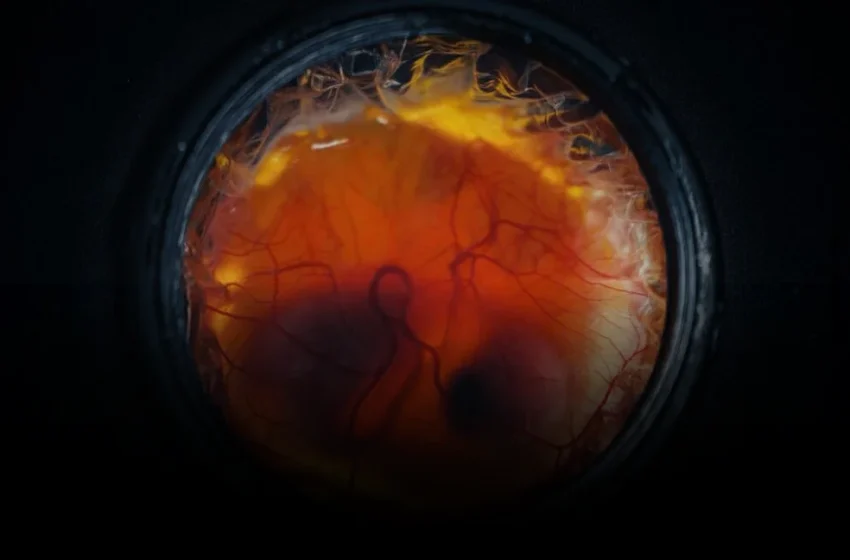
Colossal’s Controlled Hatch: A Lab Feat, Not a Leap to the Dodo
Colossal’s announcement of a viable artificial egg for chicken embryos might seem like a critical step toward de-extinction, but it inadvertently exposes the vast, often ignored chasm between a controlled lab achievement and the intractable complexities of resurrecting extinct species.
The biotech startup, known for its bold ambitions to bring back mammoths and thylacines, recently revealed a container capable of supporting avian embryonic development almost entirely outside a natural shell. Within a day or two of a chicken egg being laid, its contents can be transferred, allowing for full incubation and the eventual hatching of normal chicks.
This is a significant laboratory success, certainly for studying vertebrate development with unprecedented access. However, connecting this precise work with common chickens to the grander vision of avian de-extinction, like the dodo or passenger pigeon, requires a leap in logic that few Silicon Valley reporters seem prepared to make.
Beyond Resurrection: The Unstated Value Proposition
The true genius of this technology, and what much of the reporting misses, lies not in its speculative future, but in its immediate, overlooked applications. Imagine the implications for commercial poultry farming, potentially revolutionizing biosecurity and efficiency in a sector constantly battling disease outbreaks and environmental concerns.
Consider cellular agriculture: an artificial egg could serve as an advanced bioreactor for producing specific avian proteins or even lab-grown poultry products more effectively. This could be a game-changer for sustainable food systems, offering controlled environments for avian cell growth far removed from traditional farming’s inherent challenges.
The incentive here is clear: the de-extinction narrative, with its inherent spectacle and scientific audacity, provides a compelling, high-profile hook for venture capital and public engagement. This allows companies like Colossal to build out sophisticated biotech infrastructure and develop core technologies, which can then be quietly spun off or repurposed for less glamorous, but far more profitable, commercial ventures.
Reframing the Narrative: From Spectacle to Supply Chain
Let’s be blunt: hatching a chicken in a lab, while technically impressive, is not the same as bringing back a dodo. The dodo’s genetic material is fragmented, its gestational period and specific developmental needs are unknown, and its reintroduction into a vanished ecosystem presents insurmountable challenges.
The real innovation here isn’t a step towards dinosaurs, but a potentially disruptive technology for 21st-century food production and pharmaceutical research, deliberately obscured by a more sensational headline. This type of synthetic biology advancement offers unprecedented control over avian biology, opening doors for vaccine production, gene editing in livestock, or even novel drug discovery platforms that leverage avian developmental pathways.
While the romantic notion of resurrecting extinct species captivates the public imagination, sophisticated investors understand that the true value of technologies like Colossal’s artificial egg lies in its pragmatic potential to address existing, lucrative problems in agriculture, medicine, and research. The chickens have hatched, but the dodo remains firmly in the realm of science fiction; the money, however, might just be in the eggs themselves.
