
US Coal Ash Rollbacks Sidestep Critical RegTech Innovation and Global Precedent
- Tech
Arjun Vedanta
- 0
- 5 minutes read
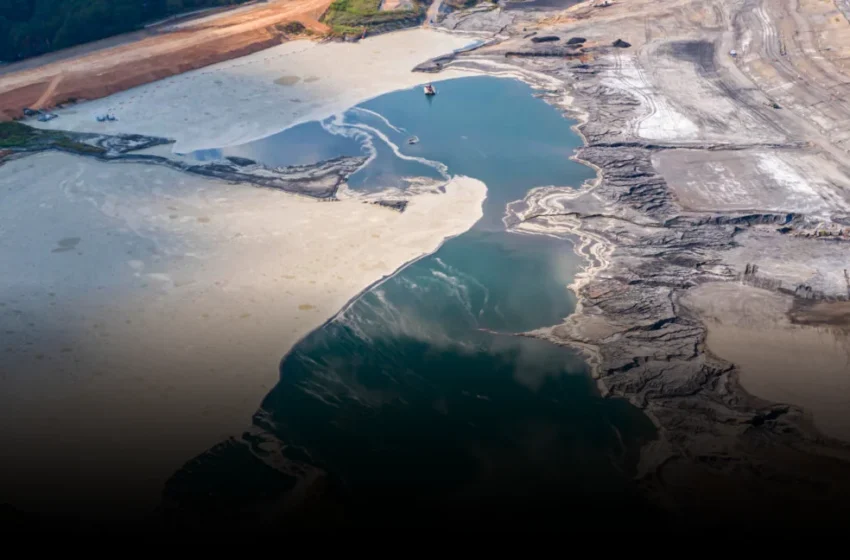
Fragmented Oversight: A Missed Tech Opportunity
The proposed shift to state-level enforcement for coal ash cleanup, spearheaded by the Trump administration and fiercely opposed by environmental groups at a recent EPA public comment hearing, is more than a policy rollback; it’s a profound abdication of technological leadership. While US-based reporters fixate on the political tug-of-war, the critical omission is the quiet sidelining of advanced environmental monitoring and regulatory technology — what we call RegTech — at a scale the United States could, and should, be championing.
The move to repeal a prior rule, which mandated monitoring at hundreds of inactive coal plant sites and aimed to tighten groundwater protections, effectively decentralizes a complex, national problem. From Geneva and Singapore, where regulatory bodies increasingly lean on data and sophisticated oversight tools, this looks less like ‘flexibility’ and more like a deliberate retreat from a modern, tech-enabled approach to industrial waste management. The argument that states are better positioned for local nuances often ignores the vast discrepancies in resources, expertise, and political will that inevitably emerge, creating a patchwork of enforcement rather than a robust, unified front.
The Unseen Data Divide in Environmental Compliance
Imagine a scenario where every single coal ash site, active or inactive, across the nation was equipped with a network of IoT sensors. These devices could continuously monitor groundwater for heavy metals, track soil pH levels, and detect leaks in real-time, feeding data into a centralized, AI-driven analytics platform. Satellite imagery, combined with machine learning, could identify changes in ground cover, water bodies, and structural integrity of ash ponds over time, offering predictive insights into potential failures long before they become catastrophic. This isn’t science fiction; this technology exists, it’s mature, and it’s being deployed in critical infrastructure and environmental management around the world.
Instead, the proposed regulatory framework, described by Earthjustice’s Lisa Evans as jeopardizing drinking water as “a favor to polluters,” allows states to potentially bypass national standards. This isn’t just about lower standards; it’s about a lower bar for verifiable, transparent data collection and accountability. In an era where every major industry, from finance to logistics, is grappling with how to leverage data for compliance and risk management, the US appears content to revert to a less auditable, less transparent system for one of its most toxic industrial byproducts.
Global Implications of a Domestic Retreat
When the Biden administration previously enacted a rule in 2024 to enhance monitoring, it signaled an intent to align the US with, and perhaps even lead, global best practices in environmental stewardship enabled by technology. Now, by reverting to a fragmented, state-centric model, the US risks sending a message that it prioritizes short-term industry interests over the long-term application of innovative solutions to environmental challenges. Other industrialized nations, particularly in Europe and parts of Asia, are actively exploring or implementing advanced environmental sensing networks and digital twins for industrial sites. They understand that robust data is the bedrock of effective regulation and public trust.
The incentive here is clear: less stringent national oversight means less cost for utilities and coal plant operators. It frames the environmental burden as a localized, variable problem rather than a systemic, national one requiring consistent, technologically advanced solutions. My skeptical observation is this: are we truly to believe that every state agency possesses the deep technical expertise, the substantial funding, and the political insulation required to effectively monitor hundreds of dispersed, complex, and potentially highly toxic sites with the same rigor and technological prowess that a national, unified approach could offer?
The True Cost of Forsaking Innovation
The consequences extend beyond immediate environmental risk. By declining to standardize and leverage RegTech for coal ash, the US loses a crucial opportunity to refine and export these technologies globally. It undermines its own software and hardware innovators in a nascent, but critical, GreenTech market. We’re not just talking about water quality here; we’re talking about the nation’s standing as an innovation leader, demonstrating how technology can solve the most intractable environmental challenges.
The policy shift signals a preference for administrative convenience over technological capability, and for localized, potentially inconsistent enforcement over a coherent, data-driven national strategy. It’s a move that doesn’t just impact American drinking water; it whispers to the world that when faced with a choice between modern tech solutions and a return to fragmented oversight, the US opted for the latter. This is not the global tech leadership we have come to expect, nor the kind the planet desperately needs.
