
The Ancient Art of Digital Decommissioning: What Iron Age Brain Removal Teaches Silicon Valley
- Artificial Intelligence
Arjun Vedanta
- 0
- 4 minutes read
The Ancient Echo of Digital Demise
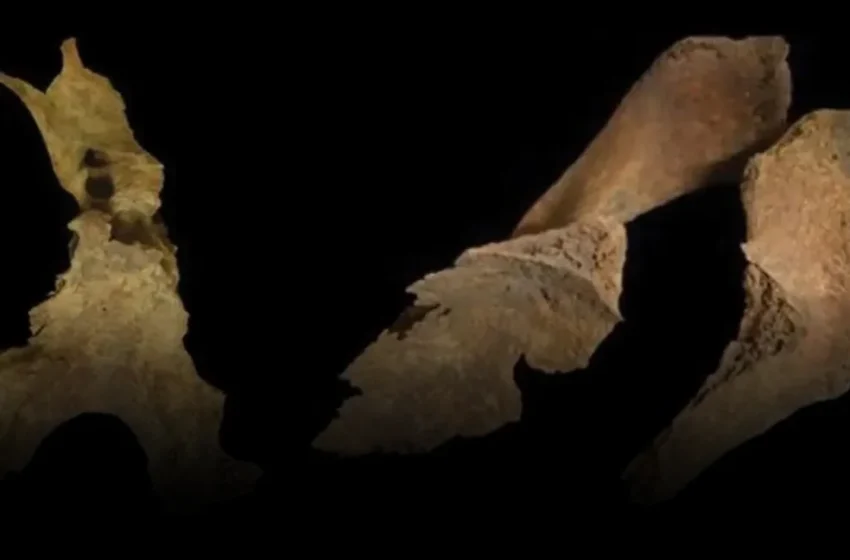
The practice of meticulously dismantling organic structures after death — extracting the brain, repurposing skeletal elements into tools — strikes most as a macabre, distant curiosity from Iron Age Scotland. Yet, as new osteoarcheological analysis published in *Antiquity* details these practices from 50 BCE to 70 CE, a stark, uncomfortable parallel emerges for the modern technology industry. Silicon Valley, fixated on relentless creation and growth, has largely ignored the dark art of decommissioning: the systematic, often messy, unwinding of digital ventures, intellectual property, and user data when companies fail or platforms obsolesce.
Consider the deliberate removal of the brain, the central processing unit of its time. In the tech realm, this translates to the controlled — or uncontrolled — eradication of core codebases, proprietary algorithms, and the vast, often sensitive, datasets that once defined a product. Just as sharpened limb bones became tools for survival in ancient times, defunct cloud infrastructure, former employees’ expertise, or even fragments of a failed product’s intellectual property are frequently repurposed, absorbed, or discarded in the scramble following a tech venture’s collapse. This cycle of digital entropy is not just an operational footnote; it is a profound, unaddressed challenge to data sovereignty and digital asset management on a global scale.
Silicon Valley’s Blind Spot: The ‘Afterlife’ of Data
The prevailing narrative in tech is one of relentless innovation, funding rounds, and IPOs. The uncomfortable truth, however, is that most startups fail, and even successful platforms eventually wane. Silicon Valley’s aversion to confronting this inevitable decline means there are rarely coherent, ethical, or even legally sound protocols for the digital ‘afterlife.’ Unlike the intentionality suggested by Iron Age funerary practices, our approach to digital remains is often haphazard, driven by legal obligation or cost-cutting rather than foresight.
For all our fetishization of ‘disruption,’ we are surprisingly bad at handling digital death. Who benefits from this systemic oversight? Often, it’s the liquidators, the acquiring entities who gain assets without inheriting a clear roadmap for data migration or destruction, or even unscrupulous actors who exploit abandoned data repositories. There’s little incentive for a founder to meticulously plan for failure when success is the only metric that matters, leaving a wake of digital debris that includes forgotten user accounts, vulnerable legacy systems, and orphaned datasets that pose significant cybersecurity risks. This lack of accountability creates a dangerous precedent that US-based reporters, often embedded within the growth-first culture, frequently overlook.
The Unseen Costs of Digital Oblivion
The archaeological evidence from Loch Borralie points to a profound cultural understanding of manipulating remnants. What does our modern tech culture reveal about its relationship with digital remnants? We see the proliferation of ‘zombie apps,’ deprecated APIs, and orphaned user data, often lingering on aging servers in various corners of the globe. This isn’t just an inconvenience; it represents a loss of historical context for digital progress, a potential goldmine for data breaches, and a growing environmental burden of e-waste from under-utilized or poorly managed cloud infrastructure.
The deliberate, purposeful acts of brain removal and bone repurposing by Iron Age Britons force us to ask if our digital end-of-life processes possess anything near that level of intention or ritual. We are building an ever-expanding digital civilization, yet we lack the equivalent of mortuary customs for its inevitable demise. Without a more mature approach to decommissioning—one that respects the integrity of data, the privacy of users, and the environmental impact of digital decay—we risk leaving behind a digital archaeological record that is less a testament to ingenuity and more a sprawling monument to our collective shortsightedness.
