
UK’s Flawed AI Border Biometrics Set a Dangerous Global Precedent
- Artificial Intelligence
Arjun Vedanta
- 0
- 4 minutes read
The Known Flaws of ‘Objective’ AI
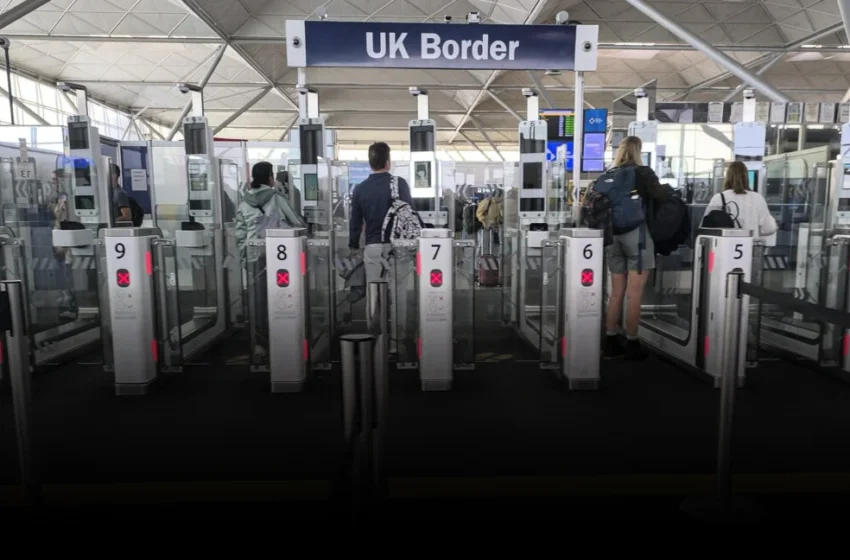
The United Kingdom is about to make a perilous wager on imperfect technology, and the stakes are human lives. Starting next year, the British government plans to deploy facial age estimation (FAE) systems to assess the age of asylum seekers arriving at its border. This isn’t merely a technological upgrade for internet-based age verification; it’s a direct intervention into fundamental human rights, occurring despite internal government reports revealing the technology’s profound and systemic flaws.
An investigation by WIRED and Lighthouse Reports, collaborating with The Independent, uncovered an internal UK government report detailing tests of these FAE systems. The findings are stark: the technology regularly mistakes children for adults and contains serious bias problems. These biases are not trivial; they directly impact the largest groups of migrants expected to undergo age assessments in 2025, according to Home Office data.
This isn’t an unforeseen technical glitch. Algorithmic bias, particularly in facial recognition systems, is a well-documented phenomenon. These systems often struggle with accuracy across diverse demographics, especially for non-white faces and different age groups. To then implement such a ‘black box’ solution, knowing its inherent weaknesses, suggests a profound disregard for the individuals caught in its algorithmic net. The true incentive here is not accuracy, but deterrence masked as data-driven efficiency.
A Global Precedent for Algorithmic Negligence
The consequences of misclassification are severe. If a child is incorrectly identified as an adult by the FAE system, they can be stripped of legal protections designed for minors and placed in adult-only detention centers. This transforms a statistical error into a traumatic human rights violation, potentially exposing vulnerable individuals to risks of exploitation and abuse within a system designed for adults.
This British initiative, believed to be the first of its kind, sets a chilling global precedent. Other nations grappling with migration flows and the perceived need for ‘tougher’ border controls will be watching. Will this embolden them to adopt similar technologies, overlooking or actively downplaying documented flaws in the name of administrative expediency or political optics? The steady creep of automated decision-making into sensitive governmental functions, especially those involving vulnerable populations and border control, represents a significant expansion of the surveillance state.
The argument for such deployments often hinges on efficiency and objectivity, framing AI as a neutral arbiter that can cut through complex human situations. The notion that an algorithm could be a neutral arbiter of age, especially across diverse populations and under duress, has always been a convenient fiction. This deployment isn’t just about age verification; it’s a profound step towards normalising biometric surveillance and automated judgment in immigration processes, diminishing human oversight and compassion where it is most needed.
The Ethical Reckoning and the Public Trust
The UK government is not proceeding in ignorance; it possesses an internal report confirming the FAE system’s inherent flaws. This isn’t an accidental oversight; it is a deliberate choice to deploy technology known to produce inaccurate, biased results with life-altering implications for asylum seekers. To intentionally deploy a system known to misclassify vulnerable individuals is not an error of technology; it is a failure of governance.
This episode highlights a critical tension in the nascent field of AI ethics: when the perceived political benefits of border control and administrative streamlining clash with proven harms and fundamental human rights, which imperative prevails? The UK, historically influential in shaping global data protection standards, now risks becoming an emblem of algorithmic negligence, prioritizing control over care.
For intelligent, skeptical readers who understand the nuances of tech, this isn’t a new frontier for innovation. It’s an old battle for human dignity being fought with new, ostensibly ‘objective’ weapons. The move erodes public trust not just in government, but in the ethical development and deployment of artificial intelligence itself. The question is no longer whether AI can be used in such contexts, but whether, given its proven imperfections, it should be, particularly when the most vulnerable pay the price.
