
OpenAI’s India Gamble: Beyond User Numbers, a Geopolitical Tech Play
- Artificial Intelligence
Arjun Vedanta
- 0
- 5 minutes read
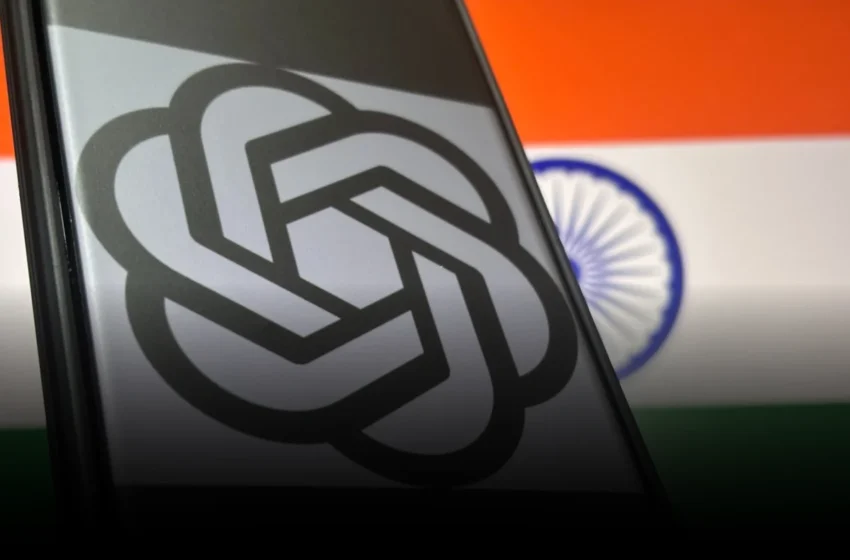
The New Colonialism of AI Talent
Another Silicon Valley tech giant is transplanting top-tier local leadership into India, not just to sell products, but to deeply entrench itself within the nation’s burgeoning digital economy. OpenAI’s appointment of Prabhjeet Singh, formerly Uber’s India and South Asia president, as its first managing director for India is not merely a high-profile hire. It’s a deliberate, strategic maneuver to operationalize its stated ambition for India to be its second-largest market after the U.S., revealing a sophisticated approach that far outstrips simple market entry.
Singh, who brings a decade of experience navigating India’s complex consumer and regulatory landscape from his tenure at Uber, is slated to join in September. His mandate extends beyond simple sales; it encompasses consumer growth, enterprise adoption, partnerships, and crucially, regulatory engagement. This isn’t just about tapping into India’s vast user base; it’s about shaping the very environment in which OpenAI will operate, a stark contrast to the often-romanticized, organic growth narratives typically emanating from Silicon Valley.
This move isn’t an isolated incident. OpenAI has been methodically building its Indian presence. Its first office in New Delhi opened last August, with Mumbai and Bengaluru locations planned. In 2024, it brought on Pragya Misra, an executive with experience at Truecaller and Meta, initially for public policy, expanding her role to head of strategy and global affairs. Rishi Jaitly, a former Twitter India head, was also onboarded as a senior adviser for government engagement. The pattern is clear: this is a land grab for influence, talent, and data, orchestrated with local power brokers.
Beyond the Billion Users: What India Represents
India presents a unique opportunity, yes, with over a billion internet users and a rapidly expanding developer base. But the significance goes deeper than sheer numbers. For OpenAI, India is a critical proving ground for a model of global expansion that deviates sharply from the established norms of platform deployment. It’s not just about getting ChatGPT into more hands; it’s about integrating AI into national infrastructure, educational systems, and corporate giants like Reliance and Tata Group, which are already listed as early partners.
The company’s ramped-up hiring for roles ranging from AI deployment engineers to developer marketing leads underscores this. They aren’t just selling a product; they are building an ecosystem, designed to be deeply intertwined with the fabric of Indian digital life. This accelerated pace of executive poaching and policy engagement, mirrored by rivals like Anthropic — which opened its Bengaluru office in late 2025 and appointed former Microsoft India MD Irina Ghose as its India head — suggests AI companies are less concerned with genuinely fostering equitable, localized AI innovation, and more with first-mover advantage and regulatory capture.
The race in India is less about who has the best algorithms and more about who can secure the most favorable regulatory frameworks, access the most diverse data sets, and integrate most seamlessly into the country’s burgeoning digital sovereignty agenda. It’s a pragmatic recognition that AI’s future will be dictated not just by technical breakthroughs, but by geopolitical leverage and strategic market penetration.
The Unspoken Playbook: Global AI and Local Power
The urgency to plant flags and cultivate government relationships stems from a profound understanding that future AI dominance will be dictated less by pure technological superiority and more by market access, data streams, and regulatory alignment in critical emerging economies. This isn’t just a business strategy; it’s a statement about the nature of global power in the AI era. Silicon Valley’s traditional approach — build it, launch it, let it scale virally — is clearly being augmented, if not outright replaced, by a more aggressive, politically savvy playbook.
We are witnessing the emergence of an AI colonialism, albeit a sophisticated one. Instead of military might or economic exploitation in the traditional sense, it’s about establishing control over the very nervous system of future societies: their data, their algorithms, and their access to advanced cognitive tools. By hiring top local talent like Singh, these companies are not merely adapting; they are co-opting local expertise to navigate and ultimately shape national digital policies to their advantage.
The global tech landscape, for decades seen as a unifier, is becoming a battleground for digital influence, and India, with its scale and strategic importance, is at the epicenter. The real story isn’t just that OpenAI is in India; it’s how they are playing the game, building influence brick by painstaking brick, executive by executive, and partnership by partnership. This is about establishing a foundational presence before local competitors can truly emerge, effectively controlling the AI adoption curve from within.
