
Apple’s App Store Fees Face Supreme Court Scrutiny: The Walled Garden’s Last Stand?
- Government & Policy
Arjun Vedanta
- 0
- 5 minutes read
The Illusion of Concession: Apple’s 27% Gambit
It is telling that Apple, a company synonymous with design elegance and user experience, views a 27 percent commission on third-party payments as a reasonable concession. The figure itself, just three points shy of its standard 30 percent App Store cut, reveals the company’s true strategy in its ongoing legal battle with Epic Games: compliance in letter, defiance in spirit. This isn’t merely about a few percentage points; it’s a global platform owner testing the outer limits of regulatory patience to preserve an outdated and deeply entrenched revenue model.
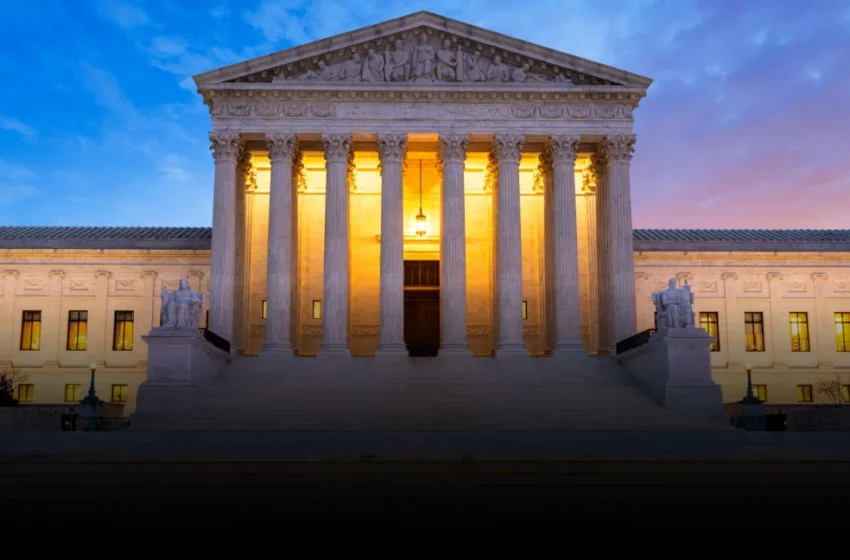
Apple is now taking its fight to the Supreme Court, seeking to reverse a contempt finding that highlighted the company’s reluctance to genuinely open its digital storefront. The original judicial order, spurred by Epic Games’ antitrust challenge, mandated that Apple allow developers to include links to alternative payment methods outside the App Store ecosystem. Apple’s response was to introduce a 27 percent commission for transactions initiated through these external links, a move the 9th Circuit found had a “prohibitive effect” on developers and violated the *spirit* of the order.
This isn’t about revenue optimization; it’s about control. Apple’s insistence on this 27% fee isn’t just about income; it’s a defiant statement that its iron grip on app distribution and monetization is non-negotiable, even when the optics are terrible and the regulatory tide is clearly turning. The margin between 30 percent and 27 percent is so narrow that it barely incentivizes developers to redesign their apps to route payments externally, effectively nullifying the court’s intent. Apple has long defended its commissions as fair payment for the security, marketing, and infrastructure it provides, but this latest maneuver exposes the cynical undercurrent of that argument.
Global Scrutiny vs. Cupertino’s Walled Garden
While this particular skirmish plays out in US courts, the broader implications resonate far beyond Silicon Valley. Regulators globally are increasingly scrutinizing the quasi-monopolistic power wielded by tech giants over their digital marketplaces. In Europe, the Digital Markets Act (DMA) is already forcing Apple, alongside other designated “gatekeepers,” to make far more substantial changes to its App Store and payment policies, including allowing completely third-party app stores and payment systems without charging a commission on those external transactions.
The contrast between Apple’s begrudging concessions in the US and the sweeping mandates it faces under the DMA is stark. It illustrates how much more aggressive European antitrust bodies have been in challenging entrenched platform economics. This global pressure suggests that Apple’s strategy of minimal compliance and maximum resistance in the US legal system is a short-term gamble at best. The company might win individual battles, but it’s losing the war for public and regulatory trust when it comes to fair competition.
The sheer tenacity with which Apple fights these battles underscores the multi-billion dollar stakes involved, and its deeply ingrained belief that every transaction, regardless of its origin, must contribute to its bottom line to justify the ‘value’ of its ecosystem. This fight is less about protecting users from scams – a common Apple refrain – and more about preserving a lucrative, anachronistic commission model that’s buckling under the weight of global regulatory scrutiny.
Beyond the Courtroom: The Future of Platform Economics
The Supreme Court’s decision, whenever it comes, will send a powerful signal about the future of platform ownership and developer relations. A ruling in Apple’s favor could embolden other platform holders to interpret regulatory orders as narrowly as possible, further entrenching the current power dynamics. Conversely, a decision that upholds the contempt finding could accelerate the shift towards more open app ecosystems, forcing platform giants to compete on innovation and services rather than relying on enforced market dominance.
For smaller developers, the outcome is critical. The prohibitive effect of even a 27 percent commission means many cannot afford to experiment with alternative payment solutions, leaving them captive to Apple’s terms. This chokes innovation and limits consumer choice, directly countering the stated goals of antitrust enforcement. The ongoing legal saga highlights a fundamental tension between platform control and fair market competition.
What’s truly at stake here is not just Apple’s App Store revenue, but the entire philosophy of digital gatekeeping. As mobile technology matures and becomes even more pervasive, the economic model dictating who profits, and how much, from every digital interaction will shape the next generation of online businesses. Apple’s current Supreme Court appeal is a desperate, rear-guard action in a battle it seems destined to lose as the world moves towards more open digital economies.
