
NASA’s Public Blue Origin Praise: A Strategic Play for Lunar Stability
- Space
Arjun Vedanta
- 0
- 4 minutes read
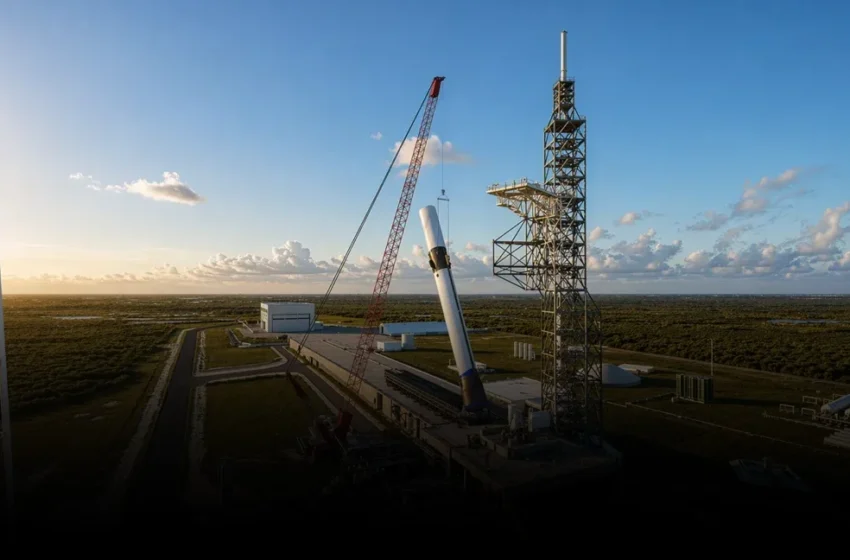
The Cleanup Spin vs. Cold Reality
The immediate spin from NASA, extolling Blue Origin’s response to its catastrophic New Glenn launch pad explosion, feels less like genuine admiration and more like a carefully orchestrated public relations lifeline. NASA Administrator Jared Isaacman declared Blue Origin’s cleanup efforts to be “almost beyond impressive,” a sentiment reportedly shared by US Space Force officials. This comes mere weeks after an anomaly during a test firing on May 28 obliterated New Glenn’s only operational launch pad, a critical piece of commercial space infrastructure.
While the diligence of any post-incident recovery is commendable, this public commendation thinly veils a far more uncomfortable truth: NASA’s ambitious lunar program, particularly its Artemis logistics and eventual human landings, just became significantly more precarious. The agency is heavily invested in Blue Origin’s Mk. 1 and Mk. 2 landers, slated to carry cargo and crew to the Moon. Without a reliable launch platform for the New Glenn rocket, these timelines—already known for their elasticity—now face potentially substantial, undisclosed delays.
The Vulnerability of Concentrated Reliance
NASA’s Administrator, Jared Isaacman, is not merely offering effusive praise; he is strategically signaling continued confidence, a crucial move to stabilize a key commercial partner whose success is now inextricably linked to the agency’s ambitious lunar logistics and human landing aspirations. This isn’t just about a damaged launch pad; it’s about the concentrated risk emerging from an increasing reliance on a single vendor for critical deep space missions. The agency’s “significant stake” in Blue Origin’s return to flight, as Isaacman notes, has effectively become a hostage situation. One company’s operational setback now directly translates to a national space program’s deferment.
For years, the promise of commercial space offered redundancy and innovation. Yet, with major lunar contracts consolidated, the very vulnerabilities NASA sought to avoid by diversifying away from purely government-run programs are re-emerging in new forms. The agency’s pivot to public-private partnerships was meant to foster a robust ecosystem of launch providers and payload specialists. Instead, we are witnessing a bottleneck where a single failure at an emerging player like Blue Origin — a company already battling a reputation for slow progress compared to competitors like SpaceX — can seize up large segments of the national lunar agenda.
What ‘Impressive’ Cleanup Really Costs
The core issue here extends beyond the immediate cleanup of blast-damaged concrete and twisted metal. It’s about the opportunity cost and the profound implications for NASA’s launch cadence and lunar payload delivery schedules. Every day New Glenn remains grounded, every week the pad is under reconstruction, pushes the Mk. 1 and Mk. 2 landers further back in the queue. This inevitably impacts subsequent missions and the broader strategic goal of establishing a sustainable lunar presence.
Skeptics might argue that the very act of NASA’s public commendation, coming just weeks after a catastrophic infrastructure failure, feels less like genuine admiration and more like a carefully orchestrated public relations lifeline, designed to shore up investor confidence rather than reflect true operational readiness. After all, the US Space Force’s involvement underscores not just the severity of the incident but the national security implications of an inhibited domestic launch capability. The narrative from NASA isn’t just about a cleanup; it’s about managing perceptions around a critical dependency that just took a very public, very literal hit.
