
Formula 1’s Algorithmic Dilemma: When Optimization Outpaces Spectacle
- Artificial Intelligence
Arjun Vedanta
- 0
- 6 minutes read
The Silent Hand of Algorithms on the Grid
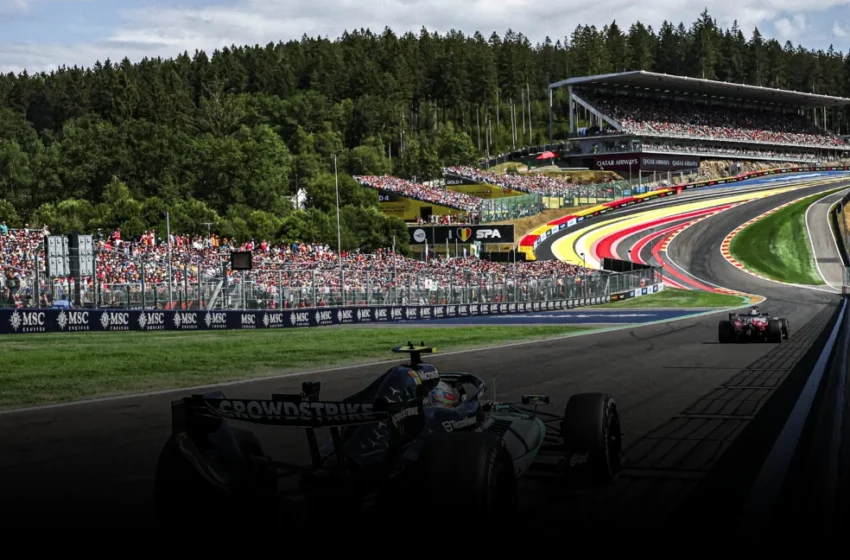
The true sound of modern Formula 1 at Spa-Francorchamps this past weekend wasn’t the traditional roar of an engine, but the quiet, relentless hum of algorithms. What played out on that iconic ribbon of Ardennes asphalt wasn’t merely a Grand Prix; it was a stark, almost painful demonstration of how deeply computational optimization has reshaped the very fabric of the sport. The sight of current F1 machinery, engineered to extremes, struggling to unleash its power on a circuit once defined by raw, untamed speed hints at a systemic shift driven by invisible code, a phenomenon far more profound than any simple design flaw.
Reports from Belgium were stark, almost clinical in their assessment of performance. The 2026 F1 battery architecture permits only a fleeting burst of electric power per lap, leaving these multi-million-euro machines delivering less sustained grunt to their rear wheels than a junior F2 car for significant stretches of the track. This isn’t just an engineering compromise; it is the meticulously calculated outcome of hyper-optimized design parameters, shaped by machine learning models trained on millions, perhaps billions, of simulation runs. These neural networks, deployed by every top team, are tasked with finding the absolute peak of performance within a labyrinthine set of regulations, pushing every component to its statistical maximum. They identify microscopic aero gains and energy recovery efficiencies, often at the expense of a car’s innate suitability for specific, unique challenges like Spa’s dramatic elevation changes, its relentless compression at Eau Rouge, or the high-speed commitment through Blanchimont.
Optimization vs. Spectacle: A Historic Clash
Why do teams invest so heavily in this computational arms race? The incentive is brutally clear: marginal gains are championship gold. In a sport where hundredths of a second separate triumph from anonymity, every constructor pours colossal resources into data analytics, computational fluid dynamics (CFD), and predictive modeling. Machine learning offers an unprecedented capacity to identify subtle efficiencies, forecast component degradation, and even simulate and strategize race outcomes with probabilistic certainty. This relentless pursuit of optimization, however, creates an ecosystem where the “ideal” car is a statistical abstraction, magnificent on a server farm, yet sometimes an awkward, ill-fitting creation for the physical world’s glorious imperfections. The regulations themselves, designed to promote competition and manage costs, inadvertently provide the complex playground where these algorithms truly shine, finding edges that human intuition, even that of legendary designers, simply cannot perceive. Silicon Valley might celebrate this as pure efficiency; on the ground, in the Ardennes, it felt like an erosion of visceral drama.
To understand the gravity of this shift, consider Spa’s storied legacy. Its first race in 1922, predating the F1 world championship by decades, offered a terrifying 9-mile loop of public roads. In the postwar era, even at 8.7 miles (14.1 km), it remained a brutal beast: average speeds nearing 240 km/h (150 mph) on a circuit notorious for its danger, demanding outright power and unyielding bravery from drivers. The cars then, though powerful for their time, were relatively simple, their designs limited by human engineering capacity and physical testing. Today, an F1 car is a mobile supercomputer, its performance dictated by predictive models that have simulated billions of laps, optimizing energy recovery, tire degradation, and aerodynamic flow down to the micrometer. This deep reliance on data-driven perfection risks sanitizing the very essence of what made tracks like Spa legendary: the raw, visceral battle between man, machine, and an untamed circuit, where unpredictable variables often dictated the narrative.
Beyond the Racetrack: F1 as an Algorithmic Bellwether
Here’s the sharpest observation, one often missed by those too close to the telemetry screens: we are witnessing the inevitable consequence of what happens when engineering, guided by machine learning, becomes too good at fulfilling narrow, quantifiable objectives within a closed, regulatory system. The result is often a highly efficient, yet paradoxically less engaging, outcome for the spectator and, arguably, the driver. The algorithms, devoid of aesthetic appreciation, historical context, or a feel for “good racing,” simply optimize for lap time under current rules. They don’t care if a car feels dynamic, facilitates thrilling overtakes at Eau Rouge, or challenges a driver’s raw skill; they care about the fastest path from point A to point B, within the given parameters. This hyper-optimization, designed to create peak performance, has ironically homogenized the driving experience and, on certain tracks, exposed a fundamental incompatibility with the sport’s dramatic legacy. The problem isn’t that the cars are slow; it’s that their performance envelope is so perfectly, algorithmically tuned to the average track that it struggles on the truly exceptional ones.
This isn’t an isolated incident confined solely to motorsport; it serves as a powerful microcosm of a broader tension playing out across industries. The friction between algorithmic efficiency and human experience echoes everywhere: from urban planning optimized for traffic flow (often at the expense of walkable neighborhoods and community vibrancy) to content algorithms designed for engagement (sometimes sacrificing nuance, depth, or factual accuracy for clickbait). The relentless drive for data-backed perfection, while undeniably delivering measurable improvements in specific metrics, can inadvertently flatten the unique textures of life and degrade the “soul” of complex human endeavors. Formula 1, with its high stakes, global audience, and public spectacle, serves as a vivid, high-speed laboratory illustrating this phenomenon: the silent, yet profound, ways technology designed for progress can sometimes erode authenticity and visceral appeal. The question for any sector isn’t whether to adopt these tools, but how to ensure they serve human values beyond mere optimization scores.
Ultimately, the challenge isn’t to abandon machine learning in F1; that would be akin to outlawing the wind tunnel or banning telemetry. Such tools are indispensable for innovation. Instead, it’s about recognizing their pervasive influence and asking what we truly want from this sophisticated dance of engineering and athleticism. If the objective is a sterile optimization contest, a pure testament to computational power, then the current trajectory is undeniably correct. But if the goal is to preserve the spectacle, the drama, and the unique character of man and machine battling against the world’s most demanding circuits, then F1’s architects, from regulatory bodies to team principals, need a significant recalibration. They must ensure that the relentless, algorithmic pursuit of speed doesn’t computationally erode the very soul of a sport that was once about heroic struggle, not just perfect data points.
