
Range Rover GT: A Luxury SUV Brand’s Existential Shift to the ‘Not-SUV’ EV
- Electric Mobility
Arjun Vedanta
- 0
- 5 minutes read
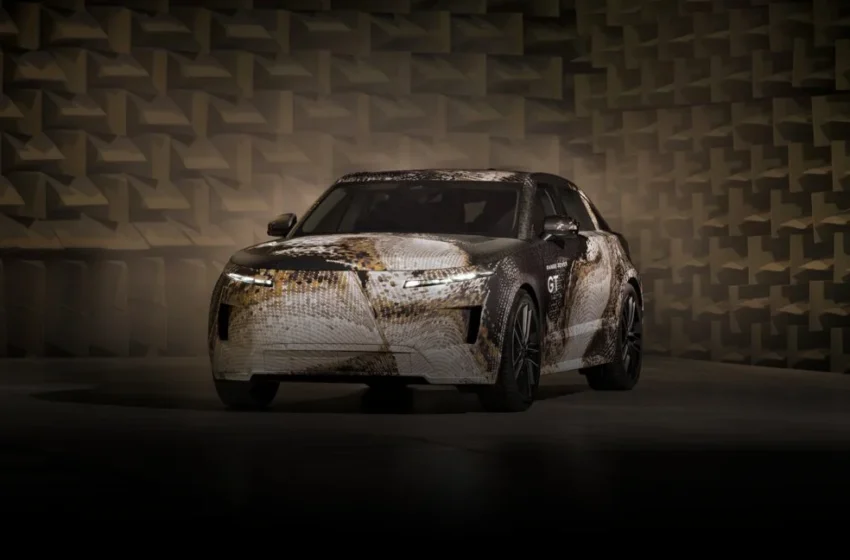
The Uncomfortable Truth of a ‘Not-SUV’ Range Rover
Range Rover, a name synonymous with rugged luxury and off-road prowess since 1970, is now building a car it specifically calls a “not-SUV.” This isn’t just a product line expansion; it’s a tectonic shift that threatens to destabilize the very brand identity that has made it a global benchmark in premium automotive segments. The new Range Rover GT, currently camouflaged and undergoing testing from the Nürburgring to the Arctic Circle, signals an uncomfortable repositioning: a legendary manufacturer attempting to redefine itself in the electric era by venturing into territory already crowded with established rivals like the Lucid Air and Porsche Taycan.
The move is a stark admission of the luxury automotive industry’s relentless drive towards electrification, yet it arrives with a palpable sense of desperation. Rather than merely adding an electric variant to its core SUV lineup, Range Rover is stepping entirely outside its well-defined segment. This strategy risks alienating a fiercely loyal customer base that expects a specific blend of capability, prestige, and utility that a traditional sedan, coupé, or ‘GT’ simply cannot deliver. The question isn’t whether Range Rover can build a beautiful electric vehicle, but whether its customers will buy a beautiful electric vehicle that isn’t, fundamentally, a Range Rover.
Chasing New Markets, Diluting Brand Equity
For decades, Range Rover’s market dominance was built on a simple, powerful promise: unparalleled luxury in an SUV form factor. The brand didn’t just participate in the luxury SUV category; it effectively defined it. Yet, the GT project represents a stark departure from this legacy, seeking to tap into the burgeoning premium electric vehicle (EV) market. This market, however, is a fiercely competitive battleground, far from the relatively uncontested luxury SUV space Range Rover once carved out.
Traditional automotive manufacturers, sensing the shift, are all scrambling. Mercedes has its EQS, Audi the e-tron GT, and BMW is pushing its i-series. These companies already possess well-established luxury sedan or performance car credentials. Range Rover, by contrast, is entering a new arena with a brand that, for all its strengths, carries the inescapable baggage of its SUV heritage. The incentive for this premature announcement of a disguised model is clear: generate early buzz, position the brand as forward-thinking in electrification, and test the waters for market acceptance. This framing allows Range Rover to claim innovation without yet revealing the full risk of the product itself, or its ultimate impact on brand perception.
The Global EV Race Beyond SUVs
The global race to electrification is forcing every automotive manufacturer to rethink its portfolio. But where companies like Porsche could logically extend their performance credentials into the Taycan, or Mercedes could leverage its luxury sedan pedigree for the EQS, Range Rover lacks this direct lineage for a non-SUV offering. This isn’t just about powertrains; it’s about fundamentally altering what the brand stands for. The fact that spy shots were initially misidentified as an electric Velar replacement — an actual SUV — speaks volumes about public expectation versus corporate ambition.
Building a high-performance luxury EV that corners well at the Nürburgring or handles extreme cold in the Arctic Circle is a technical feat. But doing so under the Range Rover badge, a name that evokes muddy fields and urban school runs with equal measure, creates a dissonance. Are the existing Range Rover owners, who value ground clearance and commanding driving positions, truly the target for a low-slung GT? Or is Range Rover hoping to poach customers from rival premium EV brands, a far more challenging proposition?
The Long-Term Bet: Is The GT a Strategic Risk or a Necessary Evolution?
This bold pivot into the luxury ‘not-SUV’ EV segment is either a stroke of genius — foresight into a future where brand identity transcends body style — or a colossal misstep that dilutes Range Rover’s hard-won brand equity. My skeptical observation is this: Range Rover’s attempt to diversify might be a symptom of a deeper insecurity about its future relevance in an electrified world, rather than a confident expansion from a position of strength. It suggests a reactive play, rather than a proactive shaping of its own future.
The legacy of a brand like Range Rover is a double-edged sword. It confers immense prestige, but also rigid expectations. The company is banking on the idea that the ‘Range Rover’ name itself is synonymous with ‘luxury’ enough to carry any vehicle, regardless of its form factor. This ignores how deeply embedded the SUV concept is within the brand’s DNA. This is not merely about launching a new model; it’s about asking if the ‘Range Rover’ experience can exist without the ‘Range Rover’ form factor. Time will tell if this bold gamble pays off, or if the GT becomes a symbol of an identity crisis for a legendary marque grappling with the demands of a rapidly changing automotive landscape.
