
Beyond the Headlines: The Uneven Rollout of Disaster Robotics
- Robotics
Arjun Vedanta
- 0
- 4 minutes read
The Allure of the Snakebot in Venezuela
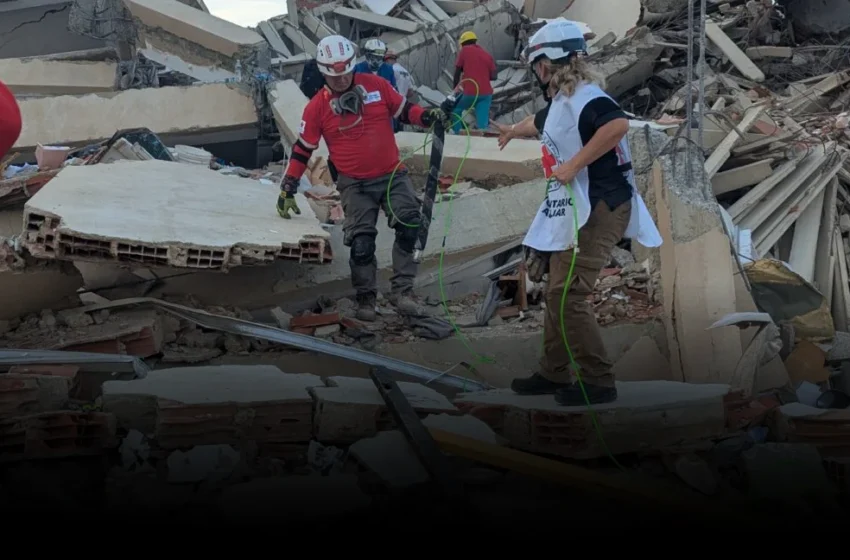
In the aftermath of Venezuela’s twin earthquakes on June 24, which claimed over 5,000 lives and injured 16,740, the deployment of snake robots made for compelling news. These highly specialized machines, designed to slither through collapsed structures, offered a glimpse into a future where technology navigates the impossible. Howie Choset, head of Carnegie Mellon University’s Biorobotics Lab, articulated their unique value: accessing volumes impenetrable to human rescuers or conventional machinery. He likened their operation to “minimally invasive surgery on a structure,” extending the visual reach into hazardous debris fields.
Yet, while the snakebots performed their niche function, penetrating tight spaces with their integrated video cameras, their presence simultaneously highlighted a stark reality: the persistent global disparity in access to cutting-edge disaster response technology. For every high-tech intervention, countless search and rescue operations worldwide still rely on trained dogs, acoustic listening devices, or basic cameras on poles. The narrative around such advanced robotics often emphasizes their potential, overshadowing the logistical and economic chasms that prevent their widespread adoption.
These high-profile deployments, often involving academic institutions or well-funded NGOs, serve as crucial proof-of-concept demonstrations. They generate headlines and invaluable field data, certainly, but it’s critical to ask: how often do these solutions truly integrate into global disaster aid infrastructure beyond a single, high-profile event?
Behind the Innovation: A Global Scramble for Readiness
The incident in Venezuela, where complex terrain and building collapse types necessitated such specialized tools, underscores the fragmented nature of international disaster preparedness. While countries like Japan and the United States have robust R&D pipelines for disaster robotics, the leap from laboratory prototype or one-off deployment to standardized, globally accessible equipment remains enormous. It’s a distinction that often eludes the casual observer, captivated by the spectacle of technology meeting tragedy.
Funding for advanced robotics tends to flow towards nations with strong technological bases and the means to invest in high-risk, high-reward research. This creates a supply-side bottleneck, where the most vulnerable regions, those frequently impacted by seismic activity or extreme weather events, are often the last to benefit from these innovations. When they do arrive, it is often through the benevolence of external aid rather than indigenous capacity.
This is not to diminish the immediate impact of the snakebots in Venezuela or the dedication of their creators. However, one must question the incentive behind such rapid, high-profile deployments: they are powerful demonstrations of institutional capability, beneficial for securing future research grants and attracting talent, thereby reinforcing the lead of existing technological hubs. The publicity surrounding such an event ensures continued investment in this particular strain of robotics, but not necessarily a broader, more equitable distribution strategy.
Bridging the Gap: Beyond Showcase Deployments
The real challenge isn’t merely inventing these tools, but ensuring they are reliably available, maintainable, and adaptable across diverse operational environments. For instance, the snakebots’ ability to navigate debris, as Choset noted, is invaluable. Yet, their operational range, battery life, resistance to contaminants, and ease of transport in an emergency zone are equally critical factors that rarely make it into initial news reports.
What happens when the academic team packs up and leaves? Is the host nation equipped to maintain, repair, and deploy such intricate systems independently? History suggests not always. This creates a dependency model rather than fostering true resilience. The 2011 Fukushima disaster, for example, saw robotics deployed, but their limitations highlighted the need for more robust, autonomous systems capable of extended operation in highly contaminated environments – lessons that are slowly being integrated into new designs.
Ultimately, while these robotic interventions are technically impressive, their real meaning lies in what they expose about the fragmented global approach to catastrophic events. Until advanced disaster robotics become as ubiquitous and interoperable as, say, satellite communication systems or basic medical supplies in international aid packages, these headline-grabbing deployments will remain remarkable exceptions rather than integrated components of a truly prepared world.
