
Windows Update: The New Conduit for Adware and Microsoft’s Unspoken Role
- Software
Arjun Vedanta
- 0
- 4 minutes read
The Trojan Horse in Windows Update
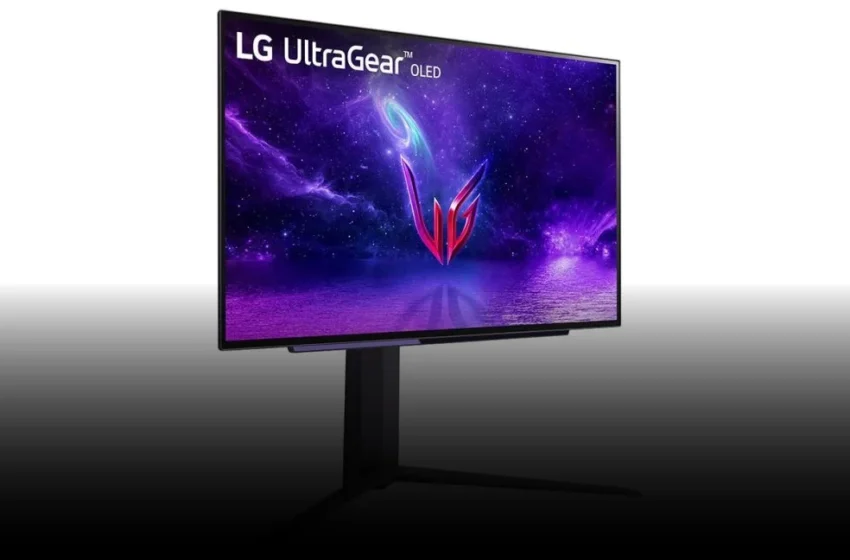
A peculiar incident involving LG monitors pushing McAfee advertisements isn’t just another tale of hardware vendors bundling bloatware. The actual shock isn’t LG’s opportunistic marketing; it’s the quiet complicity of Windows Update, which served as the distribution vector for this unwanted software.
For those keeping score, the mechanism is concerningly straightforward: an application dubbed ‘LG Monitor App Installer’ surreptitiously arrives on user systems via a seemingly innocuous Windows Update, alongside legitimate monitor driver updates. This installer then bombards users with pop-up ads for a 30-day free trial of McAfee and other software, turning system maintenance into a marketing channel.
The meticulous work by YouTube channel Gamers Nexus, where editor-in-chief Steve Burke replicated this behavior across multiple Windows 11 systems, laid bare the extent of the issue. This isn’t a browser hijack or a phishing attempt; this is a system-level installation delivered through a mechanism users are conditioned to trust implicitly for critical operating system and hardware support.
Microsoft’s Shifting Responsibilities and Eroding Trust
This incident is not merely about an individual hardware manufacturer making a questionable decision; it lays bare a critical vulnerability in the Windows Update ecosystem itself. When a software module designed purely to push ads can piggyback on a system update, it raises uncomfortable questions about Microsoft’s control and oversight of its own platform.
Why does Microsoft, the steward of Windows, permit its primary delivery mechanism for essential system updates and security patches to facilitate what amounts to thinly veiled adware distribution? LG clearly benefits from monetizing its hardware beyond the point of sale, and McAfee gains potential new subscribers. But the incentive for Microsoft to allow its critical infrastructure to be co-opted for such purposes is less clear, hinting at either a tacit agreement, a revenue share, or a disturbing lack of due diligence in vetting partner updates.
For years, we’ve endured hardware manufacturers pre-loading new PCs with bloatware, a practice consumers have learned to tolerate or immediately uninstall. However, this incident signifies a more insidious evolution: the battlefield has shifted, with hardware vendors weaponizing the OS update pipeline itself. This turns system maintenance into a fresh front for digital advertising, and Microsoft, it appears, is either passively enabling or actively condoning this practice. This isn’t merely an ‘LG problem’; it’s a symptom of a broader industry appetite for monetization strategies that override user experience and system integrity.
The Global Stakes of a Compromised Pipeline
While the initial outcry emanated from Western tech communities, the deeper implications resonate globally. For consumers outside the immediate Silicon Valley bubble, particularly in emerging markets, the practice of bundling unwanted software with hardware or drivers is far more commonplace and often accepted as a norm. This LG/Windows Update incident simply drags a pervasive, often overlooked, issue into the spotlight of a universally trusted operating system’s update mechanism.
The long-term impact on user behavior and digital literacy is significant. How are average users expected to differentiate between essential updates, security patches, and monetized add-ons when they all originate from the same seemingly trustworthy source? This blurred line fundamentally erodes the concept of system integrity and the critical importance of secure driver signing.
If left unchecked, this precedent is dangerous. It opens the door for other hardware vendors to exploit the same update pathways, further polluting the operating system with unwanted software and eroding user trust in Windows as a reliable and secure platform. Microsoft must redefine its control and responsibility over its update mechanisms, moving beyond passive enablement to active, transparent curation, if it genuinely intends to uphold user trust and the very reputation of Windows in an increasingly competitive computing landscape.
