
Google’s Selfie Login: A Faustian Bargain for Digital Identity
- Artificial Intelligence
Arjun Vedanta
- 0
- 5 minutes read
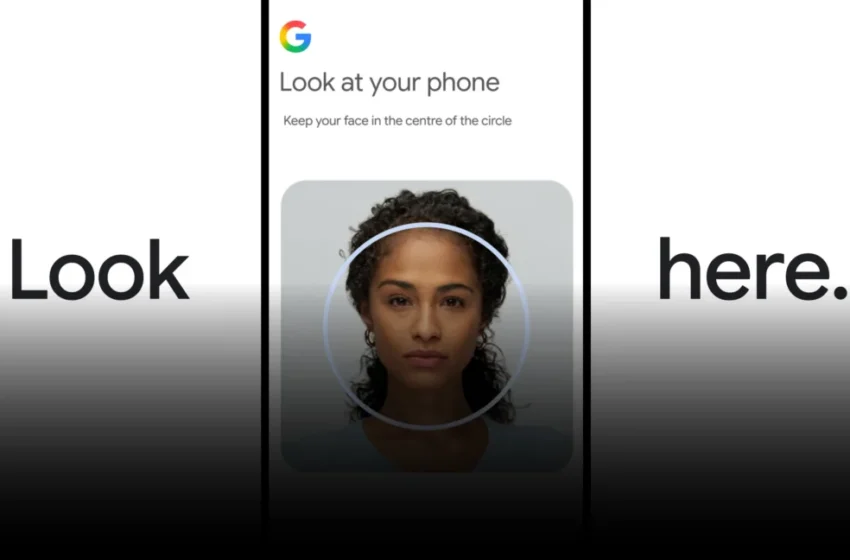
The Trojan Horse of Convenience
In the relentless pursuit of seamless user experience, Google is now offering selfie-based account recovery. Forget your password, lose an authenticator, and soon, a pre-recorded video of your face could be your digital key. This isn’t merely an incremental upgrade to recovery contacts or backup codes; it’s a significant shift, quietly ushering in a new era of biometric authentication deeply integrated into one of the world’s most ubiquitous identity management platforms. The underlying incentive is clear: reduce friction for the vast majority of users, thereby increasing engagement and reliance on Google’s ecosystem.
The initial framing, echoed in many early reports, praises this as a “convenient” solution, simplifying what can often be a frustrating experience. But convenience, especially in digital security, often masks a deeper, more complicated reality. What seems like a benign feature for forgotten credentials actually normalizes the storage of highly personal biometric data – a video record of your face – on Google’s servers. Even with promises of encryption and limited use, this centralizes a treasure trove of sensitive information, creating a single, highly attractive target for sophisticated cyberattacks and governmental requests alike.
The Illusion of Choice and Real Protection
Google has clarified that this selfie sign-in option won’t be available for Workspace accounts, child accounts, or any account enrolled in its Advanced Protection Program. On the surface, this might appear as a prudent security measure, segmenting users with higher security needs away from a potentially vulnerable system. However, this raises a crucial, contrarian observation: if biometric account recovery is truly a robust and secure method, why are Google’s most security-conscious users and its enterprise clients explicitly barred from using it?
This limitation doesn’t instill confidence; it suggests an acknowledgment of inherent risks that are deemed acceptable for the general consumer but not for those deemed ‘high value’ or ‘vulnerable’. The implicit message is that ordinary users are granted the convenience, while those who truly understand or need heightened digital security are shunted towards traditional, less ‘convenient’ methods. This bifurcation of security postures by Google effectively creates a tiered system where biometric ease is reserved for the masses, subtly downgrading their security profile in the name of usability. It’s a classic example of technology companies solving a problem for their business model (reducing support costs, increasing user stickiness) while shifting the underlying risk onto individual users.
Consider the broader implications for digital security and privacy. As more of our lives migrate online, our digital identity becomes paramount. The more fragments of this identity — from search history to location data, and now, biometric markers — converge under the purview of a single corporation, the greater the systemic risk. Data sovereignty, once a niche concern, moves into the mainstream as consumers implicitly trust a corporation with their most unique biological identifier. The promise that Google “won’t use it for any other purposes unless you opt in” carries little weight for the skeptical reader who has observed years of evolving privacy policies and data utilization practices across the tech industry.
The Unseen Global Ramifications
From a global perspective, this rollout takes on even sharper relief. While Silicon Valley reporters might frame this as an isolated product feature, the international landscape understands the implications of a dominant platform accumulating such data. In regions with less robust data protection laws or more intrusive governments, a centralized biometric database is not just a security risk; it’s a potential tool for surveillance and control. European regulators, often more hawkish on digital privacy, will undoubtedly scrutinize this development. The general data protection regulation (GDPR) in particular has strict rules around biometric data processing, requiring explicit consent and clear purposes.
The precedent set by Google here could normalize similar practices across other centralized platforms, further eroding individual control over personal data. What happens when a leak occurs, not of a password string, but of an immutable biometric identifier? Passwords can be changed; faces cannot. This is not just about logging into Google; it’s about setting a dangerous precedent for how identity verification evolves, concentrating power and risk with platforms that already hold immense sway over our digital lives. The ease of a selfie today might translate into unforeseen vulnerabilities tomorrow, solidifying Google’s role not just as a search engine or email provider, but as a de facto global biometric repository.
