
HAWK’s Withdrawal Reveals AI’s Geopolitical Hand in Quantum Crypto Race
- Artificial Intelligence
Arjun Vedanta
- 0
- 5 minutes read
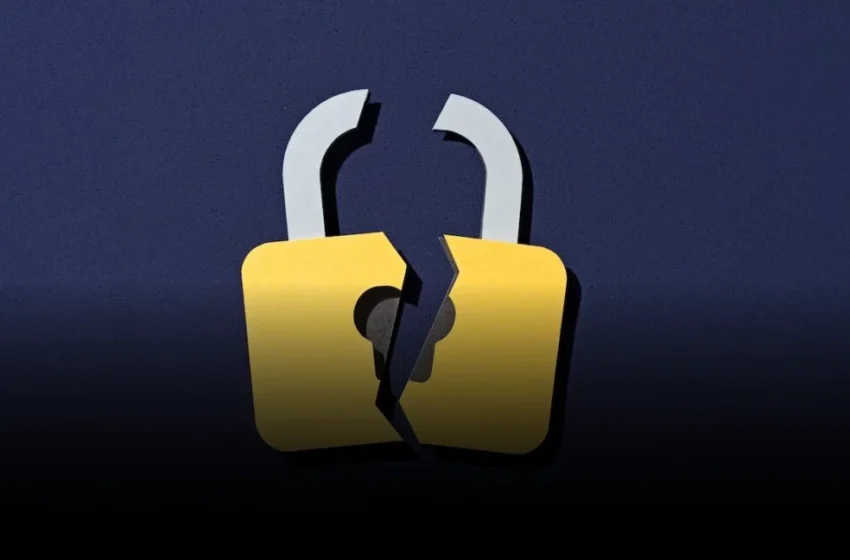
The Quiet Erosion of Digital Sovereignty
A digital signature scheme known as HAWK, designed to withstand future quantum computing assaults, has just been grounded. Its developer withdrew it from consideration as a US standard after a fundamental flaw was uncovered, not by another research team, but by Mythos, an AI model from Anthropic. This incident, easily framed as a win for AI-assisted cybersecurity, reveals something far more disquieting: the validation of global cryptographic standards is increasingly reliant on private AI capabilities, accelerating a geopolitical arms race in post-quantum security that few are discussing.
HAWK’s removal from the third and final round of NIST’s rigorous evaluation process for post-quantum cryptographic (PQC) algorithms wasn’t a minor glitch. It was a categorical break, rendering the algorithm unsound. For a program that had survived two previous rounds of intense scrutiny, its sudden demise highlights the sheer difficulty of designing cryptography that can resist both classical and theoretical quantum attacks. But more critically, it signals a quiet, yet profound, shift in the power dynamics of foundational digital security.
While Silicon Valley might celebrate Anthropic’s advanced AI as a new vanguard against cyber threats, the international implications are stark. Nations globally are pushing for robust PQC standards, understanding that future digital commerce, military communications, and critical infrastructure depend on them. When a critical flaw in a candidate algorithm is found not by a publicly funded research body or a distributed academic effort, but by a highly proprietary model developed by a private US firm, it casts a long shadow over the neutrality and accessibility of cryptographic validation.
The AI Chokepoint in Cryptographic Trust
This isn’t merely about AI finding a bug; it’s about who possesses the ultimate tools to verify our digital future. NIST’s process is designed for transparency and open review, a distributed vetting mechanism intended to build global trust. Yet, the HAWK incident suggests that even this meticulously designed framework might now depend on black-box AI capabilities. Anthropic’s Mythos model identified the flaw after a comprehensive search, performing an analysis that human cryptographers either missed or could not execute with the same speed and scale.
For non-US nations, this creates an uncomfortable dependency. If the gold standard for PQC algorithm validation increasingly resides within the closed ecosystems of a handful of US-based AI companies, what does this mean for digital sovereignty? Imagine a scenario where a critical PQC standard, adopted globally, could only be truly assured of its resilience by an AI that states or competitors cannot access, audit, or independently replicate. This creates a choke point, a single point of failure in trust that undermines the very principle of decentralized security that cryptography aims to provide.
The incentive for companies like Anthropic is clear: demonstrate the unparalleled capability of their AI models in high-stakes, real-world applications. This not only attracts top talent and investment but also positions them as indispensable players in national security dialogues. However, this framing also risks obscuring the deeper implications of such a dependency, shifting power from open-source academic collaboration to proprietary algorithms and datasets, often with undisclosed methodologies.
Accelerating the Post-Quantum Arms Race
The incident also dramatically accelerates the post-quantum arms race. The speed and efficacy with which Mythos broke HAWK demonstrate that AI is not just a tool for defensive security but also an immensely powerful weapon for offensive cryptography. What an AI can break, another AI can potentially design, or, more ominously, exploit. This shifts the goalposts for PQC designers, forcing them to contend not just with theoretical quantum computers but with AI-powered cryptanalysis today.
Consider the implications for state-sponsored actors. If a private AI model can find such a profound vulnerability, what are nation-states, pouring billions into advanced AI research, already uncovering? The traditional cat-and-mouse game between cryptographers and attackers is now being played at machine speed, with AI algorithms constantly probing and optimizing for weaknesses. The skeptical observer must wonder if HAWK was merely the first publicly confirmed casualty in a silent, AI-driven cryptographic war already underway.
The PQC standardization effort is a global undertaking, but its Achilles’ heel might be its reliance on an emergent, privately controlled technology for validation. As nations race to secure their digital futures against quantum threats, the uncomfortable truth is that the keys to this security might increasingly be held not by open, transparent standards bodies, but by the opaque, rapidly advancing capabilities of a few powerful AI developers.
