
Ford’s Le Mans Hypercar: A Legacy Play in an Electric Future
- Electric Mobility
Arjun Vedanta
- 0
- 5 minutes read
Ford’s Le Mans Return: A Legacy Play in an Electric Era
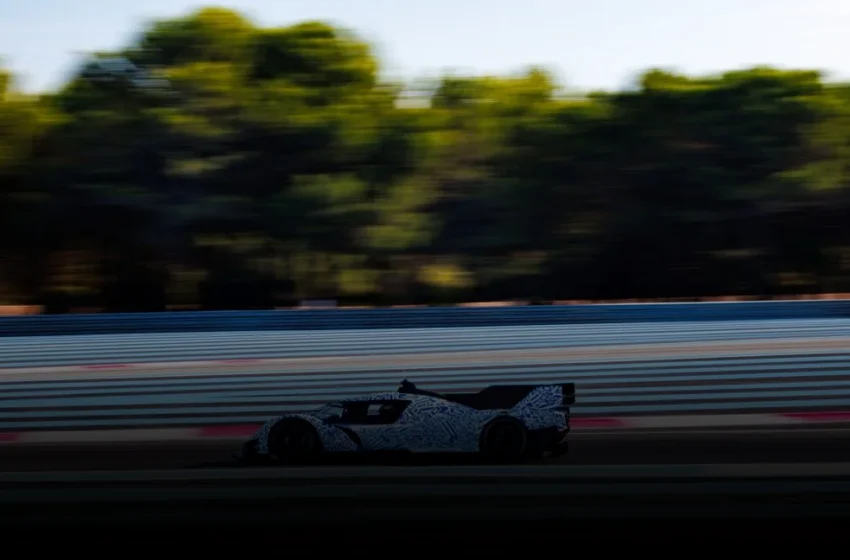
The smell of high-octane fuel and the scream of a combustion engine are increasingly anachronistic in Ford’s projected future, yet here we are. This week, Ford’s as-yet-unnamed Hypercar took to the Paul Ricard circuit, initiating its track tests for a return to overall victory at the 24 Hours of Le Mans. On the surface, it’s a compelling narrative of reclaiming past glory – a fifty-year echo of the GT40’s dominance. Beneath that familiar roar, however, lies a more complex, strategic calculation for Dearborn, one that acknowledges the widening chasm between its heritage and its mandated electric destiny.
Ford’s history at Le Mans is storied, with four overall wins, the last in 1969 with an aging GT40. A class victory followed in 2016, a half-century after its inaugural triumph. The company attempted top-level endurance racing in 1982 with the C100, a program that quickly foundered due to unreliability and lack of competitiveness. Now, the official line is that the Hypercar category’s soaring popularity has tempted the blue oval back to the top tier.
This re-entry isn’t just about chasing new silverware for the corporate display cabinet, nor solely about the thrill of competition. Frankly, the narrative of Ford ‘returning’ to Le Mans for glory feels less like a genuine sporting quest and more like a carefully orchestrated brand revival. This revival is meticulously timed to remind global consumers of a performance pedigree many now associate with yesterday’s technology. It’s a classic application of the performance halo effect, but for a brand in a fundamentally new strategic landscape.
Why High-Performance Racing Still Matters for Mass Market Brands
In an automotive industry grappling with unprecedented transformation, traditional motorsport might seem an expensive indulgence, a relic from a bygone era of internal combustion engine (ICE) supremacy. Yet, for legacy manufacturers like Ford, the World Endurance Championship (WEC) and the spectacle of Le Mans offer a crucial, if perhaps temporary, bridge. The incentive is clear: Ford is not merely chasing silverware; it’s chasing relevance, leveraging the visceral, analog thrill of endurance racing to maintain a high-performance identity even as its core business pivots aggressively towards zero-emission vehicles.
This strategic move allows Ford to speak two languages simultaneously. On one hand, it pushes forward with its aggressive electrification roadmap, introducing vehicles like the F-150 Lightning and Mustang Mach-E. On the other, it appeals to a demographic still deeply invested in the raw power and engineering prowess exemplified by extreme gasoline-powered machines. The Hypercar class, with its blend of bespoke prototypes and road-car derived models, provides a visible, high-stakes platform for showcasing engineering acumen, even if that acumen is applied to an increasingly sunsetting technology.
Other global players like Porsche, Ferrari, and Toyota are also competing in Hypercar, demonstrating a shared understanding of this balancing act. These races offer a unique blend of heritage and cutting-edge aerodynamics, a potent cocktail for brand messaging that reinforces a company’s broader brand architecture. The message: Ford can build a record-breaking electric truck and a Le Mans winner. It’s a difficult tightrope walk, but one with significant payoffs in consumer perception and loyalty, particularly in markets where the EV transition is slower.
The Strategic Paradox of Combustion in a Net-Zero World
Here lies the fundamental paradox, a tension often overlooked by those solely focused on lap times and podium finishes. Ford is investing substantial resources—money, engineering talent, marketing capital—into developing a peak internal combustion engine racing platform. This happens even as the company, like every other major OEM, publicly commits to aggressive decarbonization targets and substantial investment in electric vehicle R&D.
This isn’t just about a brand managing two product lines; it’s about navigating two entirely different technological and philosophical trajectories. The very notion of a ‘race to net-zero’ implies a decisive break from fossil fuels, yet here, a global automotive giant is pouring millions into perfecting the efficiency and power delivery of a highly advanced petrol engine. It begs the question: how does this high-profile, high-emissions motorsport activity reconcile with Ford’s stated environmental goals? Is this a carefully calculated short-term hedge, or does it signal a longer, more complicated transition away from petrol than public statements suggest?
The truth is likely a nuanced combination. The automotive industry is not a monolith, and consumer adoption of EVs varies wildly across geographies. By investing in Hypercar, Ford maintains a foot in both camps, ensuring its brand remains aspirational for traditional enthusiasts while simultaneously preparing for an electrified future. It’s a calculated risk, betting that the emotional resonance of motorsport will outweigh any potential perception of hypocrisy. For now, the roar of Ford’s new Hypercar on a French circuit serves as a potent reminder that the road to an all-electric future is paved with many detours, not all of them quiet.
