
Linkdaze’s No-Subscription Play: A Differentiator or a Dead End in Smart Home AI?
- Gadgets
Arjun Vedanta
- 0
- 4 minutes read
The Price of ‘No Subscription’ in a Connected World
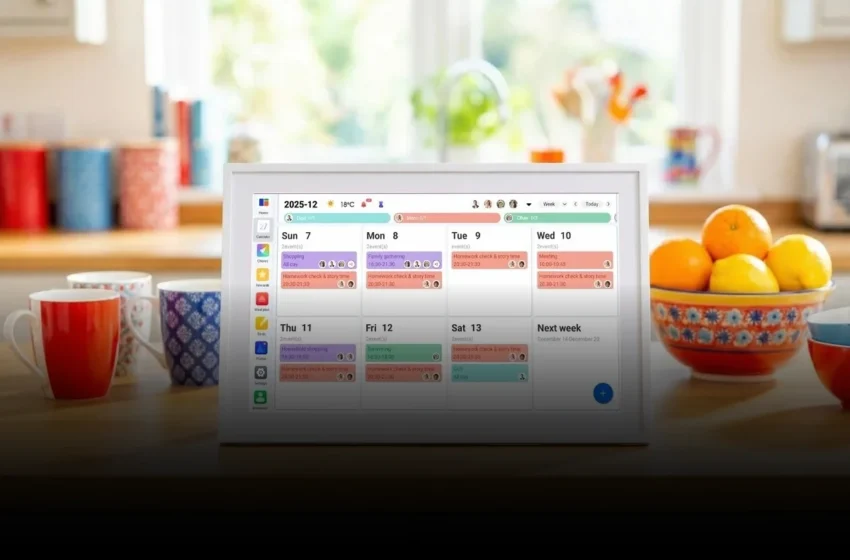
Linkdaze’s 10.1-inch smart calendar, currently discounted to an eye-catching $66 on Amazon, promises a household organizing hub without the burden of monthly fees. This stark deviation from the smart home industry’s relentless drive towards recurring revenue streams isn’t merely an interesting choice; it’s a strategic gamble that fundamentally misunderstands the economics of delivering intelligent, evolving services.
For years, the playbook for hardware companies has been clear: sell devices at near cost, or even a loss, and build a sustainable business on software subscriptions and value-added services. Competitors like Skylight exemplify this model, offering additional features for a straightforward $79 annually. Linkdaze, by contrast, seems intent on selling a finished product, a static piece of hardware in a market that demands dynamic, ever-improving intelligence.
The core issue lies in the invisible infrastructure powering features like Linkdaze’s much-touted AI meal planner with ‘Snap-to-Sync’. Optical Character Recognition (OCR), image processing, dynamic shopping list generation, and the continuous refinement of these AI models are not one-time development costs. They require ongoing cloud computing resources, data pipeline maintenance, and continuous R&D investment, all of which are typically funded by the very subscriptions Linkdaze eschews.
The Ghost of Smart Home Past and Future AI Demands
This hardware-first, subscription-averse approach feels like a ghost from the early, failed promises of smart home devices, ignoring a decade of painful lessons. The market has moved beyond simple screen functionality; consumers expect their smart devices to get smarter over time, to adapt, and to integrate seamlessly into a broader digital life. Without a dedicated, predictable revenue stream beyond initial hardware sales, how does Linkdaze plan to fund the evolution required to stay relevant?
The incentive to choose this path is likely multifaceted: a desire to stand out in a crowded smart display market, to appeal to a segment of consumers fatigued by subscription sprawl, or perhaps to simply hit an impulse-buy price point that Amazon so effectively facilitates. However, this strategy sacrifices the very fuel needed for competitive differentiation and long-term user satisfaction. It’s an unsustainable model for anything beyond a basic, dumb terminal.
Consider the global context, which Silicon Valley reporters often overlook. In regions like Europe, robust data privacy regulations and a more mature understanding of smart home ecosystems, often built on standards like Matter, mean consumers anticipate continuously updated, secure, and integrated services. A device that offers advanced AI features but lacks a clear pathway for sustained improvement will quickly be viewed as a dead-end gadget, unable to keep pace with evolving privacy standards or feature sets.
Commodity Hardware, Stagnant Software
Linkdaze’s hardware, whether the 15.6-inch or 10.1-inch model, is ultimately a commodity screen with a processor. Its value proposition hinges entirely on the software experience and its ‘smart’ features. If those features are frozen in time, unable to access updated AI models or expand integrations, the device becomes obsolete far faster than its physical components wear out.
The article praises Linkdaze for not requiring a subscription, framing it as a consumer-friendly move. This is perhaps the most contrarian observation one can make: offering a complex AI service without a sustainable business model for its maintenance and improvement is not consumer-friendly; it’s a slow path to product abandonment. It sets unrealistic expectations for ongoing innovation without the necessary financial backing.
True household coordination in 2026 demands more than static schedules. It requires dynamic adjustments, predictive assistance, and robust integration with an ever-expanding array of services. Linkdaze’s initial low price point might win some immediate sales, but it implicitly guarantees a future of stagnant software, minimal updates, and ultimately, a device relegated to the digital junk drawer as smarter, subscription-backed alternatives continue to evolve.
