
Ancient Parchment: Europe’s New Frontier for Global Biosecurity Data
- Tech
Arjun Vedanta
- 0
- 4 minutes read
Unlocking Ancient Pathogens in Historical Archives
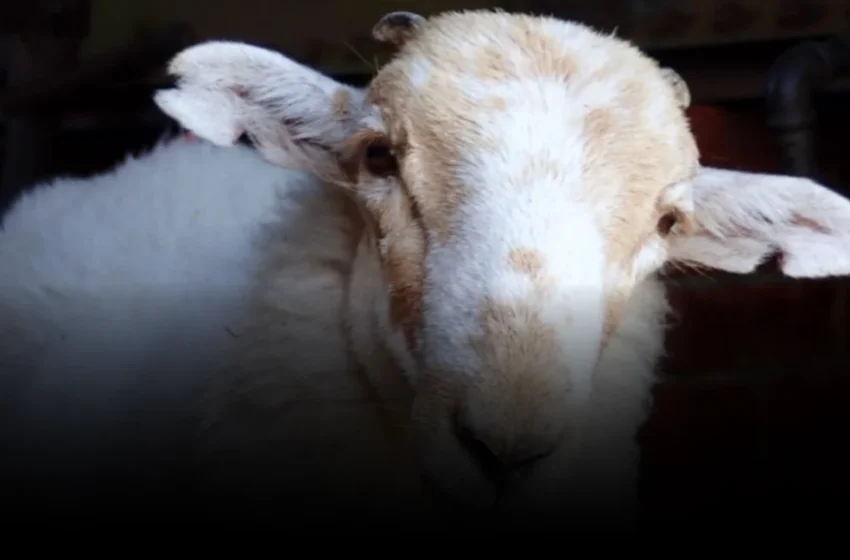
Behind the dusty silence of Europe’s ancient libraries, a different kind of data stream has just been tapped. It isn’t digitised manuscripts or forgotten historical texts; it is the very genetic code of pathogens, preserved for millennia within the parchment leaves themselves. In a recent scientific feat, researchers successfully extracted and sequenced ancient sheeppox DNA from medieval manuscripts, revealing a 3,500-year evolutionary history of a disease that still poses a threat to livestock today.
This isn’t merely an academic exercise in paleogenomics. The work, spearheaded by University College Dublin and published in Science Advances, radically redefines what constitutes a data source for global health and biosecurity. Suddenly, historical archives, once seen predominantly as cultural repositories, are recast as critical, untapped biological data banks, holding genetic records of past epidemics that could inform future pathogen surveillance strategies.
The meticulous process involved extracting genetic material from animal skins used for parchment, effectively turning each manuscript into a biological time capsule. Louis L’Hôte, a graduate student and co-author, explicitly stated, “It is possible that archives and libraries around the world also contain the genetic traces of disease outbreaks in animals in the past.” This observation, often overlooked by those fixated on Silicon Valley’s latest software iterations, hints at an entirely new dimension of data analytics, one where historical preservation meets cutting-edge biotechnology.
The Global Stakes of Paleogenomics
The implications of this research extend far beyond the history of sheeppox, a highly contagious and often fatal viral disease largely eradicated from European livestock in the 20th century. What if other, more virulent pathogens — perhaps ancient strains of human viruses — lie dormant, yet perfectly preserved, within these vast collections? The discovery suggests an unparalleled opportunity to trace the lineage and evolution of diseases that shaped human and animal populations over millennia.
Roman accounts of ‘pustules’ in livestock in the 1st century CE, followed by more frequent medieval mentions of ‘pockes’ and ‘variola’ in France, Spain, and England, now gain a new, biological specificity. By linking historical texts with genetic evidence, scientists can build incredibly detailed epidemiological maps spanning thousands of years. This data provides crucial context for understanding current outbreaks, such as the sheeppox affliction in Greece last year, or anticipating the emergence of novel strains.
Yet, this astounding leap also raises an uncomfortable question: are we merely documenting history, or are we inadvertently establishing a distributed, global library of dormant biological threats, just waiting for more advanced sequencing techniques to potentially reactivate or weaponize them? The ethical considerations of probing ancient pathogens, even benign ones, require robust international frameworks for responsible research and data handling, a discussion barely beginning within the broader tech and science communities.
A New Urgency for Digital Archival Science
The timing is hardly coincidental. In a post-pandemic world, where the specter of novel pathogens looms large, the impetus to understand disease evolution and preempt future outbreaks has become a primary driver for scientific funding. This research, therefore, isn’t just about academic curiosity; it’s a direct response to a global biosecurity mandate, promising insights that could inform vaccine development and public health strategies, thereby attracting significant capital to what was once purely historical inquiry.
For centuries, the primary goal of archival science has been textual and cultural preservation. Now, suddenly, these institutions find themselves on the front lines of public health, holding silent evidence of past biological wars. This paradigm shift demands new protocols for handling, cataloging, and digitizing these biological data troves. It requires a convergence of disciplines: librarians and archivists must collaborate with geneticists, epidemiologists, and bioinformaticians to unlock the full potential of these historical materials.
The integration of advanced genomics with historical study represents a quiet, yet profound, revolution. While Silicon Valley remains fixated on AI models and metaverse fantasies, the real, tangible impact of technology is unfolding in unexpected places — deep within the layers of ancient parchment. This is not just about tracing sheeppox; it’s about redefining our understanding of history, health, and how the past can still offer vital intelligence for the future.
