
RFK Jr.’s USPSTF Appointments: The Subtle Erosion of Scientific Authority in Public Health
- Government & Policy
Arjun Vedanta
- 0
- 5 minutes read
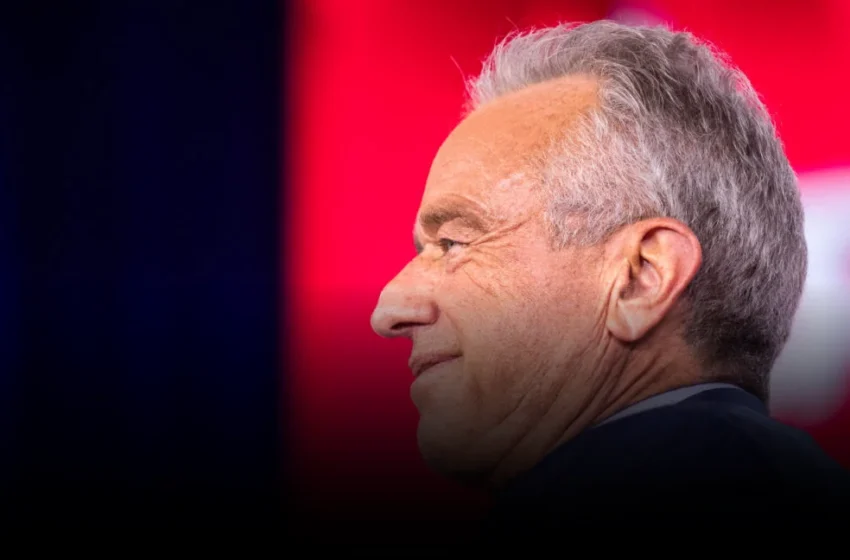
The Architected Disintegration of Trust
The real danger isn’t merely that Robert F. Kennedy Jr. has appointed eight new members to the US Preventive Services Task Force; it’s the insidious precedent this move establishes for the integrity of public health institutions. This isn’t a typical administrative reshuffle. The USPSTF, a 16-person federal body, holds a profound, almost infrastructural, power: its graded recommendations on preventive services — from mammograms to depression screenings — directly dictate what health insurance providers are legally required to cover at no cost. Its scientific independence is not a luxury, but a core component of its utility.
For over a year, RFK Jr., as Health Secretary, deliberately sidelined the USPSTF, cancelling meetings and stonewalling new appointments as terms expired. The May firing of two key leaders only intensified fears. This pattern of executive action, coupled with his prior stacking of a vaccine advisory committee at the Centers for Disease Control and Prevention, telegraphs a clear intent. The core news is not just the appointments, but the method: a systematic debilitation of a critical evidence-based body before its reconstitution. This isn’t mere administrative oversight; it’s a strategic dismantling of institutional checks.
When Evidence Becomes a Political Construct
From a global vantage, what makes the US approach to bodies like the USPSTF particularly vulnerable is its unique blend of decentralized healthcare and highly centralized policy influence. Other nations, from the UK’s NICE to similar European agencies, operate within frameworks that, while imperfect, often prioritize a more insulated process for establishing clinical guidelines. When RFK Jr. names eight new members to a 16-person federal task force, the implication is not necessarily that these individuals are overtly unqualified or ideologically extreme in every instance. The far more consequential outcome is the perception, from both medical professionals and the public, that the body’s recommendations are now susceptible to political influence, however subtle.
The incentive for an administration to perform such an overhaul is clear: by reshaping the composition of the USPSTF, Kennedy Jr. can subtly shift the institutional consensus on what constitutes “evidence-based” public health policy without having to directly legislate or openly contradict scientific findings. It’s an elegant, if chilling, maneuver to bend the definition of scientific rigor to fit a predetermined ideological agenda. The skeptical observer understands that the very notion of a body remaining “scientifically independent” when its composition is visibly manipulated by an executive with a documented anti-science stance is a political fiction designed to paper over a structural rot. It signals that even the most robust scientific processes can be weaponized by careful procedural subversion.
Consider the ripple effect. The USPSTF’s A or B grade recommendations guarantee widespread, no-cost access to crucial preventative care. If public trust in the neutrality of these grades erodes, citizens may become less likely to engage with screenings or treatments, leading to measurable declines in public health outcomes. This phenomenon isn’t new; we’ve seen how distrust in institutions, fueled by politically motivated narratives, has impacted vaccination rates globally, exacerbating preventable disease outbreaks. The long-term damage to public health isn’t from a single bad recommendation, but from the systemic breakdown of confidence in the process itself.
The Global Ramifications of Domestic Disbelief
The US healthcare system, despite its complexities, often serves as a significant bellwether for health policy and technological adoption worldwide. When a foundational body for preventive care like the USPSTF faces such direct political interference, it sends a clear signal beyond American borders. International observers, keenly aware of the intricate dance between scientific integrity and political will, will note this as a weakening of the very mechanisms designed to safeguard public health against partisan whims.
This isn’t merely about tech companies developing new diagnostic tools or digital health platforms; it’s about whether the foundational policies that determine their widespread adoption and efficacy can withstand political pressure. The broader context of digital health infrastructure relies heavily on the credibility of expert bodies that define standards and best practices. If a core policy-setting entity like the USPSTF loses its reputation for pure evidence-based decision-making, it creates a vacuum where misinformation can thrive, directly impacting public adherence to critical health advice, from managing chronic conditions to embracing new preventative technologies.
The battle over the USPSTF appointments is less about specific policy changes right now, and more about who gets to define scientific truth in the realm of public health. This is a battle over institutional capture, a move that aims to redefine the very parameters of legitimate scientific inquiry within the American healthcare system. The implications for public trust, health outcomes, and the global perception of US scientific leadership are profound and long-lasting.
