
Alpha-Gal Allergy: The Silent Epidemic Exposing Public Health Gaps
- Tech
Arjun Vedanta
- 0
- 4 minutes read
The Chasm Between Risk and Reality
Thirty percent. That’s the staggering proportion of people in some U.S. regions now found to carry the alpha-gal antibody, a biological marker for a potentially life-threatening red meat allergy. This isn’t a minor uptick; it’s a colossal leap from the 0.14 percent of the U.S. population—roughly 450,000 individuals—previously estimated to suffer from the allergy itself. This new data, gleaned from blood donations and highlighted in the Centers for Disease Control and Prevention’s Morbidity and Mortality Weekly Report, doesn’t just suggest more people are at risk; it reveals a profound and dangerous chasm between public health awareness and a burgeoning environmental health crisis.
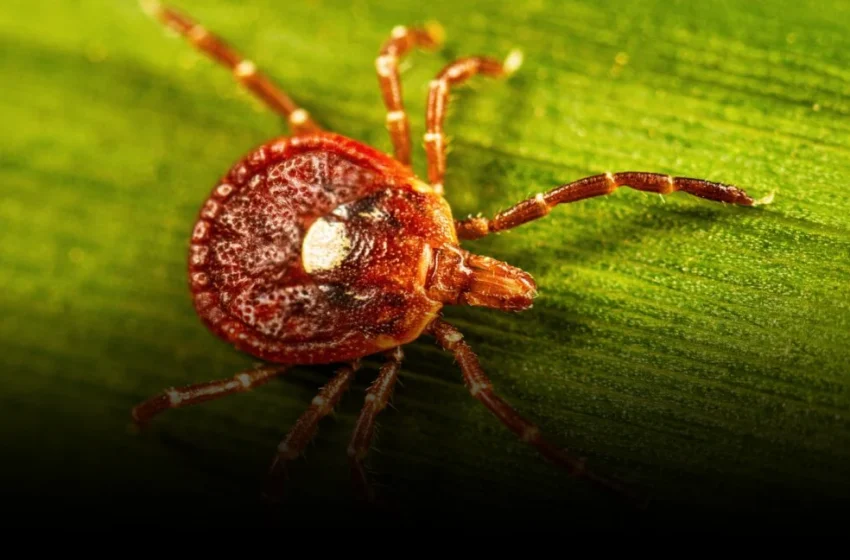
The central argument here is simple, yet alarming: the sheer prevalence of alpha-gal sensitization, particularly from the lone star tick (Amblyomma americanum), starkly contrasts with the number of diagnosed cases. This disconnect points to a systemic failure to adequately diagnose, track, and understand a condition that doesn’t fit neatly into traditional medical paradigms. We are witnessing an emergent threat scale that our existing frameworks are simply not equipped to handle, leaving millions potentially unaware of a severe, diet-triggered immunological response.
Why We’re Missing the Diagnosis
The alpha-gal allergy is an anomaly, a response where the body’s IgE antibodies target a specific sugar molecule, galactose-α-1,3-galactose, found in nonprimate mammalian products like red meat, dairy, and gelatin. Unlike most food allergies, its onset is typically delayed, often hours after consumption, making a direct causal link harder to establish for both patients and clinicians. This unique characteristic, combined with a general lack of physician awareness, creates a significant diagnostic bottleneck.
Consider the incentive: medical systems are designed to identify and treat established conditions with clear diagnostic pathways. An allergy triggered by a tick bite, manifesting hours after eating a hamburger, sits awkwardly outside this model. The CDC’s decision to publish these figures, even in the absence of a comprehensive diagnostic solution, underscores a critical motivation: to force a higher level of awareness. It’s an implicit acknowledgment that the problem has outgrown its niche status, demanding more resources for both epidemiological tracking and the development of robust diagnostic tools that go beyond mere antibody detection to assess clinical reactivity.
Beyond the Plate: A Shifting Ecosystem
This isn’t just a story about food allergies; it’s a harbinger of wider ecological disruption. The geographic expansion of the lone star tick, fueled by climate change and altered wildlife populations, means more human-tick encounters. This expanding vector-borne threat is creating a new category of environmental health issues that blurs the lines between infectious disease and immunological response.
The data from the Morbidity and Mortality Weekly Report isn’t just a statistic; it’s a bellwether. The fact that up to 30 percent of people in some areas carry the antibody suggests an epidemic of sensitization that could, at any moment, translate into a wave of clinical allergy cases. To frame this as merely a ‘red meat problem’ is to miss the profound implications for public health surveillance, food supply chains, and emergency medical services grappling with an allergy that mimics other conditions while presenting its own unique dangers.
The Unseen Public Health Burden
The true burden of alpha-gal allergy extends far beyond the individual’s dietary restrictions. There are significant societal costs: lost productivity from illness, the psychological toll of managing a severe allergy, and the strain on healthcare systems unprepared for its presentation. The lack of understanding creates a feedback loop: undiagnosed individuals continue to consume triggers, experiencing potentially severe reactions, while medical professionals struggle to identify the root cause.
What is most unsettling is the implication that our public health infrastructure, designed for clear-cut pathogens and well-understood environmental toxins, struggles with these novel, insidious threats. The sheer volume of undetected sensitization means that alpha-gal allergy is not merely an emerging concern; it is a silent, burgeoning crisis of public health. Until we acknowledge the profound analytical gap between antibody prevalence and clinical diagnosis, and invest accordingly in research and awareness, millions will remain unknowingly vulnerable to a bite that changes their relationship with food forever.
