
Amazon Kills Fire Stick Sideloading: The Real Play for Ecosystem Control
- Tech
Arjun Vedanta
- 0
- 5 minutes read
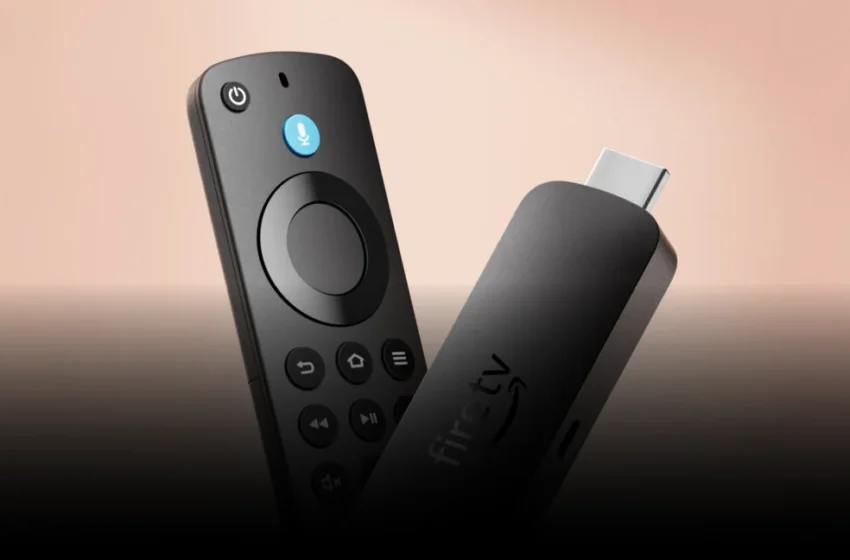
Amazon’s Vega OS: A Walled Garden in Disguise
Amazon’s declaration that it is ending sideloading support on its newest Fire Stick models due to malware concerns isn’t a defensive security measure; it’s a strategic corporate maneuver disguised as one. The shift from the Android-based Fire OS to a proprietary, Linux-based Vega OS, explicitly designed without sideloading capabilities, fundamentally alters the device’s utility for anyone beyond Amazon’s tightly curated content offerings. This seemingly technical change represents a significant philosophical pivot for a company that once thrived on leveraging open-source foundations.
The company now cites the threat of malware, often distributed through third-party apps associated with streaming piracy, as the primary justification for this decision. While malware is indeed a persistent threat in any open ecosystem, Amazon’s convenient pivot to a closed system effectively strangles a vibrant — if sometimes illicit — market that benefited a segment of users more than the company publicly admits. This move isn’t just about protecting users; it’s about reasserting platform control.
For years, Fire Sticks running Fire OS, an Android fork built on the Android Open Source Project, allowed “tinkerers” to install applications from outside Amazon’s official Appstore, including the Google Play Store. This capability extended the functionality of inexpensive devices, transforming them into versatile media hubs capable of running niche apps, VPNs, or even emulators. It offered a degree of user freedom that made Amazon’s hardware surprisingly popular among those seeking flexibility beyond a standard streaming box.
The True Cost of Content Control
The rationale offered by Amazon—malware prevention and combating piracy—presents a convenient narrative, but it glosses over the deeper economic incentives at play. This announcement, timed with the release of two Vega OS-based devices, is a clear signal that Amazon intends to exert tighter control over its device users’ content consumption, pushing them exclusively towards its own Appstore and Prime Video subscriptions to maximize lifetime value and prevent content leakage to rival platforms. This isn’t just about security theater; it’s about optimizing content monetization.
By preventing sideloading, Amazon effectively eliminates competition from alternative app stores and limits access to services that might not directly benefit its own ecosystem. Users are now confined to Amazon’s Appstore, where every app, every subscription, and every purchase is a potential revenue stream for the company. This strategy echoes Apple’s highly successful, yet oft-criticized, walled garden approach, ensuring that Amazon captures a larger slice of the digital content economy. The shift is less about protecting customers from bad actors and more about protecting Amazon’s bottom line from competitive erosion.
Consider the broader context of media consumption. Streaming services are fragmenting, with every major studio and broadcaster launching its own platform. Amazon, through Prime Video and its broader content offerings, is a significant player in this landscape. Allowing unrestricted sideloading meant users could easily access competitors’ content through unofficial means or even sideload apps that circumvented geo-restrictions on legitimate services. This level of unfettered access fundamentally undermined Amazon’s efforts in digital rights management and its ability to negotiate exclusive content deals, which are crucial for subscriber retention.
Beyond Malware: A Retreat from Open Source Ideals
The migration from Android AOSP to Vega OS also signifies a strategic retreat from the open-source underpinnings that often benefit hardware manufacturers. While Fire OS was proprietary, its foundation in Android allowed for a vast developer community and a wealth of existing applications that could be easily ported. Vega OS, being a custom Linux-based operating system, offers Amazon complete control over its stack, from the kernel up, but at the cost of community support and the inherent flexibility of a more open platform.
This move is not unique. Google itself has gradually tightened its grip on Android, making it harder for manufacturers to diverge significantly from its vision without losing access to crucial services. Amazon’s decision, however, is a more aggressive break, explicitly sacrificing a degree of user choice for a more predictable and controllable proprietary ecosystem. The underlying implication is that the utility derived from open-ended customization, even if it sometimes led to piracy, no longer outweighs the strategic benefits of a locked-down platform.
For consumers, this means future Fire Sticks will be simpler, more secure in Amazon’s definition, but significantly less versatile. The choice between a cheap, adaptable device and a more controlled, content-centric experience has been made for them. In an era where tech companies increasingly seek to define the entire user journey, Amazon’s Vega OS is a stark reminder that convenience often comes at the price of true freedom and adaptability.
