
Amazon’s AI Energy Crisis: Why Pecos County Re-writes Tech’s Climate Pledges
- AI Infrastructure
Arjun Vedanta
- 0
- 4 minutes read
The Price of Progress: A Carbon Reckoning
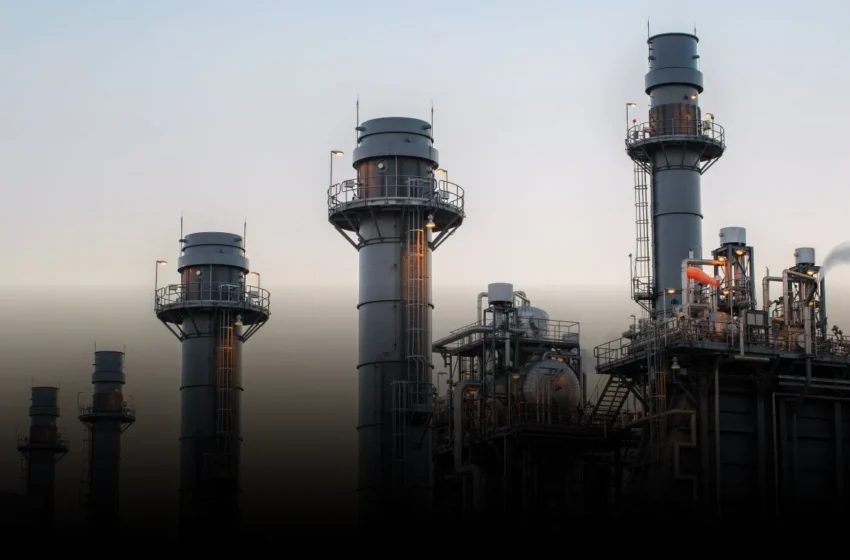
Thirty-three million tons of carbon dioxide. That’s the staggering annual output projected for Amazon’s planned natural gas power plant in Pecos County, Texas, built to fuel a new data center. If realized, this single facility would eclipse every other power plant in the United States as the nation’s largest climate polluter. This isn’t merely an environmental footnote; it’s a stark, unambiguous repudiation of the tech industry’s increasingly threadbare climate commitments, a blueprint for how the insatiable demands of artificial intelligence are being met with regressive, carbon-intensive solutions.
For years, companies like Amazon have paraded ambitious net-zero targets, pledging to eliminate their carbon emissions by 2040. Yet, the company’s emissions climbed 16% last year, a trajectory entirely at odds with its public promises. This Pecos County initiative is the logical, albeit damning, extension of that trend. It’s an open acknowledgement that the pursuit of AI dominance, with its vast computational and energy requirements, now takes precedence over environmental responsibility, establishing a dangerous precedent far beyond Texas.
The Global Echo of Pecos County’s Smoke
Silicon Valley often operates with a myopic focus, but the implications of Amazon’s move will resonate from data centers in Dublin to Singapore. When a global titan like Amazon, a co-founder of the Climate Pledge, explicitly greenlights an on-site natural gas plant of this magnitude, it sends a clear signal to every developing economy and tech company worldwide: sustainable energy is negotiable when AI scale is on the line. This isn’t merely about meeting local energy needs; it’s about formalizing a global industry standard where major players overtly prioritize cheap, dirty energy over their public climate pledges.
The company spokesperson’s assertion that “The world looks different now than when we co-founded the climate pledge” is a revealing admission. It’s not a change of heart; it’s a recalibration of priorities driven by market pressures and the urgent race for AI supremacy. The incentive is clear: massive investment in AI requires massive, consistent, and affordable power. Natural gas, for now, provides that reliability at a cost hyperscalers seem unwilling or unable to avoid, regardless of the environmental cost or the performative sustainability claims made just a few years prior.
Beyond the PR Spin: Examining Tech’s Energy Dilemma
This situation highlights a fundamental tension the tech industry refuses to fully confront: the energy-intensive nature of cutting-edge computing. Data centers already face growing political opposition globally for their strain on local electricity grids and rising costs for residents. By building its own generation, Amazon claims it “won’t raise electricity costs for Texas families.” This framing sidesteps the greater burden of increased planetary heating, shifting the accountability for infrastructure strain from local grids to global ecosystems.
It’s a marvel of modern PR to frame a move that could make you the nation’s biggest climate polluter as a community benefit. What’s truly happening is a systemic entrenchment of fossil fuel infrastructure to support the next generation of digital infrastructure. The industry’s venture capital arms are still enthusiastically funding AI startups, as evidenced by the consistent investment flow, yet the underlying power demands are increasingly being met by the very energy sources the world is trying to phase out. This is not about innovative energy solutions; it is about expediency, and the global north’s tech giants demonstrating that environmental pledges are conveniently flexible when profit and market dominance are at stake.
We need to ask why tech leaders, with their vast capital and vaunted innovation, are not investing as aggressively in genuinely scalable, clean energy solutions for their colossal data center footprint. The answer lies in risk and timeline: building a new gas plant is faster and more predictable than deploying vast solar farms or advanced geothermal systems on the necessary scale. This short-term thinking risks long-term ecological disaster, exporting a profoundly irresponsible energy model to an increasingly interconnected global technology landscape.
