
AMD’s Ryzen 5800X3D Re-Release: A Confession About Today’s Upgrade Cycle
- Tech
Arjun Vedanta
- 0
- 5 minutes read
The Unspoken Truth About PC Upgrades in 2024
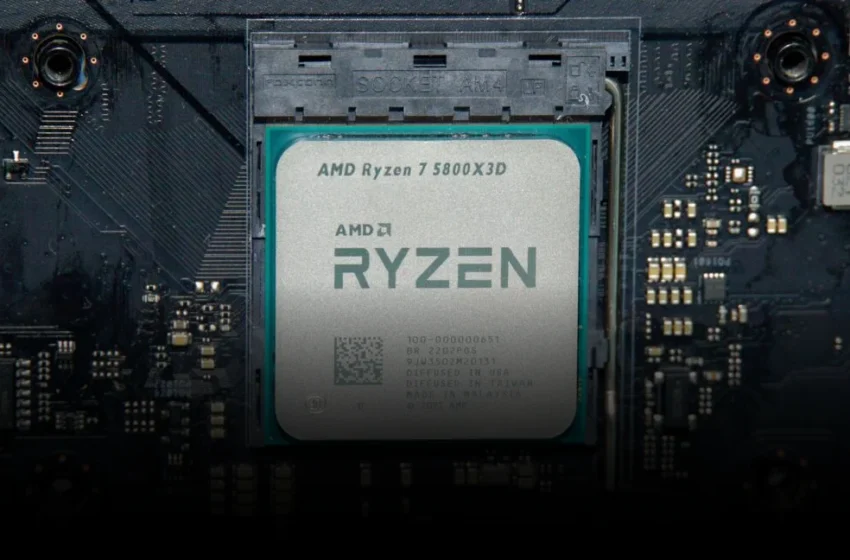
The quiet re-emergence of a four-year-old processor model speaks volumes about the current state of the PC hardware market, more than any glossy keynote ever could. AMD, it seems, is preparing to bring back the Ryzen 7 5800X3D as a “10th Anniversary Edition,” a move that at first glance appears nostalgic, but upon closer inspection reveals a stark truth about consumer reluctance and industry stagnation. This isn’t just about offering another chip; it’s a pragmatic admission that the value proposition for cutting-edge hardware has fundamentally shifted.
For years, the relentless march of silicon meant that a new generation of CPUs offered compelling reasons to upgrade, often dictating a complete platform overhaul. Yet, here we are in 2024, discussing the re-release of a CPU from AMD’s Zen 3 architecture, first seen four years ago. The original Ryzen 7 5800X3D was celebrated for its innovative 3D V-Cache technology, stacking an additional 64MB of L3 cache directly onto the die, bringing the total to a significant 96MB. This design delivered a disproportionate gaming performance boost, often rivaling newer generations at a lower cost, a fact lost on many Silicon Valley analysts fixated only on the latest MHz and core counts.
What few mainstream reports acknowledge is the broader economic backdrop: a tightening squeeze on consumer budgets and inflated semiconductor pricing. The current market is defined by elevated RAM and storage chip costs, making any significant PC upgrade a costly endeavor. Furthermore, the industry’s shift to DDR5 memory, seen in both Intel’s LGA1700 and AMD’s AM5 platforms, forces many users with existing DDR4 kits into an expensive, mandatory memory upgrade alongside a new motherboard and CPU. Perhaps the greatest trick the industry ever played was convincing us that incremental performance gains were worth an entirely new platform.
AM4’s Extended Life: A Calculated Bet on Value
AMD’s decision, hinted at by leaks from outlets like Tom’s Hardware, to re-circulate the 5800X3D as a “10th Anniversary Edition” is not a sign of innovation, but a shrewd tactical play. This strategic re-release is less a celebration of AMD’s past and more a calculated move to capture market share from consumers stalled by high costs and diminishing returns on new platforms. It allows existing Socket AM4 motherboard owners, who might be running older Ryzen CPUs like a 3000-series or even a vanilla 5800X, to achieve a substantial gaming performance boost without the prohibitive cost of a full AM5 platform upgrade.
This move extends the platform longevity of AM4, a socket that has served users remarkably well for many years, bridging multiple CPU generations. It is a tacit acknowledgment that for a significant segment of the market, the performance uplifts offered by Zen 4 or Intel’s 14th-gen chips simply do not justify the dramatically higher bill of materials for a complete system refresh. For the budget-conscious gamer, a 5800X3D upgrade represents a far more palatable path to extend the life of their current PC and its DDR4 memory.
The incentive for AMD is clear: maintain mindshare and revenue streams in a challenging economic climate. By providing a compelling, cost-effective upgrade path, AMD reinforces its brand loyalty and ensures that users who might otherwise defer an upgrade indefinitely or switch to a competitor’s older-generation products remain within the AMD ecosystem. This is about sustaining a robust consumer sentiment for value, rather than merely pushing the bleeding edge.
Beyond Silicon Valley: What This Means for Global Consumers
Outside the tech bubbles of California, where every new iteration is lauded as a “game changer,” the practicality of hardware investments takes precedence. International markets, particularly in emerging economies, are highly sensitive to price-to-performance ratios and total cost of ownership. The 5800X3D re-release resonates deeply with this global reality, offering a tangible upgrade without requiring a mortgage refinancing.
This strategy implicitly critiques the prevailing narrative of forced obsolescence. It suggests that, for many common workloads—especially gaming—the gains from Zen 4 or Intel’s latest offerings over a highly optimized Zen 3 chip like the 5800X3D are not universally dramatic enough to warrant the generational leap. It’s a concession that the industry’s cadence of innovation has outpaced the average consumer’s practical need or financial capacity for upgrades. The anniversary edition is not merely a product; it is a statement about where the true market value lies when innovation plateaus and costs escalate.
