
Apple’s AirPods 5 Price Cut: A Global Tech Giant’s Defensive Play in a Saturated Market
- Hardware
Arjun Vedanta
- 0
- 5 minutes read
The Global Squeeze on Earbud Margins
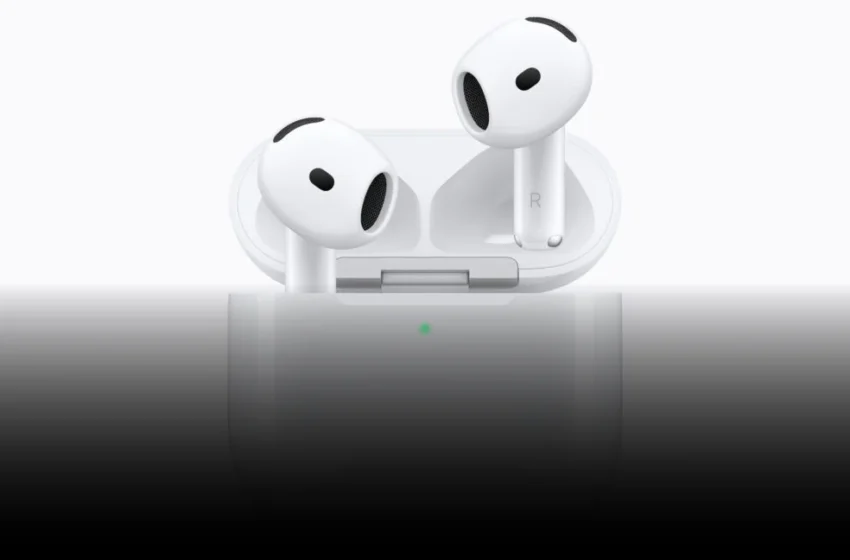
Apple’s quiet debut of the AirPods 5, complete with active noise cancellation at a starting price of $129, is less about consumer goodwill and more about a global market reality that even Cupertino can no longer ignore. While the immediate comparison to the AirPods 4, which demanded a steep $179 for its noise-cancelling variant, positions the new model as a sudden “deal,” this framing obscures a deeper, strategic pivot. This is Apple adapting, not innovating, on price. It is a tacit admission that the era of unchallenged premium pricing for true wireless stereo (TWS) earbuds is over.
For years, Apple largely dictated terms in the high-end audio accessory market. Its AirPods lineup, despite often trailing competitors in raw audio fidelity or advanced features, commanded premium prices through sheer brand power and seamless integration within the iOS ecosystem. But the global landscape has shifted dramatically. From Sony’s acclaimed WF-1000XM series to Samsung’s Galaxy Buds, and increasingly aggressive offerings from Chinese OEMs like Xiaomi and Oppo, the market is awash with high-quality, feature-rich earbuds at significantly lower price points. These alternatives have steadily eroded Apple’s once-dominant mindshare among non-iPhone users and even begun to sway some iOS loyalists looking for better value.
The announcement from Apple’s “Surprise and Shine” event, positioned as a win for consumers, is in fact a proactive defensive posture. It acknowledges that the growth of the overall earbud market is slowing, and competition is intensifying, particularly in Asia and Europe where price sensitivity is often higher than in the US. The skeptical observation here is that Apple, usually the trendsetter, is now playing catch-up on value, a testament to the brutal efficiency of its global rivals.
What a “Solid Deal” Really Signifies for Apple
When Apple launches a product like the AirPods 5 at an unexpectedly aggressive price point, it’s not merely a pleasant surprise; it’s a calculated move. The incentive driving this announcement right now is clear: maintain ecosystem lock-in. For Apple, the AirPods are not just headphones; they are a critical gateway into the Apple ecosystem, enhancing the stickiness of iPhones, iPads, and Macs. Losing a user to a competing brand’s earbuds means a small crack in the ecosystem wall, potentially leading to further defections down the line as rival platforms offer compelling cross-device experiences.
This pricing strategy reflects a distinct understanding of the product’s place in Apple’s hierarchy. Unlike the iPhone or Mac, which remain premium, high-margin computing platforms, earbuds have become a commoditized accessory. The cost of advanced features like active noise cancellation has plummeted across the supply chain. Apple’s ability to leverage its scale allows it to offer these features at a price that would have been unthinkable for its own products just a few years ago. The $149 option, bundling wireless charging and on-stem volume control, further reinforces this strategy: offer perceived premium features at an accessible price, subtly nudging users up a minor value tier without alienating them with a massive price jump.
The company benefits significantly from this framing. By offering a ‘solid deal,’ Apple not only fends off direct competitors but also strengthens its control over the audio consumption experience for its vast user base. It minimizes the incentive for users to look outside the Apple walled garden, securing future software and services revenue tied to that hardware. This isn’t about making a killing on each individual earbud sale anymore; it’s about cementing the foundation of its broader services strategy.
Ecosystem Entrenchment: The Long Game
The strategic implication of the AirPods 5’s pricing goes beyond quarterly sales figures. It signals a maturation of the consumer electronics market where even Apple, a titan known for its pricing power, must adjust its sails. For too long, Silicon Valley analysts have viewed Apple’s success as an almost inevitable byproduct of its design prowess and brand loyalty. What many have missed, especially those too close to the Cupertino narrative, is the relentless pressure from global tech firms that operate on different economic models and have cultivated their own fiercely loyal customer bases.
This move is a strong indicator that Apple is acutely aware of the global erosion of its accessory dominance. It’s a pragmatic recognition that while the iPhone still commands premium pricing, the battle for the ears—and the data associated with audio consumption—is now being fought on a different battlefield. By bringing advanced features like improved transparency mode to a broader audience, Apple isn’t just selling earbuds; it’s fortifying its position in the ambient computing landscape. The continuous refinement of features like seamless device switching and Find My integration ensures that the convenience factor remains a powerful differentiator, even as price converges with rivals.
Ultimately, the AirPods 5 at $129 isn’t just a product launch; it’s a strategic concession. It acknowledges the competitive heat in the TWS sector and demonstrates Apple’s willingness to defend its ecosystem through aggressive pricing where necessary. This tactical shift, if successful, will serve as a blueprint for how Apple intends to navigate other increasingly commoditized accessory markets, prioritizing long-term user retention over short-term hardware margins.
