
Apple’s Intel Breakup: A Blueprint for Tech’s Vertical Integration Future
- Tech
Arjun Vedanta
- 0
- 5 minutes read
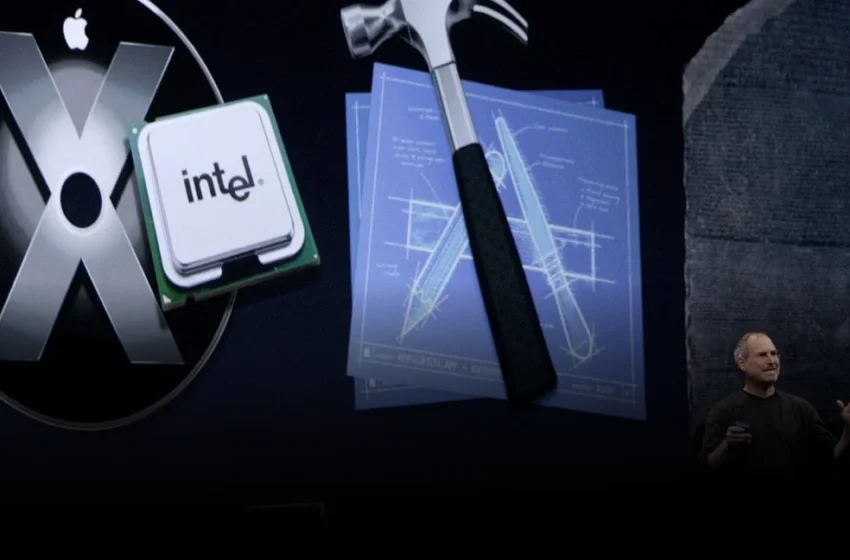
The Definitive End of a Strategic Compromise
The final curtain call for Intel Mac support with macOS 26 isn’t just a routine software lifecycle event; it’s a strategic declaration, echoing far beyond Cupertino. While the article notes that security updates will linger for two more years and Rosetta will persist in some form, the core message is unmistakable: Apple has definitively concluded its two-decade-long strategic compromise with Intel, making an unequivocal statement about the future of core technology differentiation.
For years, the Intel era, initially hailed as a performance booster and a catalyst for the Mac’s resurgence, eventually became a choke point. The initial partnership, as the source recounts, “made Macs dramatically better, until it started making them worse.” This isn’t merely about raw CPU clock speeds or incremental power efficiency gains; it reflects a deeper, irreconcilable divergence in vision and execution between Apple, meticulously orchestrating its entire user experience, and Intel, a monolithic chipmaker serving a vast, diverse market.
Apple’s move to its own Apple Silicon microarchitecture, fabbed by TSMC, wasn’t a whim. It was a calculated, multi-year gamble on absolute control over its hardware and software stack. This vertical integration allows Apple to dictate its CPU architecture, integrate custom accelerators, and precisely manage thermal envelopes in ways that simply weren’t possible when reliant on Intel’s roadmap, which often prioritized server and PC markets over Apple’s specific, low-power, high-performance mobile-first ambitions.
Beyond Performance: The Imperative of Silicon Control
The casual observer might frame this as Apple simply wanting faster chips. That misses the forest for the trees. This transition highlights a profound structural implication for the entire technology industry: the imperative for leading tech giants to control their core silicon. What Apple is demonstrating, perhaps more clearly than anyone else, is that hardware differentiation at the foundational level is no longer a luxury but an existential requirement for competitive advantage.
Consider Google, which has increasingly leaned into its custom Tensor chips for Pixel phones, moving away from Qualcomm’s Snapdragon. Or Microsoft, which, while still heavily reliant on Intel and AMD for its Surface line, has explored custom ARM-based processors for its cloud and specific devices, collaborating closely with Qualcomm. These are not isolated incidents; they are converging trends where companies are internalizing chip design to optimize their software and services, gain control over their product roadmaps, and enhance supply chain resilience.
Apple’s shift away from Intel illustrates that relying on an external, generic supplier for your most critical component inevitably introduces a bottleneck. It cedes control over innovation cycles, power consumption targets, and ultimately, the unique features that differentiate your product in a crowded market. The Silicon Valley narrative often champions open ecosystems, but Apple’s consistent, unwavering drive towards tighter integration offers a compelling counter-argument that real innovation often thrives within a controlled, vertically integrated environment.
The Unseen Costs and Future Stakes of Self-Reliance
While the benefits of Apple’s vertical integration are evident in benchmarks and battery life, this path is not without its own set of challenges and less obvious risks. Designing and manufacturing custom silicon is an incredibly capital-intensive endeavor, demanding billions in R&D and securing long-term foundry agreements with partners like TSMC. This scale of investment is simply not feasible for most companies, making Apple’s strategy a blueprint primarily for other tech behemoths, rather than a universal model.
One might argue that in shedding Intel’s vast, cross-industry expertise, Apple trades one form of dependency for another: a heavy reliance on a single foundry partner and internal design teams that, however brilliant, still operate within a relatively closed ecosystem. This move, while mitigating Intel’s specific performance ceilings, could introduce different, unforeseen vulnerabilities down the line, whether from manufacturing disruptions, design missteps, or the potential for internal myopia.
Apple’s incentive for accelerating this transition and framing it as a complete break is clear: it reinforces its brand narrative of relentless innovation and engineering superiority. It creates a compelling argument for consumers to upgrade to new Apple Silicon Macs, justifying premium pricing and further entrenching users within the company’s ecosystem. The strategic brilliance lies in making this architectural shift feel less like a technical necessity and more like an inevitable march of progress, carefully curated and controlled from within.
The departure of Intel from the Mac isn’t just a chapter closing; it’s a new manifesto being written for the entire tech landscape. It’s a testament to the power of control over the fundamental building blocks of computing, and a stark warning to those who might still underestimate the imperative of silicon self-reliance in the global race for technological supremacy.
