
Apple’s Quiet Power Play: Why iPhone 18 Pro Thermals Signal More Than Just Comfort
- Hardware
Arjun Vedanta
- 0
- 4 minutes read
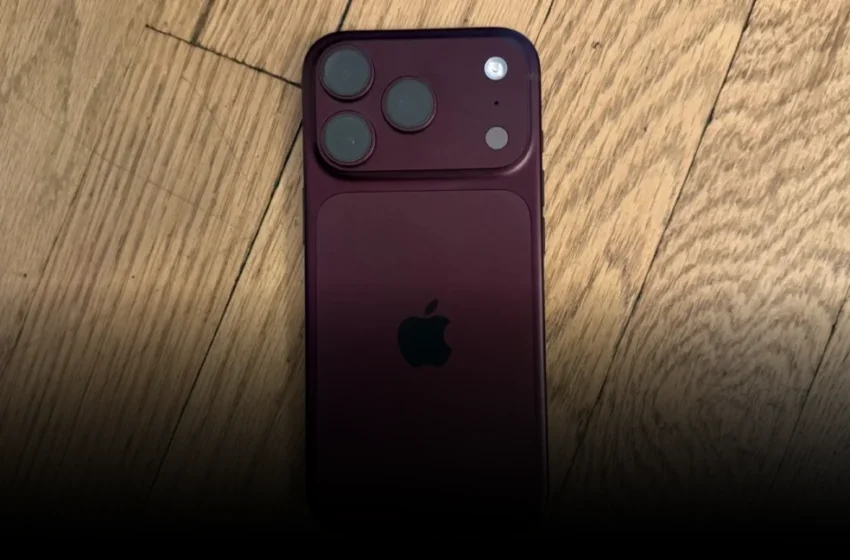
The Unseen Engine of Apple’s Next Era
The iPhone 18 Pro arrived to a familiar hum of evolutionary upgrades: a faster chip, a better battery, and improved camera controls. Yet, buried beneath the surface, a critical engineering achievement — significantly enhanced thermal management — suggests Apple is not merely refining its hardware, but deliberately constructing the foundation for its next decade of computational dominance. This isn’t about user comfort; it’s about sustained performance for workloads the market is only just beginning to grasp.
While Cupertino’s marketing often fixates on raw speed, the true metric of a high-performance mobile device in the coming age of pervasive on-device AI will be its ability to maintain peak output without throttling. The iPhone 18 Pro’s remarkable ability to run cooler, thereby delivering more consistent power from its A18 Pro silicon, is the company’s quiet, strategic response to an industry that still largely believes AI computation resides solely in the cloud. It’s a hardware bet on edge computing, positioning the iPhone not just as a consumption device, but as a formidable, always-on AI engine.
Beyond Benchmark Numbers: The Real Performance Metric
For years, smartphone reviews fixated on initial benchmark scores, a metric that, while indicative of peak theoretical performance, rarely reflects real-world use over extended periods. Apple’s internal focus on the iPhone 18 Pro’s thermals — an improvement allowing for better sustained performance, making it literally cooler to the touch — shifts the conversation subtly but profoundly. This isn’t just about preventing the phone from getting uncomfortably warm; it’s about enabling the A18 Pro chip to execute demanding tasks like advanced computational photography or nascent on-device large language models without immediate performance degradation.
This is where Silicon Valley reporters often miss the forest for the trees. They focus on the incremental camera tweaks or the absence of a flashy new design, overlooking the infrastructural shifts that underpin future capabilities. The market, distracted by the flashier iPhone Duo rumors, has largely ignored the implications of this internal engineering feat. It’s a skeptical observation, but the industry often fails to appreciate foundational plumbing until the building collapses. Apple is fortifying its plumbing.
The incentive here is clear: Apple benefits immensely from demonstrating superior thermal efficiency. It differentiates its integrated silicon and software stack from the often fragmented Android ecosystem, where chip performance is frequently hampered by less optimized cooling solutions. This sustained performance narrative primes the market for a future where sophisticated AI features, privacy-centric processing, and augmented reality applications require consistent, high-power compute directly on the device, minimizing reliance on network latency or cloud server costs. This move is about control, capability, and crucially, keeping its ecosystem distinct.
The Long Game of On-Device AI and Edge Compute
Apple has consistently played a longer game than most in consumer electronics, investing years in its custom silicon design. The improved thermals of the iPhone 18 Pro are not an isolated feature; they are a direct output of that sustained investment, aimed squarely at the next wave of mobile computation. When competitors are still grappling with overheating issues in their flagship devices, Apple is quietly ensuring its hardware can handle the next generation of AI-driven applications, whether that’s real-time video analysis or complex generative AI tasks performed entirely offline.
This emphasis on robust thermal management is a prerequisite for a world where powerful AI models live locally on our devices, offering unparalleled speed, privacy, and responsiveness. While the headline features of the iPhone 18 Pro might seem iterative, its internal architecture reflects a deeper strategic play. It’s a significant step towards enabling true edge computing at scale, a technological pivot that will redefine not just what our smartphones can do, but how we interact with ambient intelligence every day. This quiet revolution in thermal engineering positions the iPhone not just as a leading smartphone, but as a critical platform for the next era of personal computing.
