
Apple’s Silent Bluetooth Fix: Exposing the Hardware Privacy Illusion
- Cybersecurity
Arjun Vedanta
- 0
- 4 minutes read
The Invisible Patch and User Agency
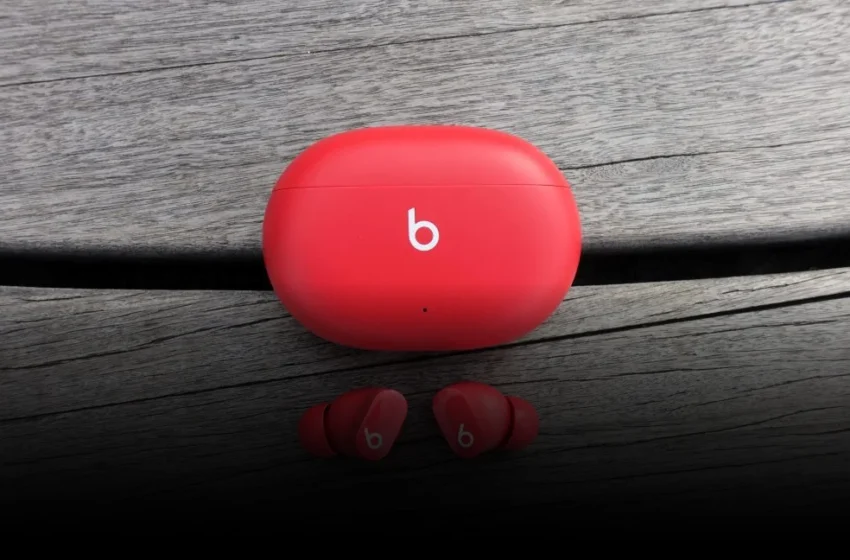
A Bluetooth eavesdropping vulnerability isn’t just a technical glitch; it’s a silent invasion, quietly fixed without a public recall, impacting millions. Apple’s recent patch for its Beats Studio Buds, identified as CVE-2025-20701, reveals a critical flaw in the firmware of these popular wireless earbuds. Attackers within Bluetooth range could impersonate previously paired devices, effectively turning the user’s own hardware into an unwitting microphone.
This isn’t merely about Apple or Beats; it’s a stark illustration of how our increasingly interconnected personal tech ecosystem operates. The fix arrived automatically with Beats Firmware Update 1B211, delivered without explicit user consent or prominent notification beyond a quiet security advisory. For devices designed to live in, on, and around our bodies, such vulnerabilities underscore a growing tension between convenience and fundamental privacy.
The incident with the Beats Studio Buds illuminates a pervasive industry practice: ‘silent security updates.’ While commendable that Apple addresses these issues, the method raises serious questions about consumer awareness and control. Users are expected to manually verify their firmware versions deep within device settings, a step few ever take.
This passive approach fundamentally shifts the responsibility for security from the manufacturer to the user, even as the mechanisms remain opaque. The reality is that most consumers have no idea what software their earbuds run, let alone how to audit its security or even verify it has been updated. This isn’t just about a potential eavesdropping risk; it’s about the erosion of digital self-determination in an age of ubiquitous, always-on sensors.
Asking users to manually check their firmware version is not a security solution; it’s a liability transfer, an exercise in corporate plausible deniability should a breach occur before an update propagates.
Beyond the Headphones: A Systemic Blind Spot
While the specific exploit targeted Beats Studio Buds, the underlying principle of improper authentication in Bluetooth firmware is not unique to a single product line or vendor. This vulnerability points to a broader systemic issue in the development and deployment of consumer wearables and IoT devices. The rush to market often overshadows rigorous, independent security audits that might catch such fundamental flaws early.
Consider the landscape: smartwatches, fitness trackers, even ‘smart’ clothing, all packed with microphones and sensors, constantly broadcasting data. Each represents a potential vector for surveillance. The problem isn’t just hardware design; it’s the security lifecycle management. These are not disposable gadgets; they are intimate personal assistants that rarely receive the same scrutiny as a new phone or laptop OS.
The average consumer simply trusts that a brand like Apple has done its due diligence. This trust is weaponized by the industry’s opacity, making it difficult for users to make informed decisions about the true security posture of their devices. Why is this announcement happening now? It’s a necessary disclosure for a critical vulnerability, but the minimal public-facing messaging allows Apple to maintain its image of security while quietly fixing a privacy hole that could have had significant implications for countless users had it been widely exploited.
The Global Implications of Local Exploits
From Geneva to Singapore, the proliferation of personal audio devices has changed how we conduct business and personal calls. The idea that a private conversation could be compromised by someone within Bluetooth range – a mere 10 meters, easily spanning an office floor or public transport carriage – is unsettling. This isn’t theoretical; researchers demonstrated end-to-end attacks.
Silicon Valley often focuses on large-scale data breaches or nation-state attacks. What this Beats vulnerability highlights, however, is the very personal, localized threat that can be just as insidious. It’s a reminder that privacy isn’t just about data in the cloud; it’s about the airwaves around us. Without robust, transparent security protocols and clear user communication, the promise of connected convenience rings hollow, replaced by a nagging sense of pervasive digital vulnerability.
This incident should serve as a wake-up call for greater regulatory oversight on minimum security standards for consumer electronics, especially those with microphones and connectivity features. As these devices become more integral to our daily lives, so too does the imperative for their security to be clear, auditable, and genuinely user-centric.
