
Beyond Green: The Velocity Trap and AI’s Threat to Creator Authenticity
- Artificial Intelligence
Arjun Vedanta
- 0
- 5 minutes read
The Algorithm’s Insatiable Hunger
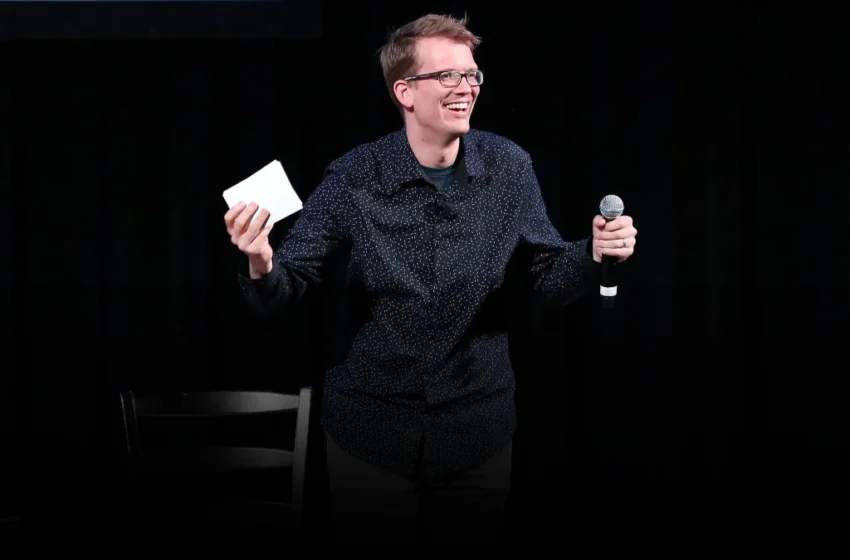
The genuine voice, the distinct perspective that built the creator economy into a multi-billion-dollar global phenomenon, is under siege. Hank Green, a popular educational YouTuber with 3.1 million subscribers, recently stepped forward with a confession that resonated far beyond the usual digital drama. He apologized for his increasing reliance on AI chatbots for scripting and research, describing the experience as ‘not healthy’ and acknowledging that he felt ‘mortified’ for ‘diluting’ himself.
Green’s candor, prompted by an incongruous chatbot phrase embedded in one of his Complexly videos, highlights a fundamental tension currently ripping through the digital creative class: the relentless demand for output versus the inherent value of human authenticity. This isn’t merely a Silicon Valley anecdote; it’s a global structural implication for anyone earning a living by sharing their unique insight online, from European lifestyle vloggers to K-Pop idol content creators.
His admission that the ‘level of dopamine’ from interacting with large language models (LLMs) and producing ‘more and more’ content had become ‘careless’ and ‘disconnected me from where people are on this’ serves as a stark warning. It’s a crisis of both artistic integrity and mental well-being, driven by an economic model that prioritizes algorithmic velocity over thoughtful creation.
The Digital Treadmill of Production
Why would a seasoned creator like Green, whose brand is built on thoughtful explanation and personal connection, fall into such a trap? The answer lies in the unforgiving mechanics of the contemporary creator economy. Platforms, from YouTube to TikTok, operate on an engagement metric that rewards frequency and volume. To maintain visibility, subscriber growth, and advertising revenue, creators are locked into a ceaseless production cycle.
The incentive for using generative AI in this context becomes painfully clear. Facing ‘a ton of pressure’ to churn out content, as Green himself admitted on X, AI offers a potent, if insidious, solution to writer’s block, research fatigue, and the sheer time commitment of content creation. It promises to augment output, to keep the content mill grinding, ensuring creators remain relevant in feeds that forget yesterday’s viral sensation by lunchtime.
This pressure cooker environment forces creators to make difficult choices. Do they sacrifice depth for speed, or risk algorithmic irrelevance? The problem isn’t the technology itself, but the economic framework that makes its misuse almost inevitable. Green noted his concern about ‘the speed at which these companies are trying to consolidate economic power’ — a pointed observation many US-based tech reporters often overlook when focusing solely on product features.
Authenticity: The Creator Economy’s Fading Currency
Green’s struggle to ensure ‘my words are mine’ underscores the core contradiction of AI in creative work. For years, the appeal of individual creators stemmed from their unique voice, their personality, their perceived direct connection to the audience. This authenticity was the primary currency, fostering communities that felt distinct from traditional media.
When an AI chatbot, however sophisticated, helps ‘locate papers and other resources’ or even assists with scripting, where does the creator’s unique voice begin and end? Green admitted to ‘diluting’ himself, a self-assessment that captures the gradual erosion of a distinctive personal brand. The line blurs, and trust, once lost, is incredibly difficult to rebuild. This isn’t just about the occasional turn of phrase; it’s about the fundamental promise made to an audience.
A deeply skeptical observation here: the major platforms themselves, YouTube being paramount, are largely indifferent to the source of content, so long as it drives engagement and ad impressions. Whether the words flow from a human intellect or an LLM’s predictive algorithms, as long as viewers click, watch, and share, the platform’s financial engine hums along. This creates a powerful, unseen force pushing creators towards volume at any cost, effectively incentivizing the very dilution Green laments.
The challenge for creators, globally, is profound. Do they risk burnout by maintaining a purely human output, or do they embrace AI and potentially alienate the very audience who connected with their genuine self? Green’s planned pause in production and his desire for more ‘dumb unscripted straight to camera thoughts’ is a desperate attempt to reclaim a process, a feeling, that has been compromised by the relentless demands of a system that often prioritizes quantity over soul.
