
Beyond the Hype: Unpacking the Geopolitical Strategy in Chinese AI Panic
- Artificial Intelligence
Arjun Vedanta
- 0
- 4 minutes read
The Manufactured Hysteria Over Chinese AI Models
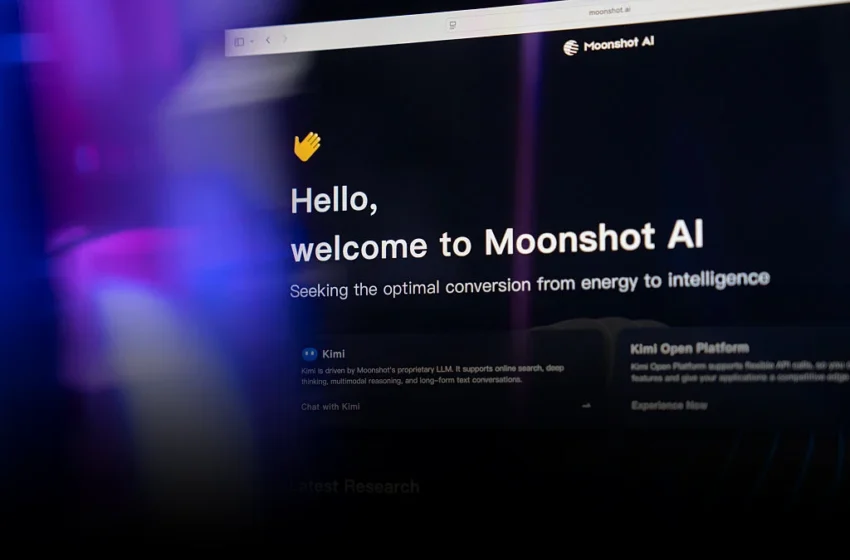
Each new benchmark score from a Chinese open-weight AI model seems to trigger an almost predictable paroxysm of anxiety within American tech circles and Washington D.C. The recent chatter surrounding Moonshot AI’s Kimi, for instance, quickly spiraled beyond technical evaluation into a full-blown debate about national security and the fate of the “AI race.” This isn’t just a spontaneous reaction to emergent technology; it’s a carefully orchestrated narrative, designed to funnel policy outcomes.
Silicon Valley’s preoccupation with being “blown away” by the next big thing, as analyst Sean O’Kane observed, often obscures the underlying mechanics. We saw it with DeepSeek, and now with Kimi, where claims of models replicating entire operating systems in minutes are trotted out, only for closer scrutiny to reveal they are impressive graphical facsimiles, not functional replacements. This jumpiness, however, is not accidental.
Such alarm plays directly into the hands of powerful interests. OpenAI and Anthropic, leading US frontier AI labs, have reportedly lobbied regulators, expressing “concern” over these very open Chinese models. The implication is clear: the threat isn’t just China’s advancement, but the openness of their advancements, which challenges the proprietary models that form the core business of these American giants.
Regulatory Capture Disguised as National Security
The core issue isn’t whether China is a formidable competitor—it undeniably is—but rather how this perceived competition is being weaponized. This announcement isn’t just about a new model; it’s a strategically timed pressure point, designed to coalesce regulatory opinion around the ‘threat’ of openness and foreign competition. When Kirsten Korosec posited whether restrictions on Chinese AI would accelerate American victory or merely benefit “certain frontier labs,” she pinpointed the crux of the matter.
The incentives are transparent. Blocking or severely restricting access to robust, openly available foreign models would force enterprises and developers onto American proprietary platforms. This is classic regulatory capture, wrapped in the flag of national security. David Sacks, formerly an “AI czar” in the Trump administration, openly tied the supposed threat of Chinese AI to his existing agenda: advocating for reduced regulation and increased data center construction, regardless of local impact. His framing — “My gosh, if China beats us, that’s unthinkable, so you have to do what I want to do anyway” — exposes the tactical deployment of fear.
Perhaps the most telling moment came from Dean Ball, OpenAI’s head of strategic futures, who explicitly suggested creating “regulatory FUD” to hobble Chinese open-weight models. Though he later walked back the statement, the candidness revealed an inconvenient truth. The goal isn’t just to innovate faster, but to secure market dominance by erecting protectionist barriers, stifling competition not through superior technology alone, but through policy. This isn’t an AI race; it’s an intellectual property land grab.
Beyond Silicon Valley’s Echo Chamber
From Geneva to Singapore, the conversation around AI governance and global technological leadership takes on a different hue. The singular focus within Silicon Valley on an “AI race” between two superpowers often misses the broader, more complex reality of a globally interconnected R&D ecosystem. True technological advantage in AI isn’t solely about guarding intellectual property; it’s about fostering an environment that attracts a diverse global talent pool, invests heavily in fundamental research, and builds resilient compute infrastructure.
To view every foreign AI advancement as an existential threat risks pushing the United States into a dangerous isolationist posture, reminiscent of past technological protectionism that ultimately proved self-defeating. Real security comes from robust, diverse innovation, not from insulating a handful of domestic players from global competition. Instead of a zero-sum game, a more sophisticated approach would involve strategic partnerships, clear ethical AI guidelines, and a commitment to open science where appropriate, while also safeguarding critical national interests. The incessant calls for restrictions on Chinese AI, however, appear less about a nuanced strategy for long-term American leadership and more about short-term commercial advantage for a select few.
