
Dashlane’s Cryptic Breach: The Real Threat Isn’t Just the Attack
- Cybersecurity
Arjun Vedanta
- 0
- 6 minutes read
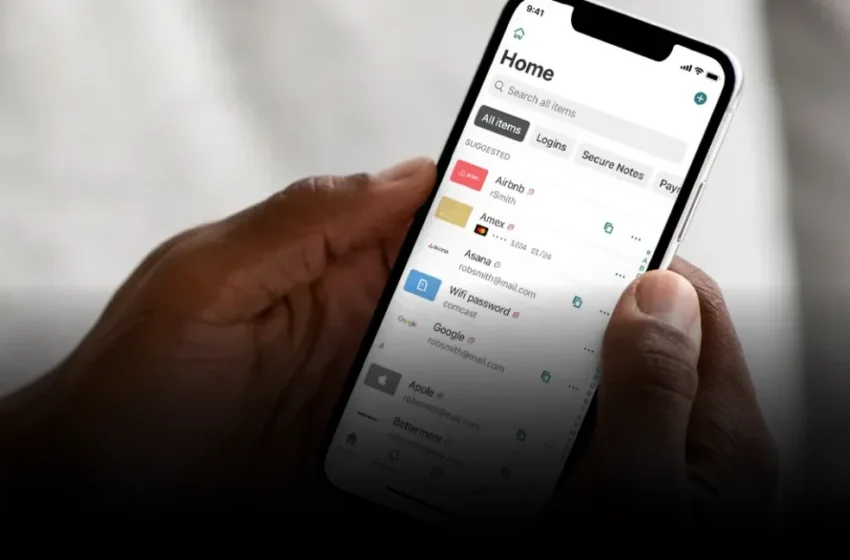
A Date in the Future, A Crisis in the Present
When a cybersecurity company, entrusted with the keys to our digital lives, issues a security advisory dating an attack three years into the future, the alarm bells should ring louder for its internal state than for the external threat. Dashlane, a prominent password manager, recently informed users of a “brute force attack” targeting “certain Dashlane user accounts” and compromising 20 encrypted user vaults. The company’s official communication states this began “Starting on Sunday, May 31, 2026.” Such a fundamental error in a critical security disclosure isn’t a typo; it’s a glaring symptom of a deeper systemic disarray that should worry every single user far more than the details of any external attacker.
The immediate consequence of such a mistake is profound: it instantly erodes trust, creating an environment of skepticism where clarity is paramount. Intelligent users, already steeped in the complexities of multi-factor authentication and zero-knowledge architecture, are left to decode a message that suggests either extreme incompetence or a hurried attempt to control a narrative that isn’t fully understood even internally. The fact that Dashlane had to issue any warning about attackers successfully obtaining 20 encrypted user vaults is serious enough. But when the details of that warning include a date that hasn’t happened yet, the company’s own credibility becomes the most significant casualty.
This isn’t merely about correcting a date; it’s about the signal sent by the internal processes that allowed such a critical error to be published. What else might be miscommunicated or misunderstood within Dashlane’s incident response protocols if such a basic fact can be so spectacularly wrong?
The Fissures in the 2FA Narrative
Beyond the temporal anomaly, Dashlane’s explanation of the attack vector creates further concern. The advisory claims the attackers’ goal was to “brute-force two-factor authentication (2FA) protections to allow the attacker to register new devices on existing user accounts.” Yet, the source article notes that users were receiving 2FA requests on the very Sunday the attack supposedly began. This is where the narrative strains credibility. Brute-forcing 2FA typically implies an attacker has gained access to a primary credential and is attempting to bypass a second factor through an offline attack on hashed secrets, or a highly sophisticated targeted attack on a specific user’s 2FA mechanism. It rarely manifests as a flood of legitimate 2FA prompts sent to users, which are more indicative of phishing attempts, credential stuffing leading to login attempts, or even SIM swap attacks.
The distinction matters immensely. If users are receiving 2FA requests, it means the system is working as intended, challenging an unknown login attempt. The question then becomes: how did the attackers initiate these login attempts? Was it through credential stuffing from previously leaked databases – a common tactic that shifts blame from the service provider’s primary security to user password hygiene? Or was it social engineering, directly targeting users? Framing it as a brute-force attack on 2FA protections themselves serves a specific purpose: it implies a direct assault on Dashlane’s hardened systems, rather than a successful bypass of user-level defenses or a weakness in their onboarding flow for new devices. This framing benefits Dashlane by portraying the attack as a sophisticated technical feat, rather than a symptom of broader ecosystem vulnerabilities or user susceptibility to social engineering.
A truly skeptical observation here is that if an attacker could genuinely brute-force 2FA protections—meaning breaking the cryptographic or algorithmic integrity of 2FA itself—Dashlane would have a crisis of epic proportions, not just 20 compromised vaults. What Dashlane likely means, or should have said, is that attackers were attempting to circumvent 2FA through repeated login attempts or by tricking users into approving legitimate 2FA prompts, not that 2FA itself was broken by brute force. This critical ambiguity leaves users in the dark about the true nature of the threat and, consequently, how to best protect themselves.
What This Means for Digital Trust
For a password manager, the bedrock of its business is trust. Users hand over their most sensitive credentials, expecting ironclad security and transparent communication in times of crisis. When a company fails on both counts—presenting a confusing timeline and an ambiguous attack vector—it doesn’t just impact its own customer base; it casts a shadow across the entire digital identity management sector. Competitors like 1Password and Keeper Security thrive on the perception of unwavering reliability. This incident from Dashlane offers a cautionary tale for the industry as a whole: opacity, even unintentional, breeds suspicion.
The lack of clarity places an undue burden on users to discern the truth from conflicting statements. In an era where cybersecurity fatigue is rampant and phishing attempts are increasingly sophisticated, clear, unambiguous communication from security vendors is non-negotiable. This situation recalls past incidents where the aftermath of a breach was compounded by the company’s own muddled messaging, leaving customers feeling abandoned and exploited. Protecting user data is only half the battle; the other half is maintaining a clear, honest dialogue when that protection falters.
The lesson here is stark: in the high-stakes world of personal data security, a company’s response to an incident reveals more about its operational integrity than the incident itself. Dashlane’s advisory, riddled with inconsistencies, suggests a need for a thorough internal audit of its communications strategy and incident response protocols, rather than just shoring up its digital perimeter. Until then, the question isn’t just about what happened to those 20 encrypted vaults, but what this confusion means for the trust in a service many rely on daily for their online existence.
