
DOJ’s ‘Doxing’ Claims: A Digital Smoke Screen for Federal Opacity
- Cybersecurity
Arjun Vedanta
- 0
- 4 minutes read
The Quiet War on Digital Transparency
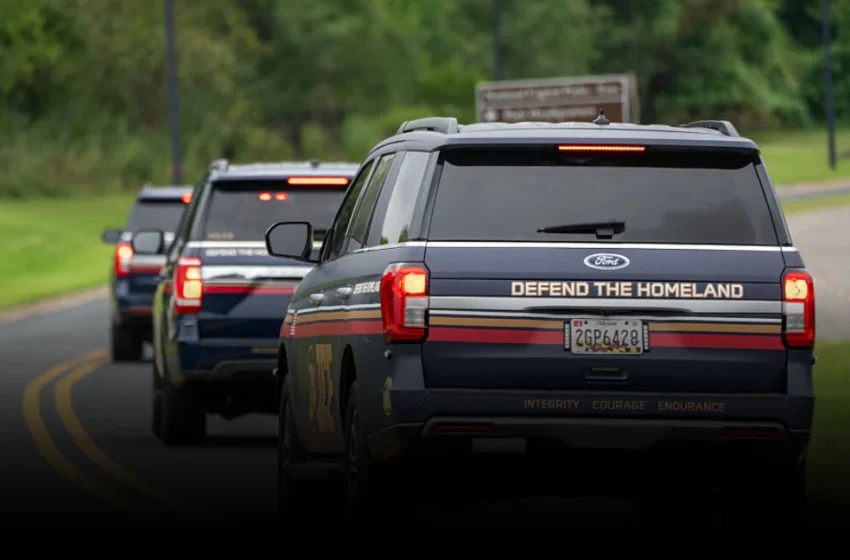
The Department of Justice’s recent lawsuits against four states refusing to grant undercover license plates to ICE agents represent more than a bureaucratic spat over vehicle registration. They signal a calculated move by the federal government to weaponize “doxing” claims, creating a convenient pretext to expand operational secrecy and undermine efforts at public accountability.
This isn’t merely about protecting individual agents from perceived threats; it’s about establishing a dangerous precedent for federal agencies to operate beyond local oversight and to silence digital activism. The administration, particularly under its outgoing leadership, has consistently sought to control narratives and information flow, and this legal maneuver fits that pattern perfectly.
Reframing “Doxing” as an Accountability Tool
The DOJ alleges that websites like ICEList.info and ICESpy.org are “doxing” agents, leading to increased harassment and invasive tracking. Yet, the available public information, including the complaint itself, offers no concrete evidence of this alleged harm directly resulting from these sites. These platforms, often run by digital rights activists and local communities, typically aggregate publicly available data — like employment records or social media posts — to identify individuals involved in immigration enforcement. They are less about malicious intent and more about holding state actors accountable for actions taken in the public’s name.
The push for untraceable license plates for federal officers, then, is not a simple matter of operational security. It’s an attempt to circumvent a nascent ecosystem of digital tools that allow citizens to monitor government activity. By painting these transparency efforts as dangerous “doxing,” the DOJ seeks to delegitimize the very act of tracking and identifying public officials performing their duties. This constitutes one of the sharpest sentences in this discussion: the true risk isn’t ‘doxing’ but the chilling effect this lawsuit intends to have on digital transparency efforts.
The Incentive: Expanding Surveillance, Shrinking Oversight
When a federal agency demands the right to operate vehicles with plates that cannot be traced back to its officers, it’s not just asking for anonymity; it’s demanding an expansion of its surveillance capabilities with diminished public accountability. State-level policies blocking these plates are, in essence, attempts to maintain a degree of local oversight over federal operations within their borders, particularly those that impact their communities directly. This legal challenge seeks to erode that crucial check.
The incentive driving this announcement now, in the final months of the Trump administration, is clear: to solidify a legacy of federal supremacy in information control, particularly over sensitive immigration enforcement data. It benefits an administration that has consistently sought to bypass state and local government resistance to its immigration policies. By forcing states to issue these plates, the DOJ effectively pushes responsibility for obscured operations onto local DMVs, diffusing the potential for public scrutiny. This strategy enables federal agents to operate with increased impunity, making it harder for human rights organizations, journalists, and everyday citizens to document and challenge actions on the ground.
A Dangerous Precedent for Federal Power
This isn’t an isolated incident; it’s part of a broader pattern where federal entities increasingly seek to shield their operations from public view using a range of arguments, often citing national security or officer safety. Granting ICE the ability to register undercover license plates without state resistance would set a dangerous precedent. It could embolden other federal agencies — from the FBI to the DEA — to demand similar exemptions from state-level transparency, data access, or privacy laws, always under the guise of operational necessity.
Imagine a future where a web of federal agencies operates with near-total anonymity at the state level, their vehicles untraceable, their personnel unidentifiable through public records. This erodes the very foundations of democratic accountability, transforming public servants into an opaque, unreviewable force. This legal battle is a critical skirmish in the ongoing war between governmental power and public transparency, and the DOJ’s framing of digital activism as “doxing” is a cynical attempt to win it.
