
EPA Repeal: Undermining US Clean Energy Leadership on the Global Stage
- Tech
Arjun Vedanta
- 0
- 5 minutes read
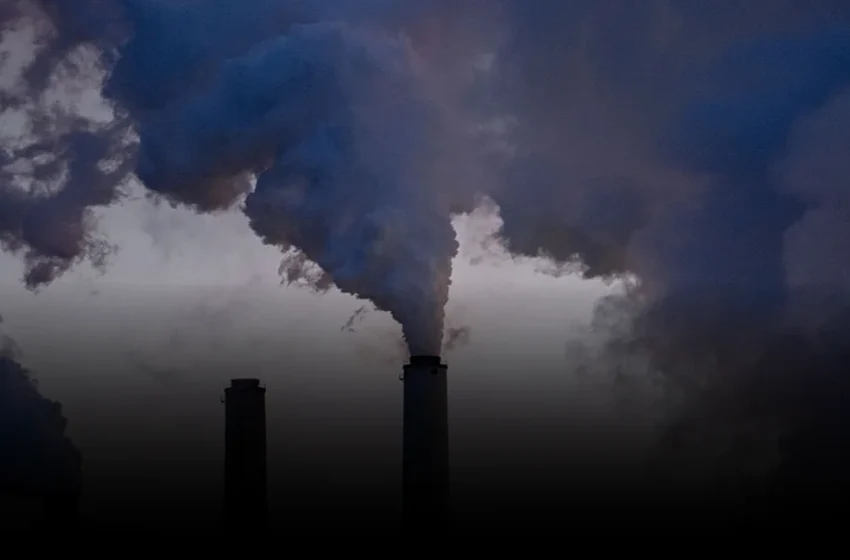
The Price of Domestic Posturing: Global Tech Leadership
As the Environmental Protection Agency faces legal challenges for rolling back climate regulations on power plants, the conversation in Washington understandably focuses on domestic politics and legal precedent. Yet, the sharper implications of this decision resonate far beyond US borders, quietly eroding America’s strategic position in the global race for clean energy dominance. This isn’t merely about environmental compliance; it’s an implicit surrender of the future economic high ground.
Just days after finalizing a rule that would eliminate vital climate rules for power plants, the EPA was met with a swift legal petition from a coalition of environmental and public health groups, including the American Lung Association and the Natural Resources Defense Council (NRDC). Their core argument, articulated by APHA CEO Georges C. Benjamin, is that “Clean air is a basic human right” and that the repeal risks leaving the nation’s single largest source of industrial climate pollution unchecked. While this legal battle plays out in the US Court of Appeals for the DC Circuit, the real cost isn’t just to the atmosphere, but to the nation’s industrial strategy and technological standing.
Globally, nations from China to Germany are funneling trillions into renewable energy infrastructure, advanced battery technology, and next-generation grid solutions. This isn’t solely driven by altruism; it’s a cold, hard economic calculation to secure future energy independence and capture emerging industrial value chains. While the US equivocates on the foundational regulatory signals that drive investment in solar, wind, and carbon capture, other economies are rapidly scaling their energy transition efforts, cementing their positions as future exporters of green technology and expertise.
The Illusion of Economic Relief vs. Real Competitiveness
The incentive behind such regulatory rollbacks often centers on providing immediate economic relief to existing industries, specifically the fossil fuel sector. The framing suggests a necessary removal of burdensome regulations to keep electricity costs low and avoid stifling traditional energy production. However, this perspective is increasingly an anachronism. The global market price for renewable energy continues its precipitous decline, with solar and wind now often cheaper to build than new fossil fuel plants, even without subsidies.
This is my contrarian observation: the idea that delaying aggressive clean energy investment somehow makes US industries more competitive globally is a dangerous fiction. It locks the nation into reliance on outdated infrastructure and less efficient energy sources, while competitors innovate at warp speed. Rather than fostering a robust clean energy ecosystem, these actions signal a lack of commitment, deterring private capital from the very renewable technology and innovation needed to compete. It’s a classic case of prioritizing short-term gains for a specific lobby over long-term strategic advantage for the entire economy.
Every major claim about the economic benefits of deregulation needs to be weighed against the measurable impact of lost opportunity in rapidly expanding global markets for green products and services. When the world is shifting towards a low-carbon economy, the US risks becoming a technological laggard, buying its clean energy solutions from abroad rather than inventing and exporting them.
Eroding Geopolitical Influence Through Policy Signals
The most profound consequence of this EPA action, often missed by those focused solely on domestic policy, is its effect on US geopolitical leverage. The United States has historically sought to lead international climate negotiations and champion environmental stewardship. However, actions like this regulatory rollback send an unequivocal signal to international partners: Washington’s commitment to climate action is conditional and easily reversed. This weakens the US’s moral authority to push other major emitters, like India or Brazil, to adopt more stringent environmental policies or to invest in advanced carbon emissions reduction technologies.
Furthermore, it creates a vacuum that other nations are eager to fill. China, for instance, has strategically positioned itself as a leader in solar panel manufacturing, electric vehicle batteries, and rare earth processing—all critical components of the modern green economy. When the US pulls back from domestic commitments, it inadvertently bolsters the narrative that other powers are the true pioneers of the energy transition. This isn’t just about environmental policy; it’s about industrial policy and who controls the next generation of global technology.
While groups like the Environmental Defense Fund (EDF) and Clean Wisconsin push for accountability through the Clean Air Act, the larger narrative being written is one of a nation struggling to reconcile its immediate political cycles with its long-term technological and geopolitical imperatives. The US’s domestic energy policy choices have international consequences, not just for the climate, but for its standing in a technology race that will define the 21st century’s economic superpowers.
