
Europol’s VPN Takedown Exposes a Deeper Crisis of Digital Trust
- Cybersecurity
Arjun Vedanta
- 0
- 5 minutes read
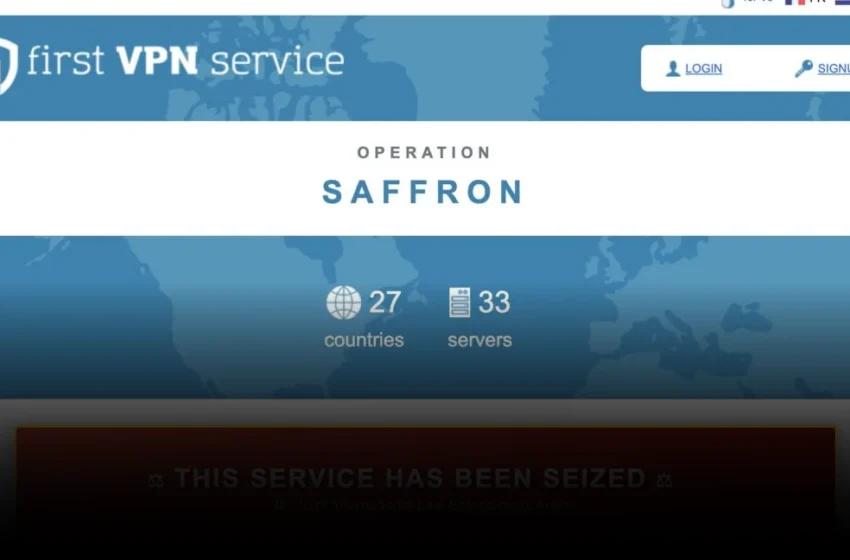
The Anatomy of a Boast, and What It Hides
The banner image splashed across the defunct First VPN website now reads, unequivocally, “This domain has been seized by law enforcement.” It is a stark, almost triumphal declaration from Europol, Europjust, France, and the Netherlands. The official narrative celebrates the dismantling of a service allegedly used by cybercriminals for ransomware, data theft, and other serious offenses, after an international operation successfully identified “thousands of users” and arrested its administrator. On the surface, it’s a clear win for cybersecurity and public safety.
However, Silicon Valley’s often myopic focus on immediate events tends to miss the tectonic shifts beneath. This isn’t just a story about good triumphing over bad actors; it’s a profound, unsettling exposé of the fundamental fragility of trust in online anonymity tools, and a deliberate assertion of state power that should concern anyone who values digital privacy, regardless of their online activities.
The critical detail, deliberately vague in the announcement, is how law enforcement “identified thousands of users” of a service specifically “promoted on Russian-speaking cybercrime forums as a trusted tool for remaining beyond the reach of law enforcement.” It implies more than mere domain seizure or administrative arrest; it strongly suggests an infiltration, a bypass of the very systems designed to provide privacy. This isn’t just catching bad guys; it’s a crack appearing in the perceived invulnerability of the VPN architecture itself, even for services overtly catering to criminal elements.
The Illusion of Impenetrable Digital Walls
For years, a significant portion of the global internet population has relied on Virtual Private Networks for everything from evading state censorship to protecting personal data on public Wi-Fi. The promise has always been an encrypted tunnel, obscuring traffic from ISPs, governments, and other prying eyes. Many reputable VPN providers offer audited “no-logging” policies, aiming to assure users that even if compelled by subpoena, they would have no data to hand over.
But the First VPN takedown punctures this illusion. If a service explicitly designed for obfuscation, offering “anonymous payments” and “hidden infrastructure,” can be compromised to the extent that thousands of its users are identified, then the underlying mechanisms of *any* VPN become suspect. Was it a zero-day exploit? A vulnerability in its encryption protocols? A compromise of its physical servers or administrator credentials? The lack of technical detail in Europol’s statement is not merely an operational security choice; it leaves a gaping hole in the narrative, allowing for a broader erosion of confidence in privacy tools writ large.
The truth is, even the most robust VPNs are only as strong as their weakest link—be it human error, national jurisdiction, or the sophisticated capabilities of state-level surveillance. This operation highlights the perpetual cat-and-mouse game where the capabilities of law enforcement consistently evolve to counter tools of obfuscation, and the latest tactic seems to be an emphasis on dismantling the *infrastructure* itself rather than just chasing individual actors. The incentive for Europol to broadcast this operational success, with its deliberate emphasis on the technical prowess involved, serves a dual purpose: to deter future criminal use of similar services, and to implicitly assert state power over digital anonymity, influencing public perception of digital rights.
A Pyrrhic Victory in the Privacy Wars
Law enforcement celebrating their infiltration into a network marketed on ‘untraceable’ access risks more than it gains; it fuels a deeper distrust in all online privacy tools, regardless of user intent. The immediate benefit of disrupting cybercrime is undeniable, but the long-term cost could be substantial. This incident sends a chilling message to journalists protecting sources, human rights activists operating in repressive regimes, or simply individuals in countries with intrusive surveillance laws who rely on VPNs for legitimate, even life-saving, privacy.
When the very notion of a secure, anonymous connection is undermined, the implications ripple beyond the dark web forums mentioned in Europol’s statement. It contributes to a broader chilling effect on free speech and secure communication, nudging users towards even more obscure and potentially less secure avenues if mainstream VPNs are perceived as compromised. The industry’s ongoing efforts to build trust through independent audits and transparent practices are suddenly facing a credibility crisis, not because of a specific technical flaw in a mainstream product, but because the *concept* of a safe harbor has been publicly breached.
This isn’t to diminish the fight against cybercrime, which is essential. But the manner in which this victory is framed, and the questions it leaves unanswered, represent a significant moment. It forces us to confront a future where digital anonymity is increasingly viewed not as a right, but as a privilege—one that state actors can, and will, penetrate and expose. The long-term casualty might not be just one criminal VPN service, but the collective faith in a truly private internet.
