
FCC Weaponizes DEI Compliance to Silence Dissent: A New Frontier in Media Control
- Tech
Arjun Vedanta
- 0
- 5 minutes read
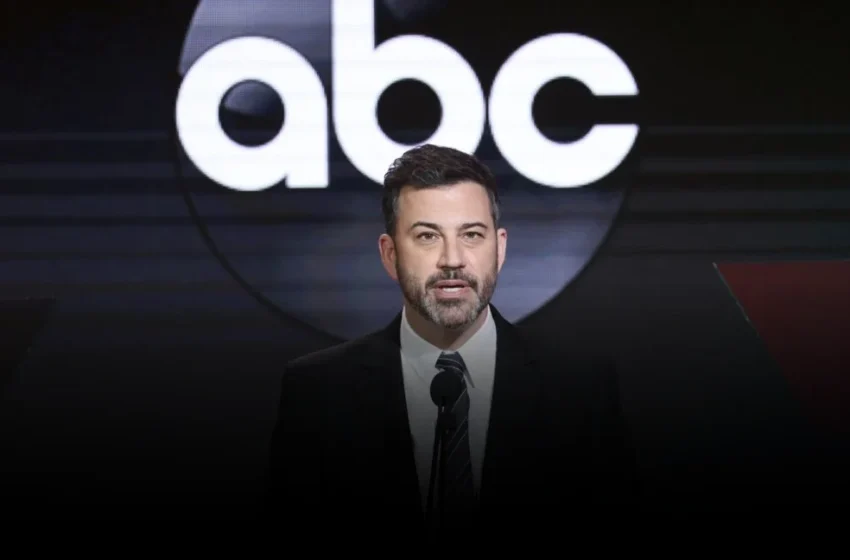
The Quiet Erosion of Broadcast Independence
The Federal Communications Commission (FCC) has unveiled a deeply unsettling tactic, compelling ABC to submit early license renewal applications for its eight owned television stations, ostensibly over alleged violations of diversity, equity, and inclusion (DEI) practices. This isn’t just a bureaucratic spat about hiring policies; it’s a sophisticated, politically motivated maneuver that fundamentally challenges the long-held independence of media licensing, revealing a dangerous new precedent for exerting political control over content and chilling free speech across the broadcasting landscape.
ABC, owned by Disney, asserts in its filings that the FCC’s order is nothing less than “an unprecedented attack on a single company’s entire portfolio of broadcast licenses,” accusing the regulator of trying to suppress speech. The company claims the FCC is “using the license process renewal to punish a broadcaster for its editorial choices” in “an extraordinary demonstration of power and coercion directed at disfavored editorial voices.” This isn’t merely about anti-discrimination rules; it’s about weaponizing a regulatory mechanism to police narrative and, by extension, dissent.
FCC Chairman Brendan Carr, who has previously threatened to revoke licenses from networks perceived as critical of President Trump, is the architect of this strategy. The timing, particularly ahead of a contentious election cycle, suggests a clear incentive: intimidate major media players into alignment or face punitive, protracted battles that drain resources and attention. This framing benefits a political agenda eager to control information flow and suppress critical reporting by establishing a chilling effect that extends far beyond a single broadcaster.
Beyond DEI: The Regulatory Trap
The FCC’s stated concern over ABC’s DEI practices is, on the surface, a matter of employment equity. Yet, the leap from alleged internal policy issues to threatening license renewals for an entire broadcast portfolio signals a strategic expansion of regulatory reach. Historically, license renewals focus on technical compliance, local programming commitments, and general adherence to public interest standards. DEI, while an important social imperative, has never been deployed with such aggressive leverage to compel a broadcaster into an early, contested renewal process.
This is where the international perspective offers crucial clarity. While US-based Silicon Valley reporters might focus on the specifics of the DEI allegations or the immediate legal back-and-forth, observers in Geneva or Singapore recognize this pattern as an alarming shift towards state-sponsored media control. Governments in various regions have long used licensing, spectrum allocation, or tax audits as instruments to subtly — or not so subtly — shape media output. What’s unfolding with ABC isn’t a novel concept globally, but its arrival in the US, cloaked in regulatory jargon, marks a significant departure from established norms of media independence.
The insidiousness lies in the ambiguity. By tying license eligibility to interpretations of internal corporate policies like DEI, the FCC creates a highly subjective metric. What constitutes a “violation”? Who decides? And, crucially, can editorial decisions, perceived by some as reflecting a particular viewpoint on diversity, then be weaponized as evidence of non-compliance? The skeptical observation here is that the vague, evolving nature of DEI metrics makes them an ideal instrument for politically motivated enforcement, offering broad discretionary power to regulators to target voices they dislike, all under the guise of public good.
The Chilling Effect on Content Production
The immediate fallout for ABC is a costly legal battle and a significant distraction. The long-term implication, however, is a chilling effect that will ripple across the entire broadcasting sector, including cable news and even digital content creators who rely on broadcast assets for distribution. If the FCC can pressure ABC over DEI, what stops it from scrutinizing content decisions related to climate change, political narratives, or public health campaigns?
Broadcasters operate within a complex ecosystem of content production and distribution, constantly navigating evolving consumer tastes and technological shifts like over-the-top (OTT) streaming and targeted advertising. The added layer of existential regulatory threat based on subjective policy interpretations injects profound uncertainty into this environment. Station groups, whether large like Sinclair Broadcast Group or smaller independent operators, will inevitably self-censor, not necessarily by directly altering news stories, but by shying away from controversial topics or adopting a more cautious editorial stance to avoid becoming the next target.
This isn’t about the merits of DEI. It’s about the precedent. When a regulatory body, mandated to ensure fair airwaves and technical standards, begins to use its power to influence editorial decision-making through indirect means, the fundamental contract between the public and its broadcasters is undermined. The real story here isn’t a dispute about HR policies; it’s a stark warning about the quiet weaponization of bureaucratic power against media pluralism, setting a dangerous standard that transcends political affiliations and threatens the very fabric of independent journalism.
