
FDA Clears Second Maggot Therapy Species, But The Global Market Remains Deeply Skittish
- Tech
Arjun Vedanta
- 0
- 4 minutes read
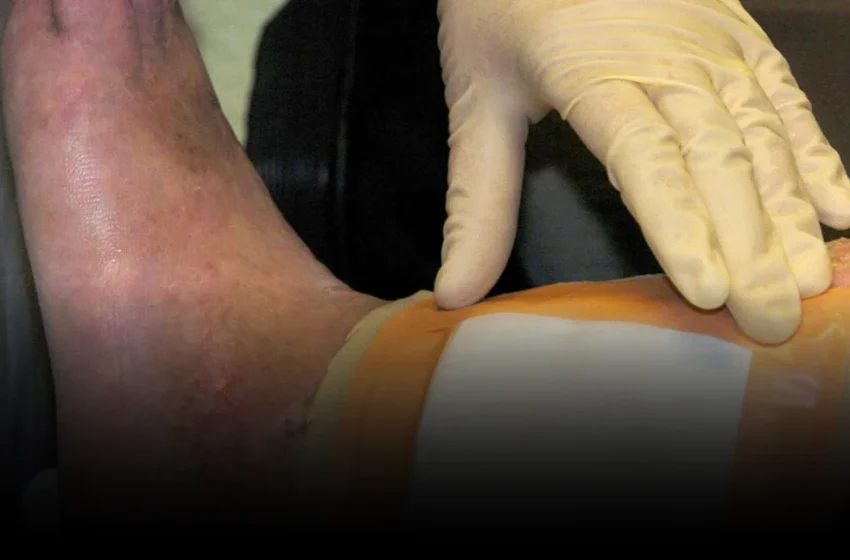
Beyond the Buzz of Regulatory Wins
This week, the Food and Drug Administration quietly added Lucilia cuprina, the Australian sheep blowfly, to its approved list for maggot wound therapy. This marks only the second fly species ever cleared for such medical use, and it’s a significant regulatory milestone for Cuprina Holdings, the Singapore-based company now holding unique dual clearance. Their new “MediFly Maggots” join the ranks alongside the common green bottle fly, Lucilia sericata, which received its own FDA nod back in 2004, largely thanks to the pioneering efforts of Ronald Sherman, now Cuprina’s Medical and Scientific Director.
On paper, this clearance presents an unambiguous win, painting a picture of expanded options and market dominance for Cuprina. The narrative suggests a company poised to capture a significant share of a growing, albeit niche, biosurgery market. Yet, for all the regulatory progress, the real challenge for maggot debridement therapy (MDT) has never been scientific efficacy or official approval. It has always been the profound, visceral human discomfort with the treatment itself.
While the US regulatory landscape slowly expands its embrace of such therapies, the global adoption remains a stubbornly complex affair. A piece of paper from a government agency does not magically dissolve decades of cultural aversion. The approval of another species, while medically sound, addresses the easiest part of the problem.
The Unseen Barriers to “Dominating” Biotherapy
Cuprina Holdings’ ambition to “dominate the global maggot market” feels like a proclamation made without fully grappling with the true nature of that market. This isn’t software-as-a-service; it’s a medical intervention relying on living organisms. It doesn’t scale like a cloud platform, nor does it possess the inherent glamor of a CRISPR breakthrough. Instead, it confronts the deep-seated psychological ‘ick’ factor that few other medical technologies face.
Why is this announcement happening now? Cuprina benefits from reinforcing its position as a legitimate leader in a highly specialized, often misunderstood, field. It’s an incentive to signal innovation, attract further investment, and perhaps nudge reluctant clinicians towards a treatment proven effective against chronic wounds and antibiotic-resistant infections.
But overcoming the perception barrier requires more than just a regulatory badge; it demands a wholesale shift in how both medical professionals and the public view biotherapy. In many parts of Asia or Europe, where traditional and natural remedies often coexist with modern medicine, there might be slightly less resistance, but even there, the clinical integration of live insect larvae is far from mainstream. The resistance isn’t just a matter of education; it’s an ingrained cultural revulsion.
A Niche, Not a Mainstream Takeover
Maggot debridement therapy occupies a critical, albeit limited, segment of wound care. Its primary value lies in treating chronic, non-healing wounds, particularly those complicated by biofilm formation or antibiotic resistance, where conventional methods have failed. These are severe cases, not everyday scrapes. Comparing its market potential to that of advanced wound dressings or even novel antibiotics would be a fundamental miscalculation of its scope.
The global wound care market is vast, driven by an aging population and rising incidence of diabetes, but MDT remains a niche solution within it. Its adoption rates, even after decades of evidence, pale in comparison to other innovations in healthcare. This isn’t a product that gets pushed by aggressive sales teams to every GP; it’s a specialized tool for specific circumstances, requiring careful patient selection and a willingness from both patient and clinician to embrace an unconventional approach.
The structural implication here is profound: Cuprina’s success will not be measured by market share akin to a software giant, but by incremental gains in clinical acceptance and overcoming deeply embedded societal biases. The FDA’s green light for Lucilia cuprina is an important scientific validation, yet the road to true global market penetration for MediFly Maggots remains paved with psychological hurdles far more formidable than any regulatory framework could ever present. The flies are ready, but the world is still squirming.
