
Google’s Chromecast Cliff: The Silent Obsolescence of ‘Unsupported’ Tech
- Tech
Arjun Vedanta
- 0
- 5 minutes read
The Subtle Art of the Software Brick
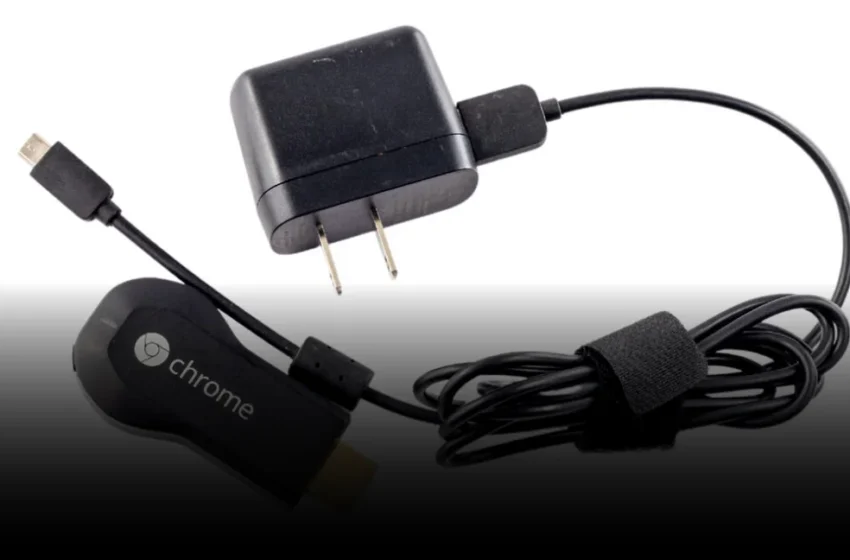
Millions of first-generation Google Chromecasts, once a marvel of accessible streaming, are suddenly failing to cast content from popular applications. Users across online forums report identical issues: YouTube, Chrome, Paramount+ — all crippled. This isn’t just about a dated device; it’s about a fundamental shift in how we perceive product longevity, particularly when a company like Google declares a piece of hardware “unsupported.”
Sahana Mysore, a senior product manager for Google Home, quickly reassured Ars Technica that Google “didn’t kill the devices.” This statement, while technically precise, sidesteps a critical distinction. A physical brick is one thing; a functional collapse is another entirely. When the core purpose of a connected device is to mediate between internet services and a display, and that mediation ceases, the practical effect on the user is indistinguishable from a deliberate disabling. A device that cannot perform its sole function is, for all intents and purposes, dead to its owner.
The issue isn’t hardware failure but a breakdown in software compatibility or server-side communication. Without ongoing firmware updates, the device cannot adapt to evolving API changes from streaming providers or Google’s own backend infrastructure. This vulnerability is the Achilles’ heel of any internet-of-things (IoT) gadget. Users bought 10 million of these $35 devices in 2014, believing they were acquiring a simple gateway to their digital content. Now, less than a decade after its peak popularity, its usefulness has evaporated. The initial claim of Google not “bricking” these devices often conveniently ignores the reality that their functionality is entirely dependent on external infrastructure and code that Google—and only Google—controls.
The Hidden Cost of ‘Smart’ Obsolescence
The saga of the first-gen Chromecast serves as a potent case study in the stealthy evolution of planned obsolescence. Unlike the traditional model where a device physically wears out or a component fails, modern connected hardware can be rendered obsolete not by decay, but by a company’s decision to discontinue backend support. Google officially ended support for these Chromecasts in 2023. What users are now experiencing is the delayed fallout of that decision.
This isn’t just a Google problem; it’s an industry-wide trend impacting everything from smart home hubs to security cameras. Every Wi-Fi enabled toaster and internet-connected fridge carries the same implicit expiry date. Consumers are implicitly signing up for a finite lifespan dictated by corporate software roadmaps, not physical durability. The environmental impact of this model is staggering, fueling an endless cycle of e-waste as perfectly capable hardware is discarded because its software brain has been effectively lobotomized.
The contrast with older, “dumb” electronics couldn’t be starker. A DVD player from 2004 still plays DVDs today. A vintage stereo still outputs sound. Their functionality is self-contained. Smart streaming devices, however, are fundamentally tethered. They rely on continuous validation, updates, and compatibility with external services. This reliance creates a persistent, low-grade anxiety for consumers: when will my device cease to function, not because it broke, but because its digital lifeline was severed?
Trust, Transparency, and the Tethered Future
The current situation erodes consumer trust. When users on Reddit openly speculate about Google intentionally bricking devices to force upgrades, it’s a symptom of a deeper malaise: a feeling of powerlessness against tech giants who control the digital fate of their products. This perception isn’t entirely unfounded. The incentive for companies like Google is clear. Maintaining legacy software support for a device that sold for $35 nearly a decade ago is a cost center. Directing users toward newer models, often with more advanced features and deeper ecosystem integration, drives new hardware sales and reinforces dependence on their current platforms.
This opaque process of deprecation benefits the manufacturers by minimizing long-term support costs and accelerating product refresh cycles. What’s missing is clear communication and a more robust industry standard for hardware longevity, especially when a device’s utility is entirely software-defined. Legislation like Europe’s Right to Repair movement offers glimmers of hope for hardware, but the conversation around ‘right to update’ or ‘right to continued service’ for connected devices remains largely unaddressed.
As we move further into a world populated by always-on, always-connected devices, the implicit contract between user and manufacturer must evolve. Consumers need greater assurance that their initial purchase isn’t just a down payment on a system designed for built-in obsolescence. Without it, the trust required for the widespread adoption of smart technologies will continue to fray, leaving a legacy of frustration and electronic junk.
