
Google’s Gemini Spark: A Glimmer of Utility Lost in Branding Chaos
- Artificial Intelligence
Arjun Vedanta
- 0
- 5 minutes read
The Agentic Assistant Nobody Asked To Be Renamed
Google’s latest attempt to embed AI deeper into our daily lives, Gemini Spark, arrives with a familiar contradiction: genuine utility obscured by a confusing product strategy. While Silicon Valley narratives often fixate on benchmarks and model size, the real friction for consumers isn’t AI’s capability, but its accessibility and coherence. Sarah Perez’s recent experience with Spark, Google’s 24/7 agentic assistant, reveals a system capable of managing tedious digital chores, from aggregating local events to tracking price drops, yet fundamentally hampered by Google’s inability to integrate its innovations under a single, intuitive umbrella.
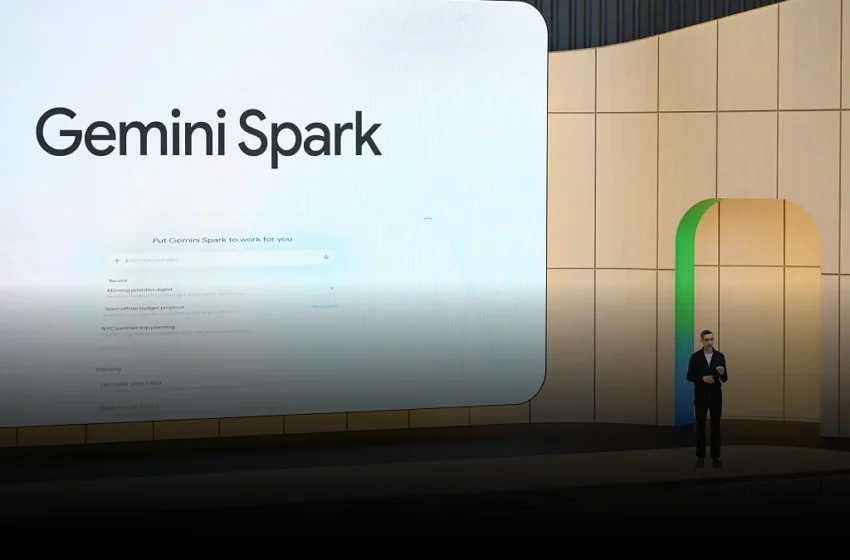
Spark, initially unveiled at Google’s annual developer conference, promised the agentic functionality of systems like OpenClaw without the need to keep a machine ‘awake’ – a subtle dig at competitors that often translates into a superior user experience. CEO Sundar Pichai quipped, "yes, you can close your laptop." But this technical elegance struggles against a relentless march of new Google AI monikers. Why is a useful set of features branded as a distinct product, a "switch to Spark" toggle, when it clearly belongs under the broader Gemini brand? This isn’t just a marketing oversight; it’s a symptom of a deeper, structural implication within Google, where internal teams appear to operate in silos, each pushing their own distinct AI offering, ultimately diluting the potential impact of genuinely useful agentic capabilities for an already weary consumer market.
The Promise and Peril of Proactive AI
The allure of an AI that actively manages tasks, rather than just responds to queries, is undeniable. Spark excels where most personal assistants flounder: proactive information synthesis. Perez successfully tasked it with everything from compiling personalized shopping lists with coupons to suggesting local activities based on calendar availability. The system managed to find a local "Beaver Queen Pageant" and offered to summarize newsletters, presenting four articles from her inbox where five were requested – a minor quibble against the background noise of internet information overload. This is where agentic AI moves beyond chatbot novelty and into genuine, measurable impact on personal productivity.
Yet, the system’s limitations expose critical gaps in Google’s ecosystem integration. The inability to interface with Google Keep, a cornerstone note-taking app, is not merely an inconvenience; it’s a baffling omission for a tool marketed towards "personal productivity." Similarly, the reliance on Google’s own services means Spark falls short when users need it to interact with external platforms like Resy for restaurant bookings or preferred flight aggregators. The incentive for Google, of course, is to keep users within its walled garden, pushing its own services over external ones. But this closed-loop strategy, while benefiting Google’s ad revenue and data collection, significantly restricts Spark’s potential to truly "navigate your digital life" comprehensively, especially for those who refuse to live entirely within Google’s universe. It becomes a powerful Google assistant, not a universal digital agent.
The Long Shadow of Android: Fragmented Futures
The branding quagmire surrounding Gemini Spark isn’t new; it echoes a long-standing challenge for Google in consumer software: fragmentation. From messaging apps to virtual assistants, the company has a history of launching overlapping products, confusing users, and then consolidating or abandoning them. This perpetual cycle of launch, rename, and merge ultimately undermines user trust and adoption more than any technical bug. Why invest time learning a new Google AI tool when its name, scope, or even existence might shift next year? The lack of iPhone hardware integration – requiring users to launch the Gemini app, then navigate to a Spark toggle – further complicates adoption for a significant portion of the global smartphone market. This isn’t just about Apple’s ecosystem; it’s about Google’s struggle to deliver a seamless, platform-agnostic AI experience that doesn’t demand constant mental load from its users.
The most skeptical observation here is that Google is less interested in building a truly unified, intelligent agent and more in simply layering AI on top of every existing product, then hoping a new brand name will differentiate it. Spark’s solid performance on individual tasks confirms the underlying AI models are robust. The problem isn’t the technology; it’s the company’s inability to present that technology as a coherent, indispensable service rather than a collection of features with ephemeral branding. Until Google can streamline its AI offerings into a single, cohesive user experience, even its most useful agentic innovations will remain useful yet niche, struggling for widespread adoption outside the confines of its dedicated app ecosystem. The global market, accustomed to simplicity and integration from companies like Apple and even Meta, is unlikely to tolerate a continued alphabet soup of AI products.
