
Musk’s Advertising ‘War’ on X Ends in Quiet Retreat, Not Victory
- Software
Arjun Vedanta
- 0
- 5 minutes read
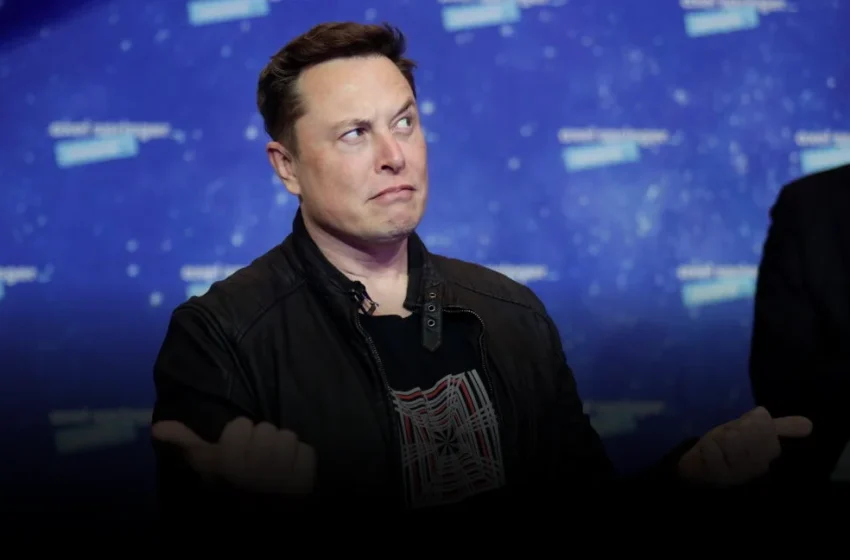
Musk’s Pyrrhic Victory Over Brand Safety
$1.5 billion. That’s the estimated revenue X lost by the end of 2023, a direct consequence of advertisers fleeing the platform. This wasn’t a market downturn; it was a deliberate, collective choice by brands, driven by concerns over content moderation and brand safety. Now, Elon Musk’s X has quietly settled its high-profile lawsuit against the World Federation of Advertisers (WFA), the very body he once declared ‘war’ against, and whose members he suggested should face criminal charges. The abrupt retreat from what Musk framed as an existential battle for ‘free speech’ reveals a profound miscalculation about how the digital advertising ecosystem actually functions.
Musk’s approach, characterized by the dismissive directive to advertisers to ‘go fuck yourself’ eight months before declaring ‘it is war’ and initiating legal action in 2024, was a brazen attempt to strong-arm corporations. He sought to compel them, via the courts, to subsidize a platform evolving into his vision of an unfettered ‘global town square.’ But brands, unlike individual users, operate under fiduciary duties and reputational imperatives. They aren’t merely seeking eyeballs; they’re seeking brand-safe environments where their messages resonate without being juxtaposed against hate speech, misinformation, or extremist content.
The joint statement from X and the WFA, blandly noting they are ‘putting the litigation involving the Global Alliance for Responsible Media (GARM) behind them,’ offers a clinical facade. But the very language of ‘settlement’ itself, in this context, is a corporate euphemism for a strategic retreat, a quiet acknowledgement that the courts were not going to force multi-billion dollar brands to fund a platform they no longer deemed safe. It is a stunning capitulation, underscoring that even the most powerful individuals cannot simply dictate the terms of engagement to an entire industry built on risk assessment and programmatic buying.
The Illusion of Platform Autonomy
This episode highlights a critical structural implication that Silicon Valley reporters, often caught in the daily drama of executive pronouncements, frequently miss: the illusion of absolute platform autonomy. For years, social media companies benefited from a narrative of disruption, positioning themselves as outside the old rules. But the reality is that the internet, for all its revolutionary potential, remains inextricably linked to traditional economic incentives and the mundane requirements of enterprise. Advertisers, particularly those engaged in high-volume digital advertising, are not ideological foot soldiers; they are pragmatic businesses.
When Elon Musk took over Twitter, now X, he dismantled much of its content moderation infrastructure, citing a commitment to ‘free speech.’ What he seemingly failed to grasp was that this move directly contradicted the foundational principles of brand safety that the WFA, GARM, and countless ad tech firms have spent years codifying. The consequence was immediate and predictable: a mass exodus of major advertisers. This wasn’t censorship; it was market correction. Brands simply rerouted their advertising spend to platforms perceived as less risky, impacting X’s revenue by a staggering $1.5 billion.
The timing of this settlement isn’t arbitrary; it reflects X’s desperate need to stabilize its advertising business and project an image, however thin, of reconciliation. For the WFA, a settlement allows them to avoid prolonged legal battles and reinforce the industry’s commitment to brand safety principles, signaling that collective action can indeed exert significant leverage over platform policies without needing a legal precedent to affirm it. This move solidifies the idea that even platforms positioned as ‘public squares’ must ultimately adhere to the economic realities dictated by their largest revenue sources.
Reckoning with Reality: X’s Future in Digital Advertising
Musk’s vision for X as a ‘free speech’ absolutist platform, unburdened by content moderation, collided head-on with the global consensus among advertisers regarding acceptable content thresholds. The settlement isn’t just about X and the WFA; it’s a stark reminder to every platform owner that alienating your primary revenue stream has swift and severe consequences. The underlying incentive here is brutally clear: without advertisers, X struggles to survive as a profitable enterprise, regardless of its owner’s personal convictions or legal threats.
What’s truly remarkable is not that X lost advertisers, but that Musk believed he could sue them back. This legal maneuver was an expensive, public attempt to redefine the terms of engagement, yet it resulted in a quiet retreat. It forces X to reckon with the market. Moving forward, X faces an uphill battle to regain trust, not just from the WFA and its members, but from the broader digital advertising industry. Rebuilding an ad sales team, convincing agencies, and demonstrating a credible commitment to brand safety will require more than just a joint statement; it will demand a fundamental shift in platform governance and a clear, consistent moderation strategy.
The lesson from this protracted, and now quietly concluded, ‘war’ is clear: while powerful individuals can acquire platforms, they cannot unilaterally redefine the rules of commerce that underpin them. The pragmatic demands of brand safety, driven by the collective will of advertisers, proved to be a more formidable force than even Musk’s most aggressive litigation. The market, it turns out, always has the final word.
