
Oman Drone Rescue: A Public Display of US Naval AI Strategy, Not Just Heroics
- Artificial Intelligence
Arjun Vedanta
- 0
- 5 minutes read
A New Doctrine Unveiled in the Arabian Sea
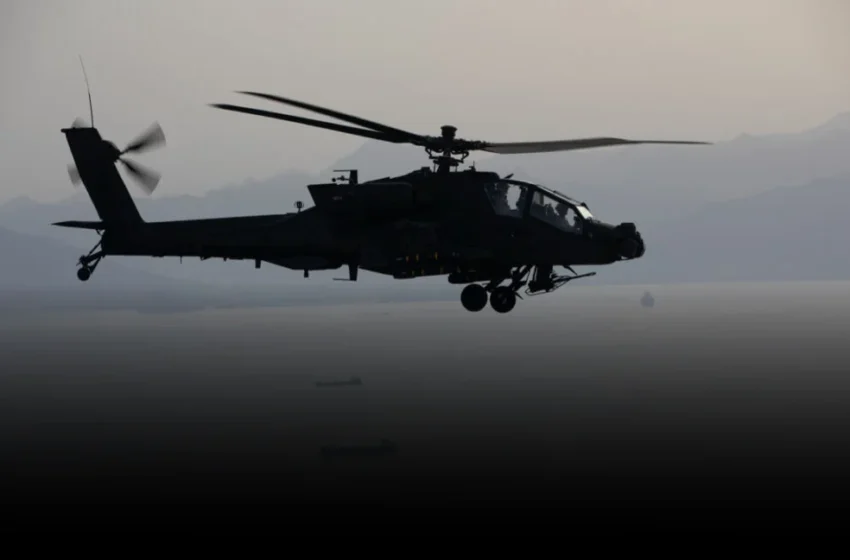
The rescue of two US Army Apache pilots by an uncrewed surface drone off the Omani coast on June 8th was not merely a feel-good story about technological ingenuity saving lives. It was a carefully orchestrated, public demonstration of a profound strategic shift underway within the United States military, particularly the Navy, to integrate autonomous systems and artificial intelligence directly into its operational doctrine for critical global flashpoints. While the initial reports rightly highlighted the humanitarian success—the first time a US military drone had performed such a sea rescue—the real story lies in what this event signifies about the future of naval power projection and risk management.
This wasn’t an isolated, improvised act of heroism. It was a calculated validation of years of investment and doctrinal development, executed by the US 5th Fleet’s Task Force 59. This specialized unit, based in Bahrain, exists precisely to integrate uncrewed aerial, surface, and underwater vehicles, alongside AI, into maritime operations. The Strait of Hormuz, where this incident occurred, is one of the world’s most sensitive shipping lanes, perpetually fraught with geopolitical tension. That a new capability was showcased here, during an active emergency, speaks volumes.
AI and Autonomy: The Unseen Architect of Risk Reduction
The immediate narrative centered on the lives saved, and rightly so. Yet, underneath this commendable outcome lies a colder, more strategic calculus. Why is this announcement happening now, and who benefits from this framing? The US military benefits from demonstrating its prowess in a highly public, yet benign, manner. This rescue serves as compelling proof-of-concept for its ambitious plans to deploy autonomous systems extensively, particularly in regions where conventional presence can be costly or politically fraught.
Integrating uncrewed surface vehicles (USVs) into frontline operations is not just about extending reach; it’s about altering the risk profile for personnel. A USV can patrol dangerous waters, conduct reconnaissance, or even participate in intercept missions without placing human sailors directly in harm’s way. This incident provides a positive, non-combative example of that benefit, easing public perception while validating the technology’s reliability under pressure. It subtly shifts the conversation from hypothetical ethical dilemmas of autonomous weapons systems to the practical, life-saving applications of maritime automation.
The push for such autonomy is driven by a clear incentive: maintaining strategic superiority and operational flexibility in a world where peer competitors like China are also rapidly advancing their own autonomous capabilities. The ability to deploy persistent, networked sensors and effectors across vast ocean expanses, without the logistical footprint or human vulnerability of traditional fleets, represents a significant force multiplier. This isn’t merely an upgrade to existing search-and-rescue protocols; it’s a foundational shift in how naval power is envisioned and projected.
Global Implications for Maritime Power and Deterrence
This event sends a clear message beyond the immediate rescue. It signals to adversaries and allies alike that the US Navy is not just talking about the future of warfare; it is actively fielding it in real-world scenarios. Other global powers, particularly those with significant naval ambitions, will be observing closely. The integration of advanced sensors, machine learning algorithms, and resilient communication networks into unmanned maritime systems creates a new layer of deterrence and intelligence gathering.
Consider the broader context: the persistent tensions in the South China Sea, the evolving dynamics in the Black Sea, or the intricate challenges of coastal surveillance. A successful drone rescue in the Strait of Hormuz suggests that the US Navy’s autonomous platforms are ready for a wider array of missions, from humanitarian aid to, eventually, combat support. This demonstration serves as a public validation of years of quiet investment in robotics, edge computing, and AI command and control systems, positioning the US at the forefront of the naval automation race.
Ultimately, the drone that plucked those pilots from the water did more than save lives. It broadcast, in unambiguous terms, the dawning reality of AI-driven naval operations. This subtle, almost understated, display of capability will reverberate through military academies and defense ministries globally, shaping procurement strategies and tactical doctrines for decades to come. The era of the truly autonomous warship, guided by artificial intelligence, is no longer a distant sci-fi fantasy; it is slowly but surely becoming an operational reality, piece by piece, rescue by rescue.
