
Plex’s Costly Pivot: How Lifetime Passes Became a Paradox for Personal Media
- Software
Arjun Vedanta
- 0
- 6 minutes read
The Illusion of ‘Lifetime’ in a Subscription Economy
As of July 1, 2026, the price of a Plex Lifetime Pass will soar to $750, a dizzying 200 percent increase from its current $250. This isn’t merely a price adjustment for inflation or added features; it’s a direct, almost aggressive, declaration of war on the very concept of a one-time purchase in a software-as-a-service world. Plex, the company that once built its loyal user base on the promise of owning your media experience, is actively trying to extinguish that flame without blowing it out entirely.
The move is a blunt instrument designed to herd users towards recurring revenue streams, demonstrating a profound tension within Plex’s business model. They admitted, quite plainly, that they have "considered eliminating the Lifetime Plex Pass in the past, given that recurring subscriptions help us sustain long-term development." Yet, they didn’t eliminate it. Instead, they’ve repriced it into near-irrelevance for all but the most dedicated — or perhaps, defiant — users, forcing an untenable choice between exorbitant upfront cost and an indefinite subscription.
Plex’s Shifting Sands: From Server to Streamer
For over a decade, Plex has navigated a complex evolution. Launched in 2012, the Lifetime Pass was a modest $75, appealing directly to digital media archivists and enthusiasts who valued control over their content. Subsequent price hikes — to $150 in 2014, then to $250 in March 2025 — were already signals of an internal struggle. The current leap to $750 makes the intent undeniable: Plex wants you on a subscription.
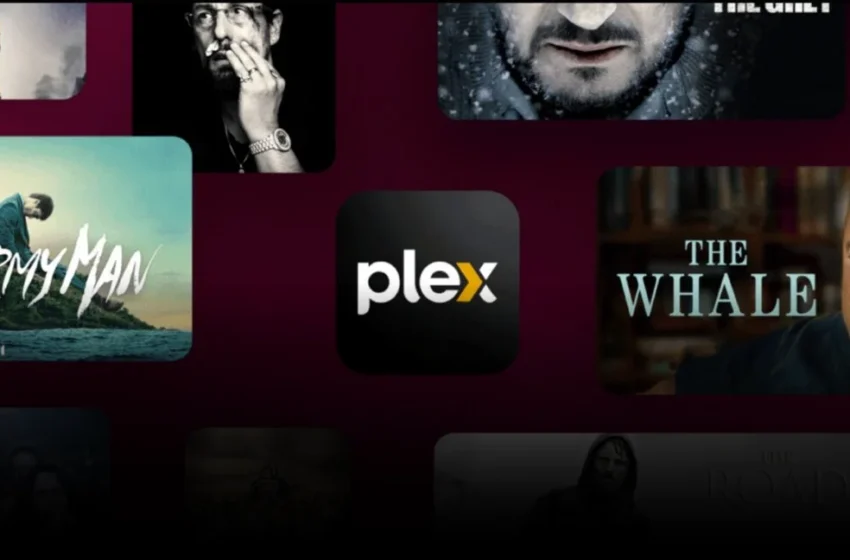
The rationale, as articulated by Plex, centers on sustaining development and reflecting the "real, ongoing value" of its software. This narrative conveniently sidesteps the fundamental shift in Plex’s strategic direction. The company isn’t just maintaining a media server; it’s aggressively pursuing a broader streaming service play, complete with free ad-supported TV (FAST) channels, movie rentals, and even social features. This expansion, while costly, has seen results: Scott Hancock, then Plex’s VP of marketing, stated in 2023 that since 2022, more users engaged with Plex’s online streaming offerings than its original media server capabilities. The incentive for this staggering price hike is clear: monetize the dwindling, yet passionate, segment of self-hosters while simultaneously pushing them towards the more profitable subscription model that underpins its future ambitions.
This isn’t an uncommon trajectory for tech companies that start with a niche, passionate user base and then seek broader market appeal. However, few execute such a radical re-evaluation of their core value proposition with such a visible contradiction baked into their pricing. It’s an open acknowledgment that the "lifetime" model, once a cornerstone, is now a liability in its financial spreadsheet.
The Cost of Compromise: What Plex Loses
This aggressive pricing strategy, particularly for an offering framed as a "lifetime" purchase, reveals a deeper structural implication: Plex is actively alienating its most dedicated, early-adopter user base. These are the users who championed the platform when it was primarily a sophisticated local media server. They invested time and effort in curating their personal libraries, often running powerful hardware to serve content. The new pricing structure, which demands 11 years of annual subscriptions to break even on a Lifetime Pass, effectively tells these users that their loyalty is less valuable than their recurring revenue potential.
The skeptical observation here is that Plex, by attempting to straddle two fundamentally different business models – a one-time purchase for personal media and a recurring subscription for curated streaming – risks undermining both. Users committed to self-hosting will feel betrayed, fostering resentment and driving them towards open-source alternatives like Jellyfin or community-driven projects such as Kodi. Those seeking a pure streaming experience, meanwhile, will compare Plex’s nascent offerings against established giants like Netflix or Disney+, often finding it lacking in content depth, despite its ad-supported channels.
Consider the perception. A company that kills free remote streaming and redesigns its app controversially, then admits to mulling the end of lifetime passes, and finally prices them into the stratosphere, isn’t building goodwill. It’s signaling a transactional relationship where user sentiment is secondary to quarterly reports. The ‘ongoing value’ Plex cites isn’t about the user’s perception of value, but rather Plex’s internal cost structure, heavily influenced by its expansion into a competitive and costly streaming content space.
The Long Game: Who Benefits from This Repricing?
The short-term beneficiaries are obvious: Plex’s balance sheet, as it converts high-value users into annual subscribers or captures a rare, exceptionally high one-time payment. The long-term implications, however, are far more nuanced. This move positions Plex more squarely as a streaming service provider, reducing its reliance on the complex, support-intensive personal media server segment. It streamlines their product messaging, allowing them to focus marketing efforts on the "easy consumption" aspect of streaming rather than the "complex self-hosting" reality of their origins.
This shift also subtly benefits rival platforms that have remained true to the self-hosting ethos. Jellyfin, for instance, thrives on its open-source, community-driven development, offering a stark contrast to Plex’s increasingly commercialized approach. Emby, another competitor, also offers a lifetime pass, though at a significantly lower price point, making it a more attractive option for those seeking a one-time investment in a private media server solution. Plex’s move implicitly validates the concerns of users wary of vendor lock-in and the erosion of control over their digital lives.
Ultimately, Plex is making a calculated bet: that the future of media consumption, even for personal libraries, lies in a subscription model, and that the segment of users willing to pay $750 upfront is either shrinking or so affluent that they won’t blink. For those of us observing from outside the Silicon Valley echo chamber, it looks less like innovation and more like capitulation to the prevailing, and increasingly unpopular, subscription orthodoxy that has come to define the digital age.
