
Project Solara: Microsoft’s Android Bet on AI Agents is a Platform Play to Recapture Control
- Artificial Intelligence
Arjun Vedanta
- 0
- 4 minutes read
Microsoft’s Platform Obsession, Redux
Microsoft’s Project Solara, unveiled with characteristic fanfare at Build 2026, isn’t just another operating system; it’s a profound strategic declaration. Positioned as an Android-based OS built explicitly for AI agents rather than conventional apps, Solara represents Microsoft’s most overt attempt yet to re-architect its relationship with future computing devices. This isn’t merely about technological evolution; it’s a direct, almost desperate, play for platform control, a quest that has defined and, at times, undermined Microsoft’s ambitions for decades.
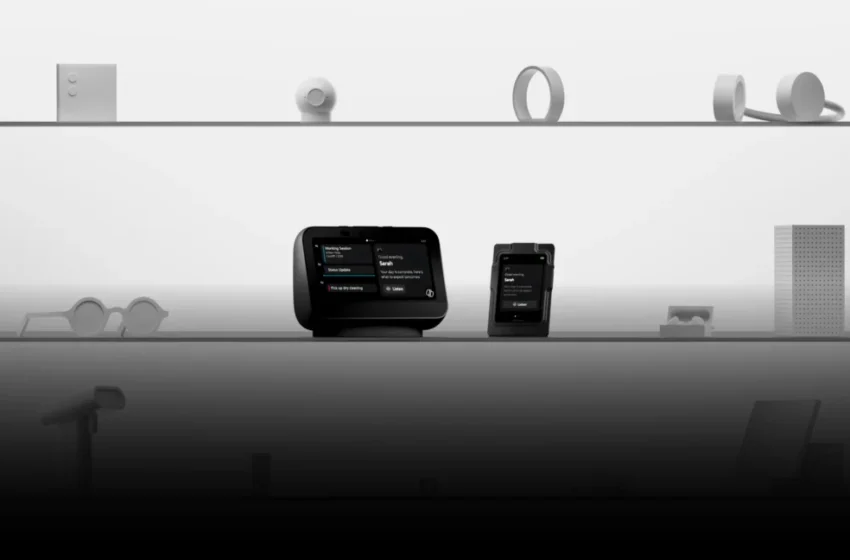
The company’s messaging frames Solara as a ‘chip-to-cloud’ solution designed to liberate AI agents from the constraints of single interfaces, running on ‘myriad specialized devices’ with ‘interfaces generated on the spot.’ While the vision of seamless, AI-driven interactions across diverse form factors is compelling, the underlying motivation is starkly clear. Microsoft, having famously stumbled repeatedly in the shift to mobile computing — remember Windows Phone, or its repeated struggles with app availability and ecosystem lock-in — cannot afford to be a mere software vendor in the age of generative AI. Solara is a prophylactic against future irrelevance, an attempt to own the foundational layer before Google or Apple define it.
The Shifting Sands of AI Ecosystem Dominance
This isn’t a purely domestic Silicon Valley squabble. Microsoft’s push into an Android-based AI OS has significant global implications, particularly in markets where Android already dominates hardware from Samsung, Xiaomi, and countless smaller players. Project Solara isn’t a direct competitor to Android itself, but rather an overlay, a specialized derivative designed to carve out a distinct niche for AI-centric experiences. This positions Microsoft not against Google’s existing mobile OS, but against its potential future AI-first operating systems, like those Google might develop for nascent ambient computing or specialized hardware.
The real battle here is for the developer ecosystem and the allegiance of device manufacturers. By offering a bespoke, ‘agent-first’ Android variant, Microsoft seeks to build a new set of developer tools and paradigms that bypass the traditional app store model. It’s a calculated risk: can Microsoft convince hardware partners to embrace Solara as the operating system for their next-generation AI devices, rather than relying on standard Android or developing proprietary solutions? The promise is reduced complexity and cost for specialized form factors, but the underlying subtext is an invitation to join Microsoft’s walled garden for AI. While Microsoft frames Solara as freeing agents from single interfaces, one must question if this ‘freedom’ is merely a redirection into Microsoft’s own controlled ecosystem, echoing past attempts to commoditize software while owning the underlying platform.
Beyond Apps: Redefining Digital Agency and Control
The concept of ‘agents instead of apps’ is potent, hinting at a future where software isn’t siloed into discrete, user-launched applications but rather becomes an ambient, context-aware intelligence. However, this raises profound questions about digital agency, data governance, and the very nature of user interaction. If interfaces are ‘generated on the spot’ by AI models, who dictates their design, their biases, and their commercial imperatives? This becomes particularly salient when considering the ‘explosive intelligence of models that Microsoft and others insist will soon exist’ — a phrase that carries an almost religious certainty.
The timing of this announcement, amidst a global scramble for AI dominance, clearly serves Microsoft’s long-term goal of preventing a repeat of the mobile era, where its powerful backend services became largely subservient to rival operating systems, denying it crucial revenue streams and user data control. Solara offers a vision where Microsoft could become the primary orchestrator of intelligent interactions, not just a provider of foundational generative AI models. This extends beyond consumer devices into industrial IoT, robotics, and and other edge computing domains, creating a unified developer story and data pipeline that flows directly back to Redmond’s cloud infrastructure. This isn’t just about AI; it’s about re-establishing the kind of architectural dominance that defined Microsoft’s PC era, but this time, across a universe of intelligent, interconnected agents.
