
Roku’s Bold Price Hikes Signal a Risky Platform Pivot
- Software
Arjun Vedanta
- 0
- 5 minutes read
The Disappearing Gateway Drug Model
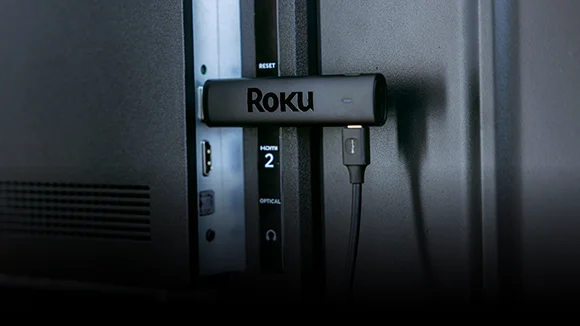
Roku is hiking the price of its Streaming Stick 4K by a staggering 60 percent, pushing it to $80, with similar increases across its entire hardware lineup. This isn’t merely an inflationary adjustment; it marks a significant strategic pivot for a company that built its empire on affordable, accessible hardware, effectively turning any television into a smart TV. For years, Roku’s inexpensive devices—often sold at razor-thin margins, if not a loss—acted as a ‘gateway drug,’ hooking users into its advertising-driven ecosystem.
The price increases are substantial: the standard Streaming Stick jumps from $30 to $40, the Streaming Stick Plus from $40 to $60, and even the high-end Roku Ultra sees a 50 percent bump from $100 to $150. Even a bundle with a Streaming Stick Plus and a Fox One subscription, previously $25 on sale, now lists for $45. This aggressive repricing, confirmed by updates to Roku’s own website where former MSRPs are now framed as ‘sale prices,’ suggests a deliberate re-evaluation of how the company values its physical products within the broader streaming ecosystem.
This move suggests Roku, long the default ‘dumb TV’ transformer, believes its brand loyalty and advertising revenue stream are robust enough to withstand ceding market share in the budget hardware segment to Amazon and Google. The implicit calculation is that platform stickiness and connected TV (CTV) advertising revenues will offset any potential dip in device sales, a gamble that could prove costly as consumers become increasingly discerning about streaming hardware value.
Roku’s Revenue Rebalancing Act
The core implication here is that Roku is fundamentally re-evaluating its revenue mix. For much of its history, the hardware was a means to an end: securing eyeballs for its lucrative advertising platform. In Q2 2023, Roku reported $414 million in platform revenue, dwarfing its $97 million in device revenue. This disparity highlights where the company’s real profitability lies and provides the incentive for this announcement now.
The timing, amid cooling digital ad markets and increasing content licensing costs for the Roku Channel, points to an urgent need to extract more revenue from every possible stream, even if it means alienating a segment of its price-sensitive user base. Relying less on hardware sales as a primary growth driver frees Roku to focus on cultivating its existing user base for ad-supported video on demand (AVOD) and premium subscription partnerships, which generate significantly higher margins.
However, this shift also tacitly admits that the race to secure initial user acquisition through hardware is nearing its saturation point in key markets. Instead of fighting tooth and nail in the sub-$50 device segment, Roku appears to be consolidating its position among users already invested in its platform, or at least those willing to pay a premium for what it perceives as a superior user experience. This strategy, while potentially bolstering average revenue per user (ARPU) among new device purchasers, risks accelerating churn rates among those looking for the cheapest entry point into streaming.
Navigating the Platform Wars
In a world where Amazon’s Fire TV Stick often sells for under $30 during promotional periods and Google’s Chromecast offers compelling features at competitive price points, Roku’s higher prices could push budget-conscious consumers directly into the arms of its fiercest competitors. Apple TV, while premium, offers a different value proposition entirely, often integrated with its hardware and services ecosystem.
The streaming landscape is not static; it is a battleground of device fragmentation and platform exclusivity. Roku’s former strength was its neutrality—a Switzerland of streaming that aggregated virtually every major service. This neutrality, combined with affordable hardware, created a formidable network effect. Raising hardware prices dilutes that initial appeal, potentially eroding the very user base that makes its platform so valuable to advertisers.
One might wonder if Roku’s significant investment in its own content via the Roku Channel, which has seen impressive growth, is now perceived as a strong enough differentiator to justify a higher hardware barrier. The company is betting that the quality of its user interface, the breadth of its content aggregation, and the familiarity of its brand are sufficient to retain users, even when the entry fee increases. This is a considerable gamble. For international markets, where price sensitivity can be even more acute, this strategy could be particularly challenging, potentially hindering Roku’s global expansion ambitions.
Ultimately, these price increases aren’t just about covering rising component costs or inflation. They are a definitive statement about Roku’s long-term vision: a future where the device is no longer the primary differentiator, but rather a conduit for a robust, advertising-fueled platform. The question is whether enough consumers will agree to pay more for that conduit when cheaper alternatives from tech giants are so readily available.
