
Sam Altman’s AI Parenting Push: Undermining Trust in the Age of Algorithms
- Artificial Intelligence
Arjun Vedanta
- 0
- 5 minutes read
The Commodification of Connection
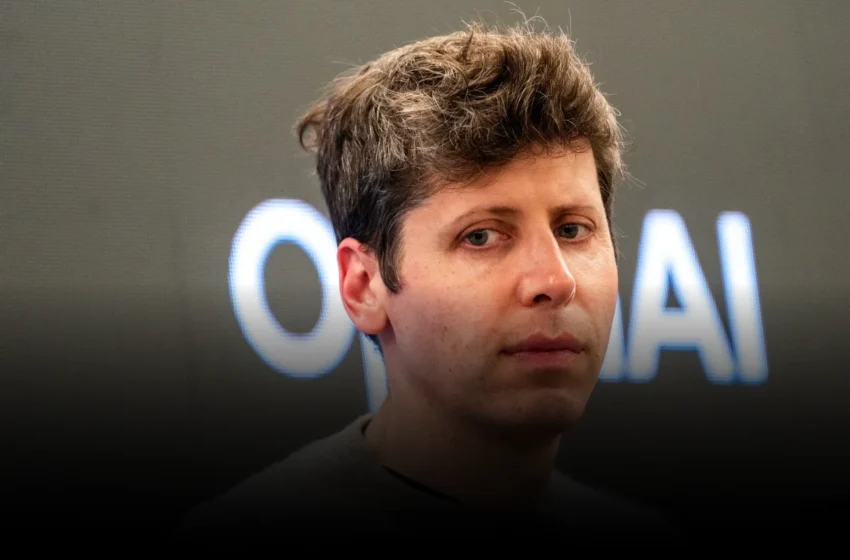
Nine thousand reposts and 122,000 likes for Alex Hirsch’s simple retort to Sam Altman’s latest AI parenting pitch speak volumes. OpenAI’s CEO recently floated the idea of ChatGPT Work assembling bespoke morning podcasts for children, a blend of calendar items and news designed to “explain your kids’ interests.” The immediate and overwhelmingly negative public response wasn’t just about an awkward product suggestion; it exposed a gaping chasm between Silicon Valley’s ambitious vision for AI integration and the fundamental human need for authentic connection, particularly within families.
This isn’t merely a gaffe; it’s a symptom of a deeper, structural misunderstanding of what makes human relationships work, and what trust truly means when technology inserts itself into our most intimate spaces. Altman’s suggestion, where an AI synthesizes a child’s soccer game with an upcoming birthday for a morning commute podcast, follows a clear pattern. This is not his first foray into the AI-as-parent narrative; he publicly stated on “The Tonight Show with Jimmy Fallon” that he couldn’t imagine raising a newborn without ChatGPT.
This perspective isn’t unique to OpenAI. Meta, for instance, is actively testing an AI-powered app that generates bedtime stories, directly targeting another cherished, intimate ritual. What these moves reveal is a profound inclination within big tech to identify any friction, any inefficiency, any “messiness” in human experience, and then propose an AI solution. The underlying assumption is that personal presence and spontaneous interaction are optional, perhaps even suboptimal, when faced with an algorithm’s curated efficiency. This vision commoditizes human interaction, framing parental engagement as a problem to be optimized rather than a complex, irreducible act of love and attention.
Trust Deficits and Unintended Consequences
The public’s immediate, visceral recoil to Altman’s podcast idea, vividly encapsulated by Hirsch’s “What if you just talked to your children?” question, highlights a growing trust deficit. People are not just skeptical of AI’s capabilities; they are wary of its intentions, particularly when it seeks to mediate the most sensitive human bonds. The push to integrate AI into parenting, framed as convenience or assistance, comes despite very real, serious allegations.
OpenAI itself faces multiple lawsuits from parents and families who claim ChatGPT contributed to loved ones’ delusions and suicides. While OpenAI states it is “continuously improving how our models respond in sensitive interactions,” the juxtaposition of developing “trust-sensitive consumer experiences for parents and families” (as per a recent job listing) with ongoing legal challenges creates a significant credibility gap. It raises the critical question: who benefits from framing these deeply personal acts as ripe for AI intervention? The answer, unequivocally, points back to the companies seeking new monetization avenues and data streams from the most intimate corners of our lives.
This pursuit of automating emotional labor fundamentally misjudges the global public’s willingness to outsource affection to an algorithm, particularly in cultures where familial bonds are already under immense social and economic pressure. This isn’t about AI being ‘bad’; it’s about a fundamental miscalculation of its appropriate domain. Satya Nadella’s anecdote about replacing human-created podcasts with AI summaries during his morning commute earlier this year echoed a similar desire for frictionless information consumption, sidestepping the creator-listener relationship entirely. These are not isolated incidents but part of a broader pattern of AI evangelism that often conflates utility with genuine value, particularly in areas demanding empathy and presence.
The Global Perspective on AI & Intimacy
From my vantage point covering global tech for over a decade – from Geneva to Singapore to London – the Silicon Valley echo chamber often misses these crucial cultural nuances. The assumption that hyper-efficiency and automated personalization will universally appeal to parents ignores diverse societal values regarding family, privacy, and technology’s role in daily life. In many parts of the world, family engagement is less about “optimizing” a drive to school and more about preserving unmediated moments, however imperfect, as cornerstones of development and connection.
The very notion of outsourcing a child’s birthday announcement to an algorithm would be met with profound cultural discomfort, if not outright offense, in communities valuing direct, uncurated human interaction above all else. This isn’t just about a product; it’s about a philosophical stance on humanity’s future, one that frequently clashes with global expectations of what makes us human. The ongoing debate around data privacy, child digital welfare, and algorithmic bias further complicates this picture, making trust-building far more complex than adding a few “safety features.” The push for these AI parenting tools often feels less like an earnest attempt to solve a widely acknowledged problem and more like a desperate search for the next massive consumer market, irrespective of genuine human need or societal readiness for such an intrusive shift in familial dynamics.
