
Seedcamp’s $320M Raise: A European VC’s Quiet Defiance of Global Tech Narratives
- Startups
Arjun Vedanta
- 0
- 5 minutes read
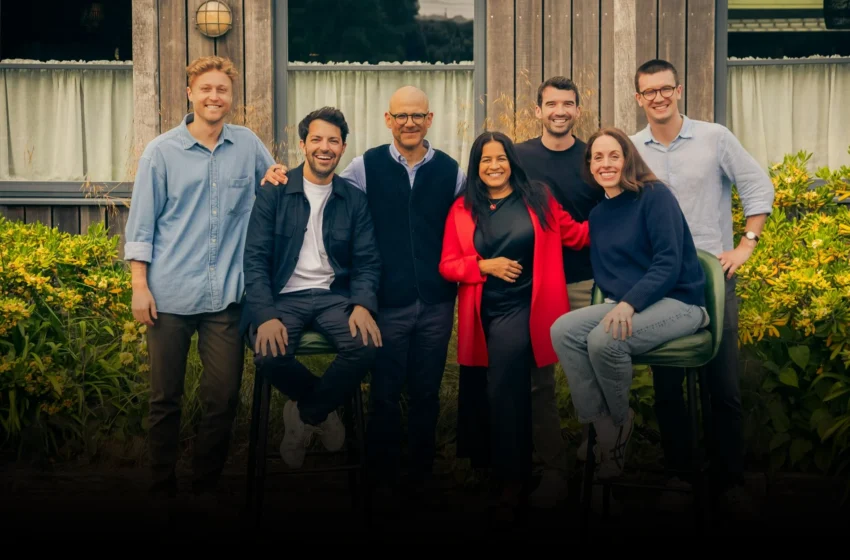
Europe’s Underestimated Tech Resilience
Seedcamp, the London-based early-stage venture capital firm, has just closed two new funds totalling $320 million. This isn’t just another fundraise; it’s a defiant whisper in a global tech market currently screaming about tightened belts and valuation corrections. While US-centric narratives obsess over declining mega-rounds and the implosion of late-stage growth, Seedcamp’s success underscores a critical, often overlooked, divergence in the venture capital landscape, especially for early-stage companies rooted in Europe.
For years, Silicon Valley has acted as if it possesses a gravitational pull, dictating the terms and trends for the global tech ecosystem. The common wisdom assumes that when capital tightens, it retreats to familiar shores, leaving ‘peripheral’ markets like Europe vulnerable. Yet, Seedcamp, known for its early bets on global fintech giants like Revolut and Wise, along with enterprise automation leader UiPath, continues to attract substantial capital. This isn’t merely about finding good companies; it’s about validating a different model of company building and, crucially, a different kind of investor confidence.
The current environment, marked by rising interest rates and geopolitical jitters, has spooked many limited partners (LPs). We’ve seen a clear shift from growth-at-all-costs to profitability-first. In this climate, why are LPs pouring hundreds of millions into an early-stage European fund? The answer likely lies in a combination of proven track record and a growing recognition that European tech, far from being a junior partner, offers distinct advantages that US investors, often blinded by their own market’s scale and self-referential cycles, consistently miss.
Beyond Silicon Valley’s Echo Chamber
The US tech press, fixated on its own backyard, often fails to grasp the nuances of building globally competitive tech companies from a fragmented, diverse continent like Europe. Seedcamp’s portfolio companies, from Revolut’s aggressive international expansion in challenger banking to Wise’s disruption of cross-border payments, weren’t built on purely domestic market dominance. They learned to navigate complex regulatory landscapes, cultural differences, and multiple currency systems from day one. This inherent ‘global-first’ mindset, born out of necessity in Europe, creates a different kind of resilience and product market fit.
Consider the incentive here: Seedcamp and its LPs are doubling down on early-stage European tech because the potential for outsized returns remains robust, particularly for firms that can identify and nurture founders who understand this multi-market reality. While US startups often achieve billion-dollar valuations purely within the American market before contemplating internationalization, European counterparts are forced to think broader sooner. This isn’t a weakness; it’s a strategic advantage, fostering companies with robust, diversified revenue streams and a deeper understanding of global customer needs.
This fundraise signals a quiet but powerful contrarian view. When everyone else is talking about a ‘funding winter,’ Seedcamp’s LPs are essentially saying that the chill hasn’t hit the truly promising European seed rounds. The market’s current volatility might even be an advantage, reducing competition for deals and allowing for more favourable entry valuations for savvy early-stage investors. This observation cuts against the prevailing wisdom that all capital pools shrink uniformly during a downturn; instead, it reveals a strategic reallocation towards perceived stability and differentiated growth opportunities.
The Enduring Value of European Incubation
Seedcamp’s commitment to early-stage European startups, backed by this fresh capital, reinforces the idea that Europe is more than just a talent pool for US tech giants. It is an incubator for independent, world-class innovation. The firm’s ability to consistently back companies that go on to achieve significant global scale – with names like Revolut, Wise, and UiPath as powerful examples – demonstrates that the continent’s ecosystem has matured far beyond its nascent days.
The firm has supported over 450 companies since its founding, building a deep network and expertise in an often-underserved market segment. This long-term commitment, reflected in its impressive track record, speaks volumes to LPs who are increasingly scrutinizing performance and durability. While the $320 million figure is substantial, it’s not about flashy mega-deals. It’s about a sustained, targeted investment strategy aimed at the very foundations of the tech economy.
Ultimately, Seedcamp’s latest fundraise serves as a potent reminder that the global tech narrative is far more complex than the headlines from Sand Hill Road suggest. There are distinct, valuable ecosystems thriving independently, building companies that aren’t just ‘European versions’ of US success stories, but global powerhouses in their own right. For intelligent, skeptical readers who follow the industry closely, this is a signal to look beyond the immediate headlines and consider where the long-term, structural value is truly being built – often, it’s quietly emerging from places the dominant narratives tend to overlook.
