
The Brittle Foundation of the Smart Home: Hue’s Latest Glitch Exposes a Deeper Problem
- IoT
Arjun Vedanta
- 0
- 4 minutes read
The Illusion of Smart Home Reliability
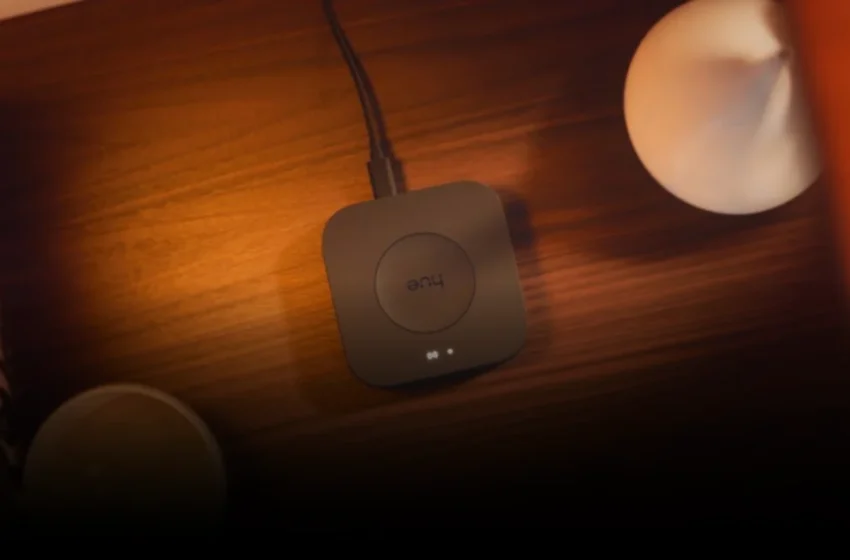
A red LED on a premium smart home hub, a firmware update gone awry — the Philips Hue Bridge Pro debacle is more than just a customer service headache. In late June, reports surfaced of these expensive devices failing after receiving firmware version 2071353020, an update Philips initially claimed would make the bridges work “better.” Instead, for an untold number of users, it rendered their central smart lighting controllers inert. While Philips’ swift offer of free replacements addresses the immediate issue for affected owners, it critically obscures a larger, more troubling truth: the fundamental fragility built into modern smart home ecosystems by opaque, mandatory software updates.
This isn’t an isolated bug report or a simple manufacturing defect; it’s a symptom of how deeply software now dictates the lifespan and functionality of hardware consumers ostensibly own. When a mandatory digital patch can brick a physical device, the line between ownership and perpetual licensing blurs significantly. The core news — that Ars Technica confirmed Philips’ firmware update bricked Hue Bridge Pro devices — highlights the immediate damage, but the structural implication is far more insidious. Consumers invest in what they believe are robust, long-term pieces of hardware, only to find their continued utility rests on a fragile, invisible layer of code controlled entirely by the manufacturer.
The incident reminds us that the promise of the smart home, often pitched as seamless integration and effortless control, frequently comes with a hidden cost: an increasing lack of user autonomy. One Reddit user, statelymachine, succinctly described their device as “bricked.” This isn’t just about a broken gadget; it’s about the erosion of the consumer’s digital rights over their physical purchases.
Who Really Controls Your Connected Devices?
The incentive for manufacturers like Philips to push mandatory updates is clear: maintain security, add features, and ensure interoperability across an ever-evolving product line. Yet, the Hue Bridge Pro incident, where an update designed to improve functionality instead destroyed it, points to a troubling gap in quality control or a broader industry complacency regarding the risks involved. There’s a cynical observation to be made here: while free replacements are a palatable immediate fix, they conveniently paper over a systemic issue where device lifecycles are dictated by vendor whim and software updates, not hardware capability.
The consumer electronics industry, particularly within the Internet of Things (IoT) space, has gravitated towards a model where hardware is merely a shell for services and software-driven features. This dependency fosters a precarious relationship. Brands retain absolute control over device functionality post-sale, often through cloud services and forced firmware updates. This control allows them to deprecate features, alter user experience, or, as we’ve seen, render devices unusable, all without the owner’s explicit consent or even foreknowledge of potential risks.
This is a challenge that extends far beyond Philips Hue. From smart speakers to thermostats, the ecosystem of connected devices creates a network where a single faulty patch can ripple outwards, disabling critical home infrastructure. It makes one wonder if some manufacturers, driven by cycles of innovation and planned obsolescence, prioritize pushing new iterations over rigorously testing updates for older, but still functional, hardware generations.
Navigating the Smart Home’s Invisible Dependencies
The true cost of the smart home isn’t just the purchase price; it’s the hidden vulnerability to external digital forces. Consumers spend hundreds, sometimes thousands, on smart lighting, security systems, and climate control, expecting them to function reliably for years. Yet, a single line of poorly tested code can nullify that investment instantly. This scenario highlights the need for greater transparency from manufacturers regarding their update policies, and perhaps, more granular control for consumers over what software gets installed on their devices.
The irony is profound: smart devices are supposed to simplify life, yet they introduce layers of digital dependency that complicate the fundamental act of owning something. As the IoT continues to expand, encompassing everything from kitchen appliances to personal health monitors, the stakes of these digital interventions will only grow. The Hue Bridge Pro problem is a small tremor, but it reveals deep structural fissures in the bedrock of our connected future.
