
The MacBook Neo’s Real Threat: Why PC Makers Are Still Missing the Point
- Tech
Arjun Vedanta
- 0
- 5 minutes read
The Folly of Chasing Price Tags
The initial flurry of panic among PC manufacturers after the MacBook Neo’s release wasn’t about a new feature or even raw performance; it was about an uncomfortable market truth suddenly laid bare. This truth is that Apple has effectively — and perhaps permanently — shifted the goalposts for what a genuinely compelling, budget-friendly laptop should offer, forcing the rest of the industry into a reactive crouch.
For years, the sub-$700 laptop market has been a wasteland of compromises. Consumers were conditioned to expect cheap plastic builds, dim screens, sluggish performance, and often, an operating system burdened with bloatware. Microsoft-backed studies attempting to compare existing PCs to the MacBook Neo often relied on deeply discounted models, exposing the inherent difficulty in finding a like-for-like competitor at Apple’s newly aggressive price point.
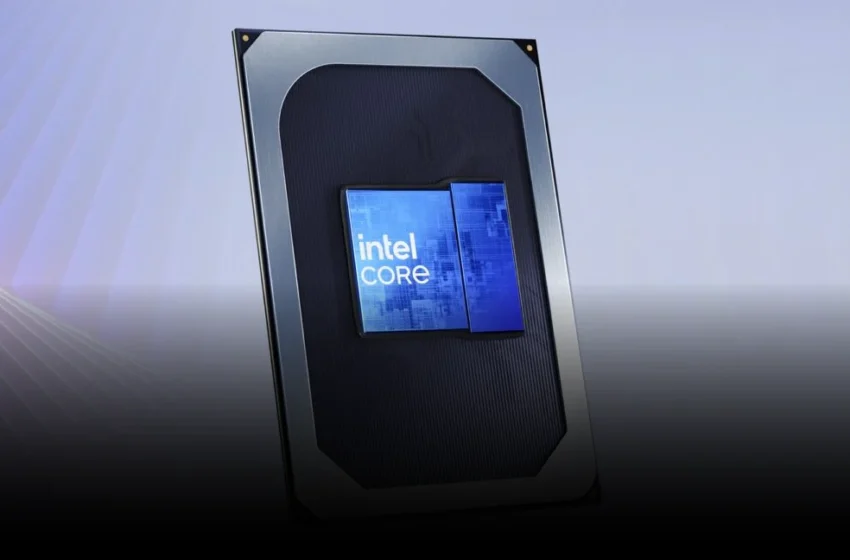
Now, the immediate response from Asus, Lenovo, and HP is to double down on Intel’s new Core Series 3 processors, codenamed Wildcat Lake. While these chips, benefiting from Intel’s 18A manufacturing process and updated architectures, represent a genuine improvement for the budget segment, the industry’s rush to match the Neo’s price point with new budget hardware is a classic example of winning a battle while losing the war for user loyalty.
The CEO of Asus, while publicly downplaying the Neo’s value, implicitly admitted surprise at its price, revealing a deeper strategic miscalculation by the wider PC industry. The problem isn’t just that Apple built a cheaper laptop; it’s that Apple built a desirable cheaper laptop, thereby redefining consumer expectation for the segment.
Intel’s New Chip: A Band-Aid, Not a Cure
Intel’s Wildcat Lake is undoubtedly an important development. After generations of rehashed, less power-efficient budget chips, a purpose-built architecture at the low end could certainly help PC makers build more competitive machines. Early announcements, particularly for the Chinese market, hint at Lenovo’s IdeaPad Slim models with options like 16GB of RAM and 120 Hz high-refresh-rate displays – specifications previously unheard of in this price bracket.
However, this focus on raw component parity fundamentally misunderstands Apple’s strategy. The MacBook Neo, powered by the Apple A18 Pro chip, isn’t just fast for its price; it’s part of a cohesive ecosystem. The tight integration of hardware and software, the long battery life, the silent fanless designs, and the premium build quality have become hallmarks of the Mac experience, and the Neo extends this downward.
The immediate scramble to push out Wildcat Lake systems serves Intel by solidifying its position in the budget segment and offers PC makers a narrative of competition, however superficial, to present to shareholders and consumers eager for an alternative. But for consumers, the calculus is more complex. Simply offering a new Intel chip, even an improved one, doesn’t inherently address the holistic value proposition that Apple has established.
This isn’t just about the CPU. It’s about supply chain control, software optimization, and the meticulous user experience that Apple cultivates across its entire product line. These elements are not easily replicated by stitching together components from various vendors, even with better core processors.
Beyond the Specs: The Ecosystem Advantage
For too long, the Windows ecosystem has relied on feature lists and benchmark numbers, often neglecting the less tangible aspects of user experience. Apple’s move into the mainstream with the MacBook Neo forces a reckoning. It’s not enough to match specifications; PC makers need to deliver a coherent, satisfying product experience from the moment the box is opened.
The real challenge posed by the MacBook Neo isn’t a price war; it’s a war of expectation. Consumers who might have bought a cheap PC out of necessity now see an Apple device within reach that doesn’t compromise on the core experience. This creates immense pressure on traditional vendors whose margins are already tight and whose product differentiation has often been superficial.
While Lenovo, Asus, and HP are quick to announce new models, the long-term impact on the industry will hinge on whether they can move beyond reactive product launches. Can they emulate Apple’s vertical integration? Can they command the same level of software polish? Most importantly, can they articulate a compelling reason for consumers to choose a Windows machine when a MacBook Neo, with its ARM architecture and unified experience, offers such a strong alternative at a similar price point? The early signs suggest the industry is still thinking in terms of chips and price tags, rather than the complete user journey.
Until PC makers and Intel collectively confront this deeper implication, they risk ceding not just market share, but the very definition of what a valuable personal computer means to the next generation of users.
