
US Commerce Department’s Polestar Ban Exposes Geopolitical Policy Confusion, Not Clarity
- Hardware
Arjun Vedanta
- 0
- 5 minutes read
The Geopolitical Tightrope Walk for Automakers
The US Commerce Department’s decision to block imports of new Polestar vehicles from model year 2027 onward is not merely a setback for an electric vehicle brand; it is a stark, public declaration of an inconsistent and potentially arbitrary industrial policy. This action, framed as a national security measure against connected cars from automakers with “Chinese links,” immediately raises more questions than it answers, particularly when its corporate sibling, Volvo, received a quiet green light just weeks prior.
Polestar, a premium EV spin-off from Volvo Cars, shares the same ultimate parent company: Zhejiang Geely Holding, a Chinese conglomerate. Volvo too, is owned by Geely. Yet, while Volvo’s future in the crucial American market appears secure for its MY27 vehicles, Polestar’s has been abruptly curtailed. This selective application of the rule against “Chinese links” leaves the automotive sector scrambling for a precise definition. Is the concern about the location of final assembly, the origin of specific components in the supply chain, the nationality of controlling shareholders, or the handling of vehicle data? The precise definition of “Chinese links” remains maddeningly opaque.
Washington’s stated goal is to mitigate risks from connected vehicles that could transmit sensitive data to foreign adversaries or be remotely manipulated. This is a legitimate concern in an era of escalating geopolitical friction. However, the differentiated treatment of two brands under the same ownership structure suggests that the policy’s implementation is either poorly conceived, politically expedient, or based on criteria not disclosed to the public or the industry. It certainly does little to clarify the regulatory framework for automakers navigating the complex web of global strategic partnerships and investments.
A Chilling Effect on Global EV Investment and Strategic Partnerships
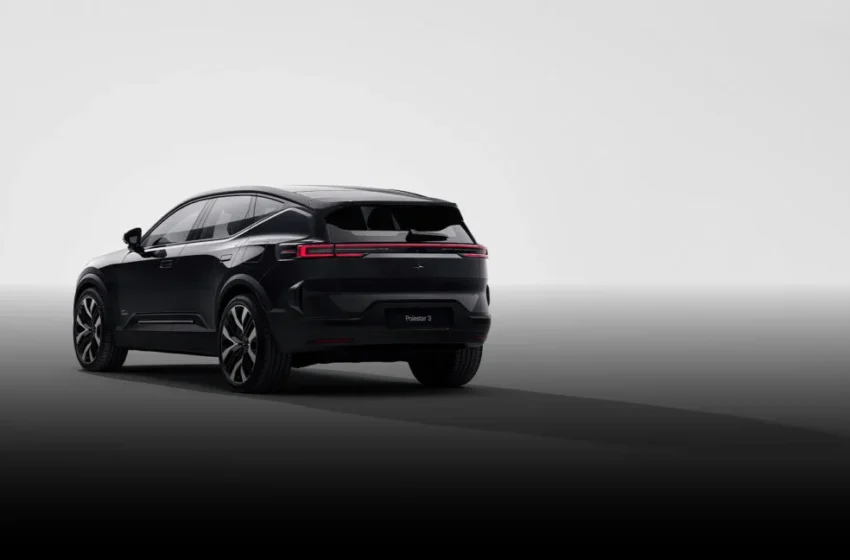
For Polestar, the immediate impact is devastating. Future models like the Polestar 5 sedan and the Polestar 6 roadster, designed for a global premium market, will not reach US shores. The company will continue to sell its existing stock of Polestar 3 and Polestar 4 SUVs and support current customers, but the writing is on the wall for its long-term US presence. This isn’t just about a niche EV brand; it’s a potent signal to every automaker with international ties. Consider European brands that have sought Chinese investment for growth, or even US manufacturers with extensive overseas manufacturing operations—where do they stand?
The US government’s incentive here appears less about forensic cybersecurity auditing and more about a brute-force approach to domestic industrial protectionism, thinly disguised as national security. By making an example of Polestar, Washington aims to push automakers to re-evaluate their entire global EV supply chains and manufacturing footprints, nudging them towards an onshore or “friend-shoring” strategy. This benefits American automakers by limiting certain forms of competition and forcing global players to rethink their US market entry strategies, but it comes at a cost.
This regulatory ambiguity fosters deep market uncertainty for any automotive manufacturer with complex international structures. Companies are now faced with a unpredictable landscape where investment decisions, factory locations, and strategic alliances could be unilaterally invalidated by a vague definition of “links” to a specific country. This creates a chilling effect, deterring foreign direct investment and making long-term planning an exercise in guessing Washington’s next move rather than responding to market demands.
The Unintended Consequences of Selectivity
The notion that the US can dictate global automotive partnerships without significant repercussions is naive. While the immediate focus is on the US market, Geely, as Polestar’s ultimate parent, is a formidable player in the global automotive sector. This ban may push Geely to intensify its focus on other lucrative markets in Europe and Asia, potentially accelerating the development of innovative EV technologies elsewhere, reducing US influence in critical areas of the industry. It’s a strategic misstep that could isolate the US from a segment of global innovation it claims to champion.
Beyond the geopolitical chess game, American consumers are the ultimate losers. Less competition in the premium EV segment means fewer choices and potentially higher prices. The promise of a diverse and competitive electric vehicle market is undermined by what appears to be a politically motivated decision, rather than a clear-eyed assessment of technological risk. The stated goal is supply chain security, yet the inconsistent application undermines confidence in the very regulatory framework designed to provide it.
The US risks projecting an image of unpredictable regulatory capriciousness rather than strategic clarity. If the US government genuinely seeks to de-risk its supply chains and secure its connected infrastructure, it must establish transparent, consistent criteria that apply equally to all players, regardless of their branding or perceived political leverage. Anything less creates an environment of distrust and confusion, ultimately harming its own industrial ambitions and global standing.
