
US Home Battery Boom: A Bet Against the Grid, Not For It
- Electric Mobility
Arjun Vedanta
- 0
- 5 minutes read
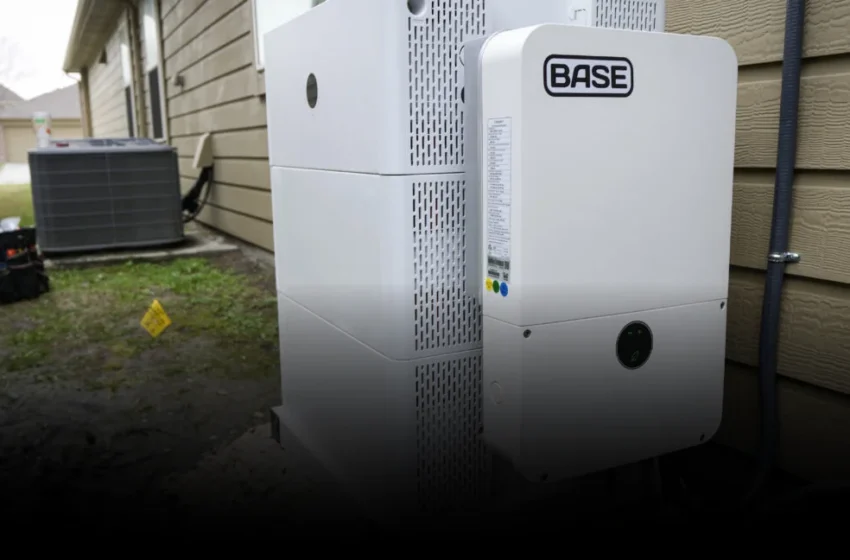
The Homeowner’s Gambit: Autonomy Over Altruism
The record surge in US home battery installations isn’t primarily a story about utilities finally achieving grid flexibility or a proactive response to the ravenous power demands of emerging AI data centers. It is, fundamentally, an escalating narrative of homeowner self-preservation — a direct response to an increasingly unreliable and expensive centralized energy infrastructure.
In the first quarter of 2026, the US Energy Information Administration reported a staggering 673 megawatts of new residential energy storage capacity, a figure that underscores a profound shift. This isn’t a marginal uptick; it’s an acceleration, concentrated heavily in regions like California and Hawaii, with significant growth in Texas and Arizona. These are not coincidences. These are states grappling with the blunt reality of soaring electricity costs and, in some cases, grids stressed by extreme weather or aging infrastructure.
The decision to install a home battery is less a philanthropic gesture towards grid stability and more a calculated, urgent hedge against escalating utility bills and intermittent power. Homeowners, having often already embraced rooftop solar, are now completing their personal energy ecosystems. They want to store their own power, use it when the grid is most expensive, or when it inevitably falters. This move towards distributed generation is less about helping the utility and more about bypassing its shortcomings entirely.
The Convenient Fiction of ‘Flexible Supply’
The accompanying narrative, often echoed in industry statements, suggests these residential batteries could “unlock a more flexible energy supply for power grid operators and even AI data centers.” While theoretically plausible in a highly optimized, fully integrated system, this framing serves a clear purpose for specific players, effectively glossing over the underlying problems it purports to solve.
For utilities, promoting residential storage as a contributor to grid flexibility allows them to externalize part of the reliability burden onto consumers. It shifts the focus from their own chronic underinvestment in grid modernization and capacity upgrades to a picture of collaborative, decentralized solutions. Who benefits from this framing? The utilities, by deferring significant capital expenditure, and the emerging AI industry, which, rather than facing the stark reality of its unprecedented energy footprint, can point to a distributed network of household batteries as a potential, albeit vague, mitigation strategy. It’s an incentive to present homeowner autonomy as grid support, rather than a direct challenge to the traditional utility monopoly.
The operational challenges of aggregating millions of disparate household battery systems into a cohesive, responsive demand response network are immense. Each installation has varying charge cycles, usage patterns, and homeowner preferences. To simply label this burgeoning trend as ‘flexible supply’ for data centers needing constant, massive power is to stretch credulity. It’s a hopeful ambition at best, a convenient narrative at worst, designed to temper concerns about a centralized grid struggling to keep pace with evolving energy demands, particularly those from energy-intensive sectors like artificial intelligence.
Eroding the Centralized Power Model
This residential battery boom signals a deeper, structural implication for the future of energy: the gradual erosion of the century-old centralized power model. Homeowners are not simply adopting a new gadget; they are opting out of aspects of the traditional system, piece by painful piece.
What we’re witnessing is not just an adjunct to the existing grid, but the nascent stages of a truly parallel energy economy. This isn’t about altruism for the power grid; it’s about a direct investment in personal energy independence and resilience. For states that pioneered rooftop solar adoption, the battery is the logical, inevitable next step, completing the cycle of self-sufficiency. As electricity costs climb and grid reliability wavers, the economic case for self-generation and storage becomes undeniable for a growing segment of the population.
The long-term consequence isn’t merely the decarbonization benefit, though that is a welcome byproduct. It’s the pressure this distributed model places on traditional utility business models. The incentive structures that have governed power generation and distribution for decades are now being challenged from the bottom up, by individual households voting with their wallets and their roofs. The question is no longer if utilities will adapt, but how quickly they can redefine their role from monopolistic suppliers to orchestrators of a truly decentralized energy future, before more customers simply decide to go it alone.
