
US Rare Earths: Billions Spent, Foreign Factories Reap the Rewards
- Tech
Arjun Vedanta
- 0
- 4 minutes read
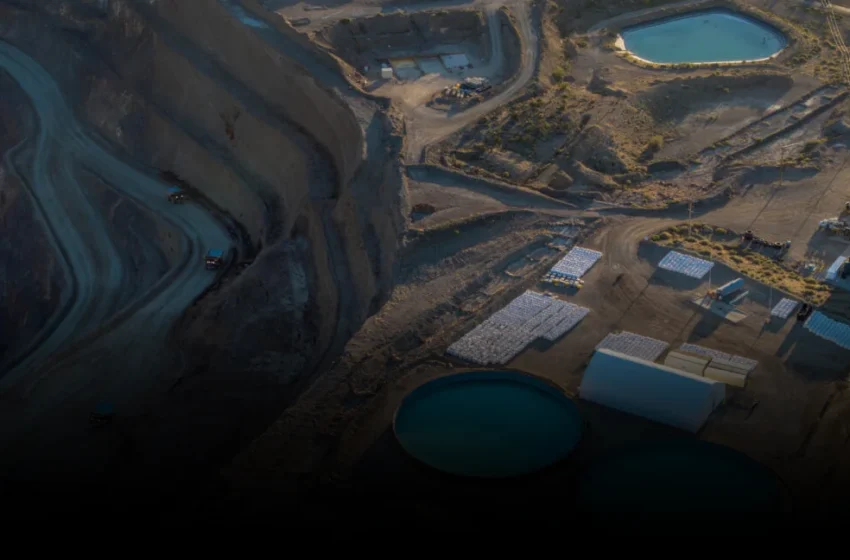
The United States is spending billions to secure its rare earth supply, yet the output from these taxpayer-backed ventures is flowing directly to manufacturers in Asia. This isn’t merely an inefficient market dynamic; it reveals a profound and unaddressed disconnect in Washington’s strategy for critical mineral independence. We’ve built the wells but forgot to construct the pipes and the factories that actually use the water, essentially subsidizing foreign industrial strength under the guise of domestic security.
The Half-Built Wall of US Supply Security
For years, the drumbeat from Washington has been clear: China’s near-monopoly on rare earths poses an unacceptable national security risk. The Trump administration, in particular, galvanized efforts to onshore the supply chain for these vital metals, used in everything from advanced weaponry to electric vehicle batteries. This urgency translated into significant government support for companies like MP Materials, Energy Fuels, and Phoenix Tailings, aimed at developing US-based extraction and processing capabilities.
The investments have yielded results, at least at the initial stages of the supply chain. Rare earth products are now being produced on American soil. However, the critical next step—converting these processed materials into high-value components like permanent magnets—remains largely absent domestically. Consequently, these US-sourced rare earths are currently being sold to countries like Japan and South Korea, where robust manufacturing ecosystems can readily absorb and utilize them.
The stated goal was to break China’s “lock” on global supplies, not to simply reroute the raw materials to other Asian nations. This isn’t a secure supply chain; it’s an expensive, circuitous procurement process that leaves the US reliant on third parties for crucial downstream production. The irony is palpable: American taxpayers are funding the inputs for foreign industrial power.
Missing the Middle: Where Domestic Demand Falters
The core problem isn’t a lack of rare earths in the ground or the inability to process them. It’s the gaping chasm in the middle of the value chain, specifically the manufacturing capacity for permanent magnets. These magnets are indispensable for advanced applications, from propulsion systems in modern fighter jets to the motors powering electric vehicles.
The original article notes that the scale of magnet manufacturing in Asia “remains larger than the nascent production in the US.” This understatement masks a fundamental failure of integrated industrial policy. Securing raw materials is only one-third of the equation; refining them is another. But without a vibrant domestic industry to transform these refined materials into finished components, the entire endeavor feels strategically adrift. The incentive structure has overwhelmingly favored the high-profile, shovel-ready projects of mining and initial processing, creating visible “wins” for political narratives, rather than fostering the far more complex, capital-intensive, and long-gestating manufacturing plants needed downstream.
This oversight echoes past industrial missteps in areas like semiconductor fabrication, where a focus on design leadership masked a growing reliance on overseas foundries. For rare earths, the consequence is similar: we secure the feedstock but remain strategically dependent on others to make anything useful out of it. It’s a critical minerals strategy that, in practice, amounts to little more than a raw material export program.
The Geopolitical Cost of Half-Measures
If the ultimate aim is national security and strategic autonomy, simply producing rare earths in the US only to export them to allied nations for manufacturing falls short. While collaboration with partners like Japan and South Korea is vital, the original concern was a single point of failure in the global supply chain, namely China. By failing to build out comprehensive domestic capabilities, the US risks creating a new, albeit more diversified, point of reliance on its allies, rather than true self-sufficiency.
A genuinely resilient national supply chain for rare earths would entail coordinated investments across the entire value stream: from extraction and refining to advanced material science, alloying, permanent magnet manufacturing, and finally, integration into finished products like EV batteries and defense systems. This requires more than just industrial policy; it demands a coherent industrial strategy that bridges government funding with private sector incentives for long-term domestic capital investment. Without it, these billions of dollars, however well-intentioned, are largely funding a geopolitical relinquishment, trading one form of dependence for another, more expensive kind.
