
Verstappen’s Kart Race: Red Bull’s Stealthy Shift in Sports Entertainment
- Tech
Arjun Vedanta
- 0
- 4 minutes read
Beyond the Track: Red Bull’s Content Play
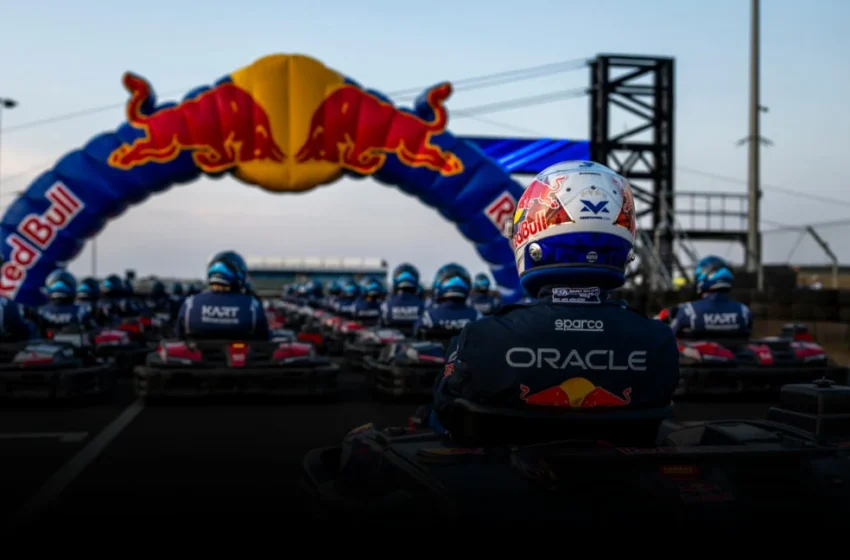
Today, Max Verstappen, a four-time Formula 1 world champion, is slated to race 100 karts at Silverstone. This isn’t just a quirky exhibition for a motorsport enthusiast; it is a calculated activation in Red Bull’s aggressive strategy to redefine athlete branding and content distribution.
While US-centric tech media often fixates on streaming wars or the latest AI hype, they often miss the subtle, yet powerful, shifts in global sports marketing. This event, starring a universally recognized talent like Verstappen, illustrates a fundamental reshaping of how elite athletes are leveraged beyond their core sport.
It’s no longer just about sponsorships and broadcast rights; it’s about owning the entire content ecosystem. Red Bull, with its extensive media arm, isn’t merely an energy drink company; it’s a lifestyle brand built on extreme sports, adventure, and the aspiration for peak performance.
The Evolving Athlete: Brand Builder vs. Racer
The premise of Verstappen, who normally pilots multi-million-dollar F1 machinery, tackling 100 amateur karters in 30 laps is inherently viral. It’s a spectacle designed for short-form video, for TikTok, Instagram Reels, and YouTube Shorts, not necessarily for traditional long-form television. This deliberate choice points to a deeper understanding of contemporary fan engagement, particularly among younger demographics less tethered to linear broadcasting.
Red Bull has carefully cultivated Verstappen’s image beyond the sterile confines of the F1 paddock. His participation reinforces a brand narrative of daring challenges and approachable greatness, attributes that resonate far beyond the racing circuit. This isn’t just a driver racing; it’s a content creator generating prime material for the global digital economy.
One must question whether the competitive integrity of such a manufactured event truly matters, or if the sheer volume of generated impressions is the sole metric of success. This event isn’t purely about racing prowess; it’s about amplifying a narrative.
Other F1 drivers, like Alex Albon and Oliver Bearman, have engaged in smaller, similar stunts, but none carry the marketing weight or the sheer production value of a Red Bull-orchestrated Verstappen challenge. The scale of 100 competitors, sourced from Eastern Europe, points to a logistical and budgetary commitment far exceeding a simple promotional activity.
Data, Dollars, and the Global Fan
The underlying incentive for Red Bull is clear: extend its global reach and deepen its engagement with fan bases who might not tune into every Grand Prix. By transforming Verstappen from a racer into a performer in a digitally native event, Red Bull gathers invaluable data on content consumption, audience demographics, and viral distribution patterns.
This event is a masterclass in how a brand can monetize its star athletes outside traditional sports contracts, bypassing intermediaries to directly capture audience attention. It suggests a future where sporting heroes are as much content IP as they are competitive assets, a crucial distinction often overlooked by legacy sports organizations.
The shift is evident in adjacent sectors as well; from esports tournaments streamed live to millions, to athlete-owned media companies generating their own documentaries and behind-the-scenes content. Red Bull is simply ahead of the curve, applying these lessons to a global motorsport icon.
This isn’t a one-off stunt; it’s a template. Expect more high-profile athletes across various sports to participate in bespoke, content-first events designed to bypass traditional media gatekeepers. The long-term implication is a decentralization of sports entertainment, where brands like Red Bull become de facto media conglomerates, shaping not just how we consume sports, but what sports we consume, and why.
Ultimately, the objective is not merely to win a kart race, but to win the global attention economy. And in that race, Verstappen is just one of Red Bull’s most potent engines.
