
Virgin Galactic’s Naming Stunt Exposes Suborbital Tourism’s Branding Gap
- Space
Arjun Vedanta
- 0
- 4 minutes read
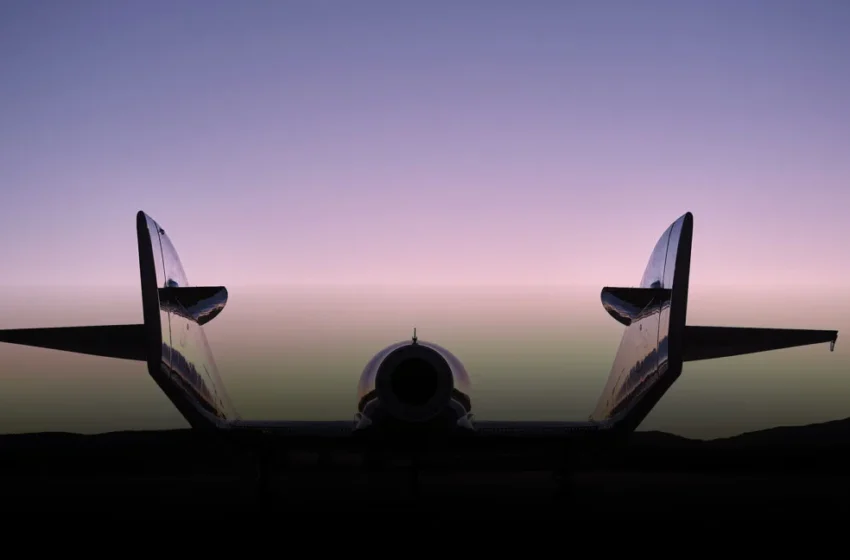
The Populist Mask on an Exclusive Dream
Virgin Galactic’s latest public relations gambit, asking the internet to name its new Delta-class spaceship, offers a revealing glimpse into the persistent marketing challenge faced by suborbital space tourism. The company, founded by British tycoon Richard Branson, frames this vote as a chance to “shape a piece of spaceflight history,” yet this populist appeal rings hollow against the backdrop of a service only the ultra-wealthy can access.
This is not about genuinely democratizing space; it’s about generating accessible brand buzz for an inaccessible product. The move is a transparent effort to inject a dose of public goodwill into a venture that has, for years, struggled with operational delays, safety concerns, and the fundamental question of market viability beyond its initial novelty. The company’s SpaceShipTwo fleet, which carried Branson and 31 other passengers on 12 brief hops above the Karman line, has yet to prove a consistent, profitable model.
The Enduring Disconnect in Commercial Spaceflight
For more than a decade, the promise of commercial spaceflight has been just that—a promise. Virgin Galactic’s public plea for a name for its next-generation Delta-class vehicle on August 11, coming as it nears christening, highlights a strategic disconnect. While rivals like Blue Origin, with its New Shepard program, maintain a more discreet, engineering-focused posture, Virgin Galactic consistently leans into spectacle and public participation.
The incentive here is clear: to distract from the hard realities of high operational costs and limited flight cadence. A public naming contest costs virtually nothing but can generate significant media mentions, positioning the company as an innovative, engaging entity rather than a luxury travel provider with a checkered past. This framing helps obscure the fact that despite the fanfare, the actual service remains a niche experience for a tiny fraction of the global population, far removed from the everyday consumer engagement the contest implies.
The irony is palpable: the very people being asked to name this vessel will almost certainly never set foot inside it, let alone experience the few minutes of weightlessness it offers. This isn’t community engagement; it’s performative populism for a product with a six-figure price tag. It attempts to cultivate an aspirational connection without offering any actual access, a marketing strategy that feels increasingly out of step with an industry that needs to demonstrate tangible progress, not just PR stunts.
Beyond the Bluster: Realities of Suborbital Operations
Beneath the veneer of public participation lies the serious business of scaling suborbital space tourism. The Delta-class represents Virgin Galactic’s bet on a higher flight rate and improved economics, a critical pivot after years of limited operations. Yet, the challenges are immense, from regulatory hurdles and maintenance schedules to ensuring a robust pipeline of high-net-worth clients.
While the company seeks a catchy name, the market is asking for consistent service, predictable scheduling, and a clear path to profitability. The public relations around a new spaceship’s christening often overshadows the engineering prowess and logistical complexity required for safe, repeatable spaceflight. This is where Silicon Valley reporters often miss the beat; they celebrate the splashy announcement, while those of us tracking the industry from outside the bubble see a company still fighting to define its commercial trajectory against formidable technical and economic headwinds.
Virgin Galactic is essentially trying to sell the dream of space travel to the masses through a naming contest, while simultaneously selling actual space travel only to the elite. The success of commercial spaceflight, particularly in the suborbital realm, will ultimately hinge not on a clever moniker chosen by online ballot, but on reliable flight schedules, stringent safety, and a sustainable business model—elements far more difficult to crowdsource than a name.
