
When Expertise Crashes: The Silent Threat to Digital Governance
- Special
Arjun Vedanta
- 0
- 4 minutes read
The Erosion of Expertise in Digital Governance
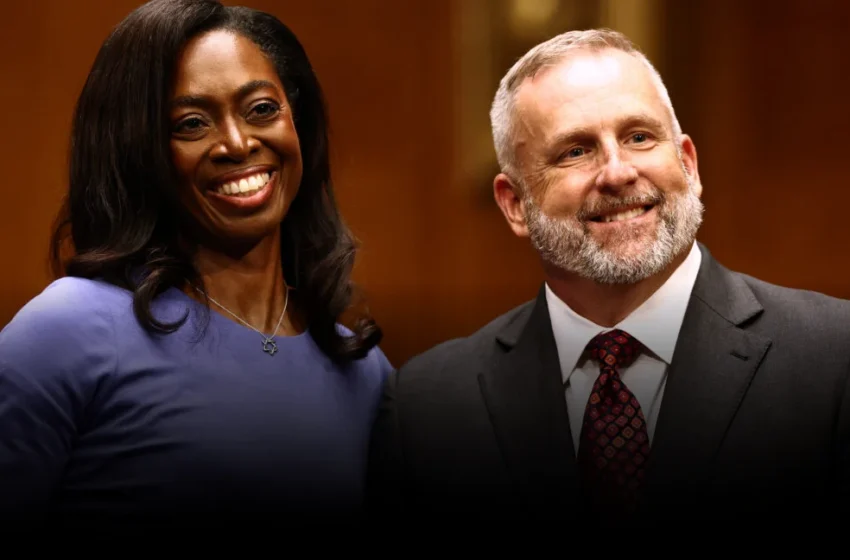
The immediate headline about two highly qualified health nominees crashing out of Senate hearings tells a story less about individual failures and more about a systemic breakdown in the valuation of expertise. Dr. Erica Schwartz, with her medical, public health, and law degrees, a decorated career in military medicine, and experience as a deputy surgeon general, was precisely the kind of candidate one might expect to lead the Centers for Disease Control and Prevention. Her rejection, alongside Sean Kaufman for a critical preparedness role, isn’t a simple political spat; it’s a stark indicator of a deeper, troubling trend where institutional integrity is increasingly secondary to ideological alignment.
For observers outside the Beltway echo chamber, especially those tracking global digital governance and the integrity of public information ecosystems, this episode resonates far beyond public health. The clash between Schwartz’s evidence-based approach and Health Secretary Robert F. Kennedy Jr.’s anti-vaccine stance perfectly illustrates a fundamental contradiction. We live in an era where data-driven policy is touted as essential, yet the mechanisms for appointing leaders to critical scientific agencies appear to actively filter for political conformity over scientific consensus. This isn’t merely a political preference; it’s an active undermining of the very foundations of technocratic leadership.
When Ideology Trumps Data: A Global Perspective
In countless boardrooms and policy forums from Singapore to Geneva, discussions center on leveraging advanced analytics and artificial intelligence to inform governmental decisions, from urban planning to healthcare delivery. The implicit assumption is always that expertise and data will guide policy. Yet, the D.C. spectacle of nominees with impeccable credentials being dismissed—especially one known to champion vaccinations—for roles in organizations like the CDC, exposes a widening chasm. This isn’t just about healthcare; it’s about the broader capacity of nations to respond to complex challenges, whether pandemics or cyber threats, when the leadership entrusted with those challenges is ideologically compromised from the outset.
Consider the incentives here: why would an administration knowingly alienate highly qualified professionals? The current administration’s framing benefits from appointing individuals who reinforce a specific narrative, even if it means sacrificing established expertise. This signals loyalty above all else, consolidating political power and maintaining ideological purity. It’s a short-term political gain that exacts a heavy long-term toll on national resilience and public trust.
The Fragility of Public Trust in the Age of Misinformation
The genuine impact of such events isn’t just on the individuals involved or the immediate policy void. It’s the incremental erosion of public trust in institutions, a critical resource in the digital age. When the public sees leaders appointed to scientific bodies whose views directly contradict widely accepted scientific principles, it fuels skepticism and provides fertile ground for misinformation to flourish. This isn’t an abstract concern; it has tangible consequences for the adoption of crucial health initiatives and the overall stability of public discourse. The true irony here is not that qualified individuals fail political vetting, but that the public is expected to trust institutions whose leadership is openly at odds with their stated mission and scientific consensus.
The incident reminds us that effective digital governance isn’t just about building robust technological infrastructure; it’s about fostering an environment where facts and expertise are privileged. When the gatekeepers of public health knowledge are chosen for their adherence to political dogma rather than their scientific rigor, the entire system becomes vulnerable. It is a cautionary tale for any nation striving to build resilient public services in an increasingly complex and interconnected world, where the truth can be as fragile as a politician’s conviction.
